



Vintage Silk Ikat
These vintage silk ikat pieces bring Central Asian colour and traditional Uzbek patterns straight into your home.
Vintage Silk Ikat
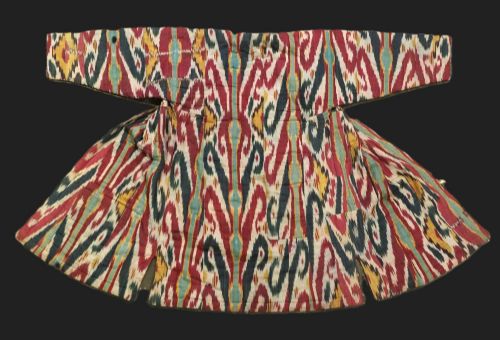
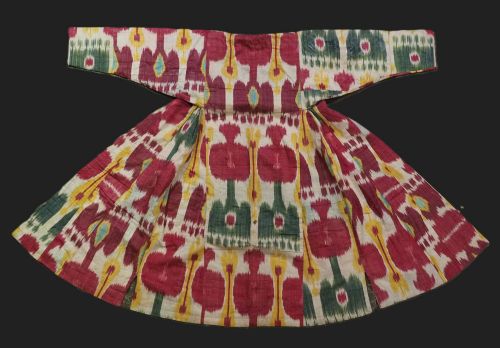
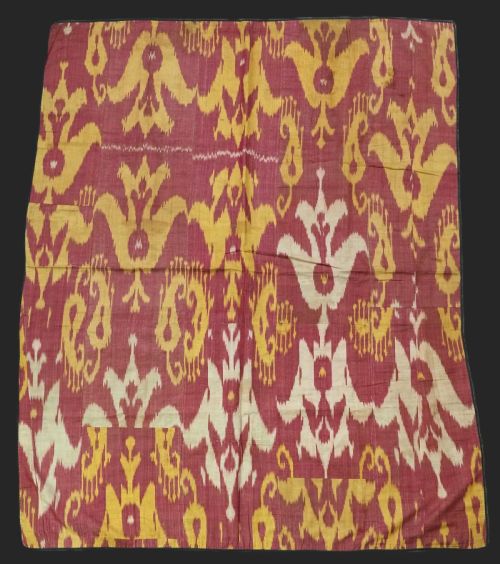
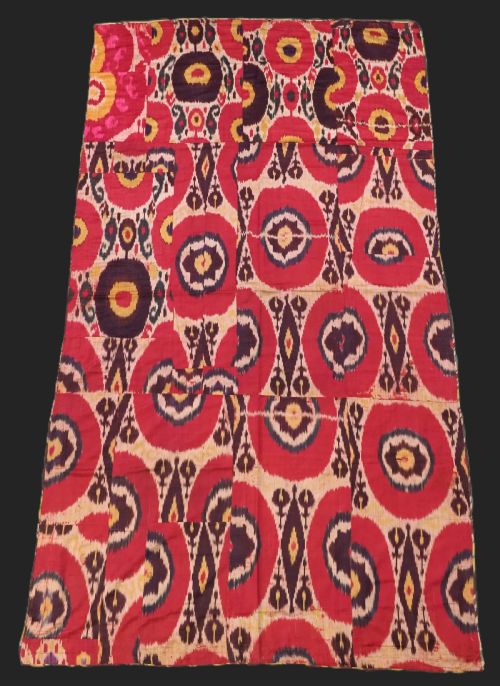
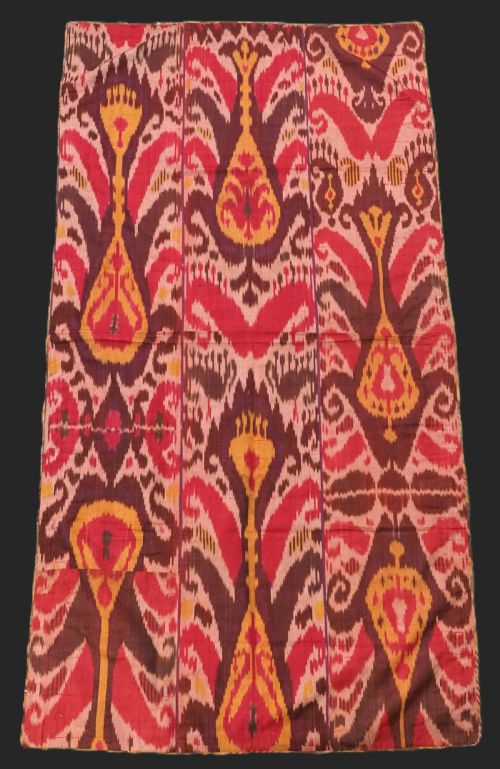
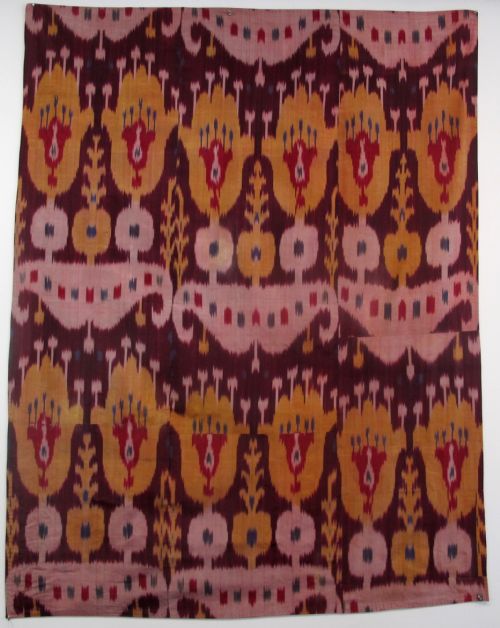
When you search for vintage silk ikat, you find remarkable textiles originating from Uzbekistan, particularly regions like Bukhara and Samarkand. These items range from large fabric panels and wall hangings to gentleman's coats known as khalats or chapans, alongside smaller accessories such as purses. You are most likely to meet panels and robes dating from the late nineteenth century, specifically around eighteen eighty to nineteen hundred.
The panels showcase intricate patterns formed through resist-dyeing the threads before weaving, producing characteristic blurred edges along the motifs. Coats like the chapan are often quilted and padded for winter use, reflecting practical domestic life alongside decorative artistry. Smaller items like purses demonstrate how these striking fabrics were repurposed into everyday accessories.
Materials and construction methods
The textiles rely heavily on silk and cotton combinations, frequently incorporating semi-silk adras weaves where silk warps meet cotton wefts. Artisans bind and dye the warp threads meticulously before mounting them on traditional looms to create the iconic patterns.
Garments and panels frequently feature intricate stitching, with some coats employing quilting and padding techniques to ensure warmth and structure. Occasional additions like glass beads further embellish the constructed items, adding texture to the surface design.
Vintage Silk Ikat Retail Price Guide 2026
Typical asking prices for vintage silk ikat among the pieces listed under this phrase on Sellingantiques today, from the lower quarter to the upper quarter. They describe what is for sale here now, not the wider market.
Current listings feature materials such as silk, cotton, and glass beads across nineteenth-century Central Asian items.
Evaluating quality in ikat textiles
Quality depends upon the complexity of the dye work and the precision of the resist patterns before weaving. Finer pieces display sharper alignment in the design and richer saturation across the silk threads.
The density of the weave and the condition of the fabric heavily influence the overall standard of each panel or coat. Surviving garments with intact quilted linings and well-preserved structural integrity represent higher tiers of craftsmanship.
The Vintage Silk Ikat Glossary
- Ikat
- A dyeing technique where warp or weft threads are tie-dyed before weaving to create intricate, slightly blurred pattern edges. This method requires immense skill from the weaver to maintain design clarity.
- Adras
- A traditional semi-silk fabric combining a silk warp with a cotton weft. This material offers both the lustrous sheen of silk and the practical durability of cotton.
- Chapan
- A heavily padded and quilted coat designed for winter use in Central Asia. They provide warmth while displaying elaborate exterior patterns.
- Bukhara
- A historic region in Uzbekistan renowned for producing exceptional textile panels and garments. Items originating here often exhibit distinct regional motifs and superior weaving techniques.
Vintage Silk Ikat: Frequently Asked Questions
How were ikat coats worn?
Gentlemen wore garments like the khalat and chapan as outer robes over everyday clothing. Their loose cuts provided comfort in various climates.
Heavier versions featuring quilting offered necessary insulation during cold winters. These coats served both practical warmth and social status functions.
How should I display a silk ikat panel?
Many collectors mount fabric panels flat on supportive backings for wall display. This method protects the fragile silk fibres from stretching under their own weight.
Keep displayed textiles away from direct sunlight to prevent fading of the natural dyes. Gentle framing behind UV-resistant glass ensures long-term preservation.
How do I identify a Becasab fabric?
Becasab typically refers to a specific type of fabric construction featuring distinct stripe patterns combined with ikat motifs. These textiles often appear in nineteenth-century gentleman's coats from the Bukhara region.
Examining the weave structure reveals the characteristic alternation of threads. Such textiles highlight the diverse techniques utilised by Central Asian weavers.
Are smaller items made from leftover fabric?
Purses and smaller accessories were frequently fashioned from remnant lengths of valuable ikat textiles. This practice ensured that no portion of the expensive dyed silk went to waste.
These functional items often display the same intricate patterns as larger wall panels. They provide an accessible way to collect nineteenth-century textile art.