

Vintage Side Table Light
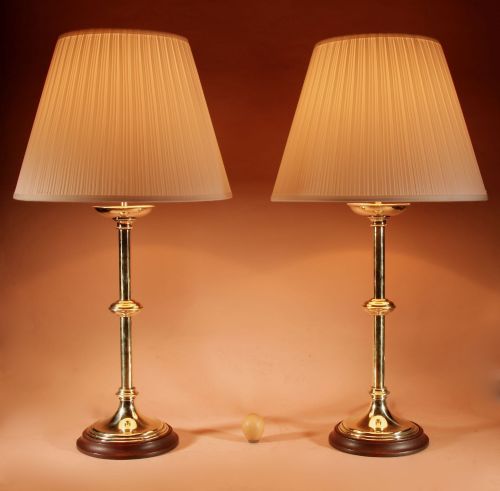
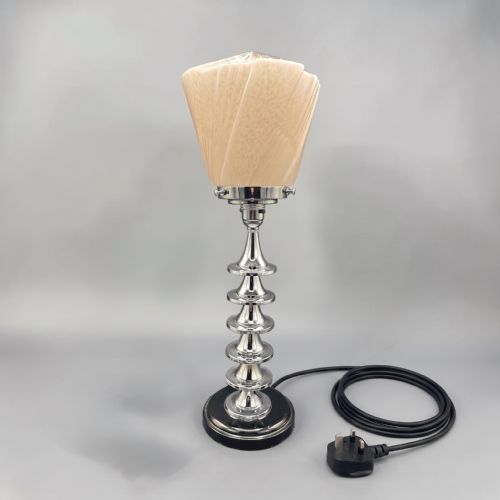
These vintage side table light options combine functional illumination with practical surfaces, drawing from styles spanning the Victorian era through the Art Deco period.
Vintage Side Table Light
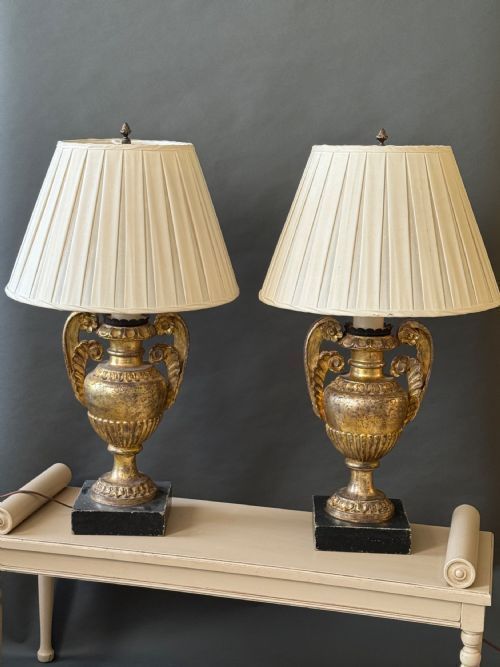
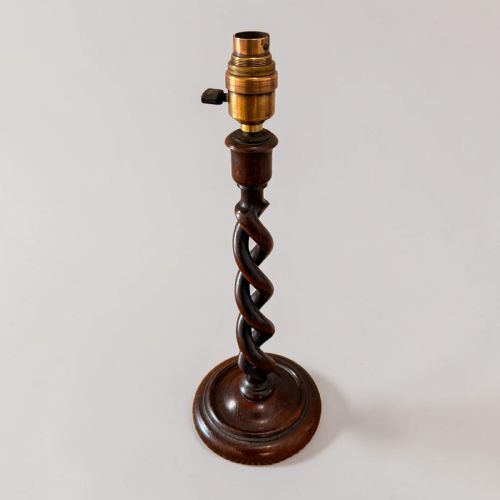
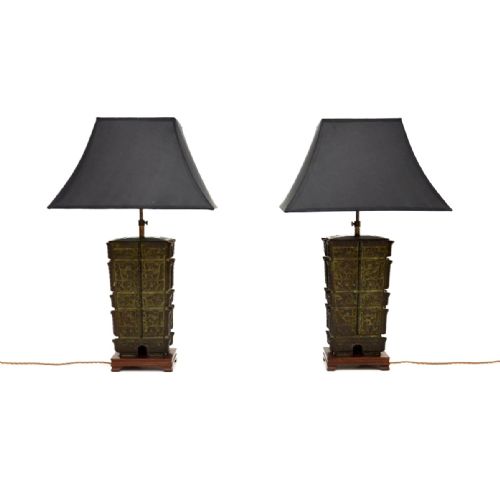
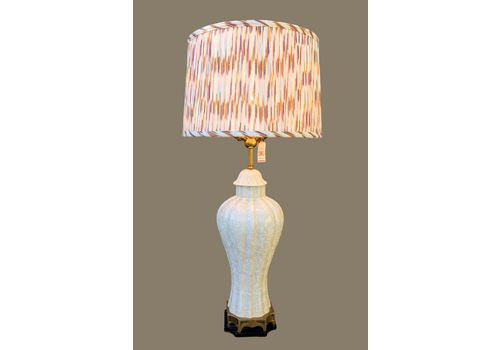
A search for vintage side table light yields a dual category of items, encompassing both dedicated lamps and small tables equipped for lighting. The pieces on this page bridge domestic utility and period design, originating from the 19th Century, Edwardian era, and the 1920s and 1930s. Buyers will find items ranging from standard table lamps to floor lamps integrated with tiered tables.
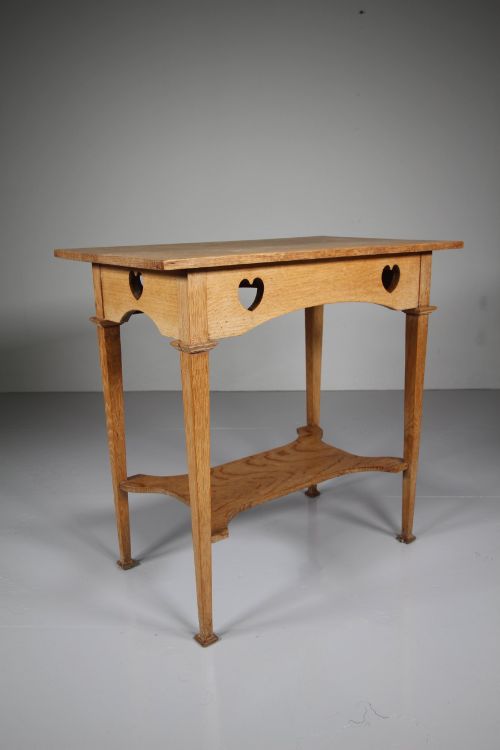
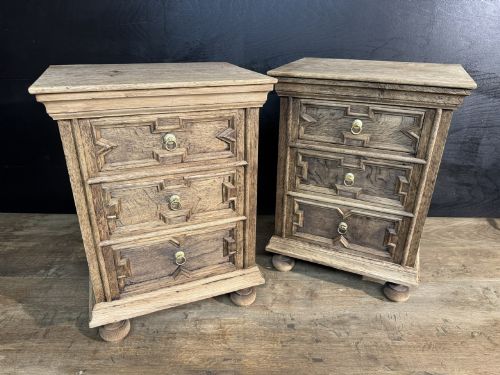
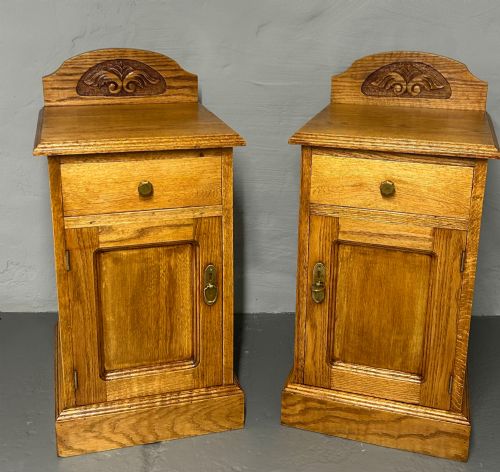
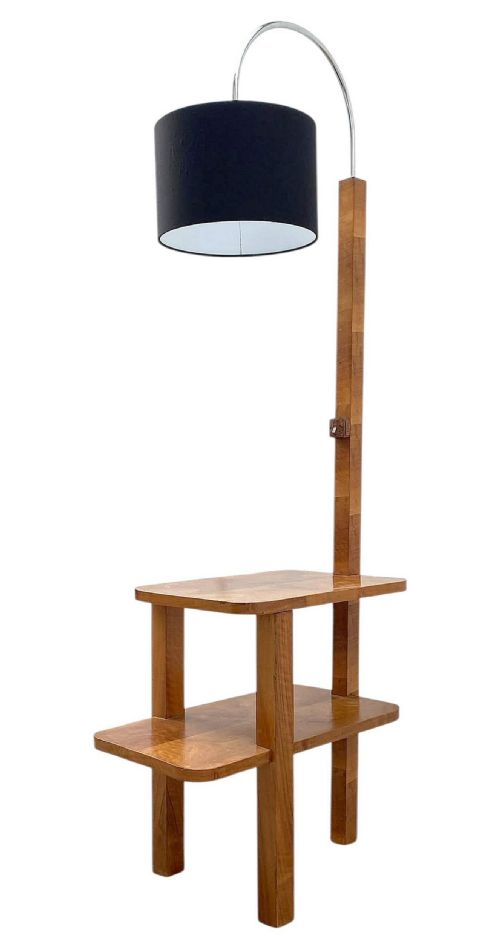
The most common configurations include brass and gilt bronze table lamps alongside oak or mahogany side tables and bedside cabinets. Certain listings combine these functions directly, such as modernist walnut floor lamps featuring built-in two-tier tables from the 1930s. Other examples pair traditional lighting elements with small tables designed for domestic sitting rooms and bedrooms.
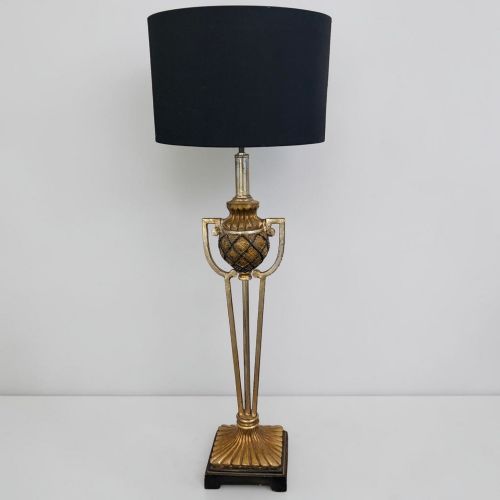
Stylistic influences vary extensively across the inventory, reflecting historic revival movements alongside modernist aesthetics. Pieces emerge in Neoclassical, Jacobean Revival, and French Rococo Revival modes, as well as distinct Art Deco designs. This variety allows collectors to match specific historical periods to their interior spaces.
Materials and construction
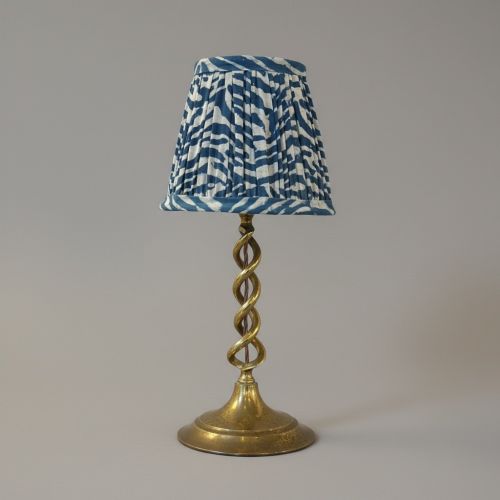
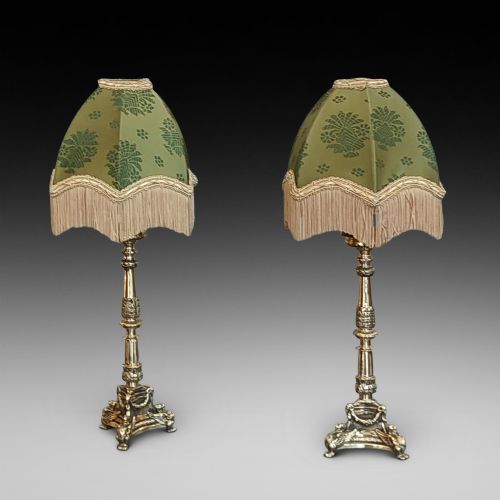
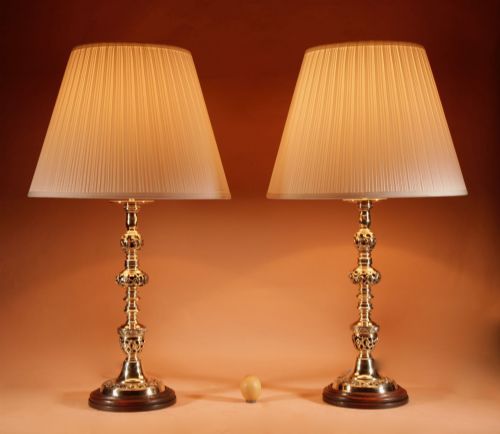
Metalwork forms a primary component of these lighting pieces, with brass, gilt bronze, and silver plating utilised across columns, candlesticks, and figurative bases. Manufacturers employed casting techniques, openwork ajour designs, and Corinthian column structures to shape the metal components. Many of these metal items represent former candlesticks or candelabra later converted to accept electrical fittings.
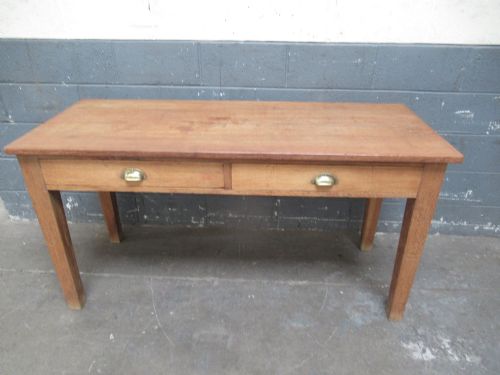
Timber construction defines the accompanying table forms, utilising solid oak, mahogany, walnut, and elm. Cabinetmakers built bedside chests, work tables, and console tables using traditional joinery methods suited to the early 20th Century and earlier eras. Fabric shades and mottled glass elements, including pieces in the style of Charles Schneider, complete the upper sections of the lighting fixtures.
Vintage Side Table Light Retail Price Guide 2026
Typical asking prices for vintage side table light among the pieces listed under this phrase on Sellingantiques today, from the lower quarter to the upper quarter. They describe what is for sale here now, not the wider market.
Listings span the Victorian era, Edwardian period, and the 1920s and 1930s, utilising brass, oak, mahogany, and marble.
Factors of distinction
The distinction between standard examples and superior pieces rests upon the integrity of the materials and the refinement of the decorative detail. Heavier cast bronzes and finely detailed openwork brass provide a tactile weight and precision absent in mass-produced alternatives. Similarly, furniture items constructed from selected oak, walnut, or elm with careful attention to grain and joinery distinguish themselves from utilitarian builds.
Artistic attribution and stylistic consistency further elevate certain items within the broader category. Pieces bearing distinct design movements, such as recognizable Art Deco styling or specific historic revivals, demonstrate greater intentionality in their manufacture. The harmony between the lighting fixture and the table base in combined pieces dictates the overall coherence of the design.
Fortnum and Mason·Charles Schneider·E Rousseau
The Vintage Side Table Light Glossary
- Art Deco
- A design style prevalent in the 1920s and 1930s characterised by streamlined geometric forms and modern materials. This aesthetic appears frequently in the lamps and console tables of the period.
- Corinthian Column
- An architectural order featuring an ornate capital decorated with acanthus leaves. This motif was commonly adapted for brass and silver plated table lamps during the Victorian and Edwardian eras.
- Jacobean Revival
- A style popular in the early 20th Century that emulates 17th-century English furniture design. Pieces in this mode often utilise solid oak with dark finishes and straightforward rectilinear construction.
- Ajour
- Openwork metal decoration created by piercing or casting intricate patterns. This technique appears on decorative brass table lamps from the early 20th Century.
- Gilt Bronze
- Bronze metal coated with a thin layer of gold or gold-coloured alloy. This material provided a durable, lustrous finish for decorative lighting fixtures and candelabra conversions.
Vintage Side Table Light: Frequently Asked Questions
What is a vintage side table light?
A vintage side table light typically refers to a lighting fixture paired with a small surface, or a floor lamp incorporating a tier or table section. These pieces serve both to illuminate a room and provide a convenient surface next to a chair or bed.
The inventory includes standard table lamps placed on independent surfaces, alongside integrated designs such as wooden floor lamps featuring attached circular tiers. These combinations reflect the multifunctional interior furnishings popular in the early 20th Century.
How do I date a brass table lamp?
Dating a brass table lamp involves examining the casting methods, wiring holes, base construction, and stylistic motifs. Victorian and Edwardian pieces often utilise heavy cast columns and traditional turnings, while 1920s and 1930s examples lean towards geometric or modernist profiles.
Many older lamps were originally manufactured as oil lamps or candlesticks and later converted for electricity. Checking the method of conversion and the patina on the metal surface helps establish the age of the base.
Were these tables and lamps made together?
Some pieces, such as Art Deco walnut floor lamps with built-in two-tier tables, were manufactured as a single integrated unit. Other arrangements pair separate table cabinets and table lamps that share a common period aesthetic or material.
Examining the construction where surfaces meet the vertical support reveals whether a piece was designed as a combination item from the outset. Both integrated furniture and well-matched pairings appear across the available selections.
How do I care for wooden side tables?
Wooden side tables made from oak, mahogany, or walnut require gentle maintenance to preserve their finish and structural integrity. Regular dusting with a soft, dry cloth prevents the accumulation of grit that can scratch the surface.
Avoiding direct sunlight and excessive humidity protects the timber from warping or fading. Applying a microcrystalline wax periodically helps nourish older wood finishes without building up heavy residues.