



Vintage Side Table Handles
Vintage side table handles fasten the drawers and doors of period occasional tables, desks and lowboys, offering tactile character for your interior.
Vintage Side Table Handles
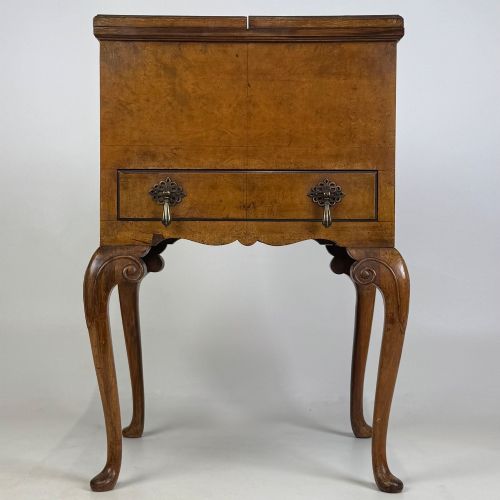
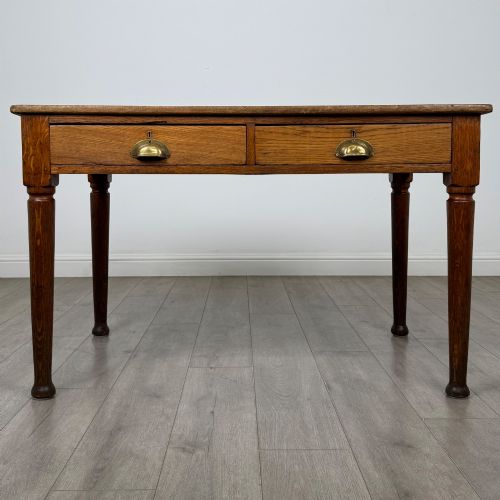
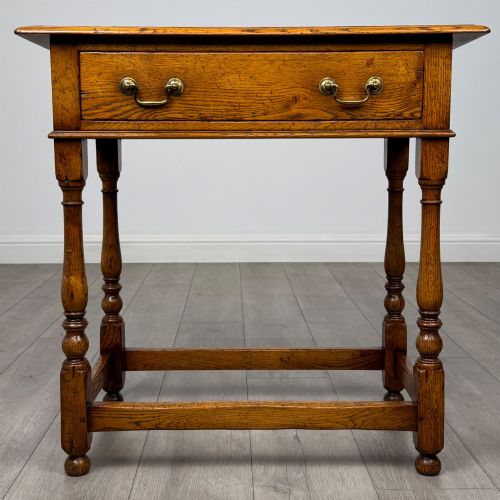
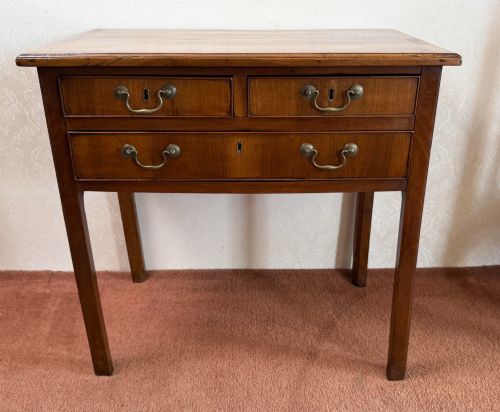
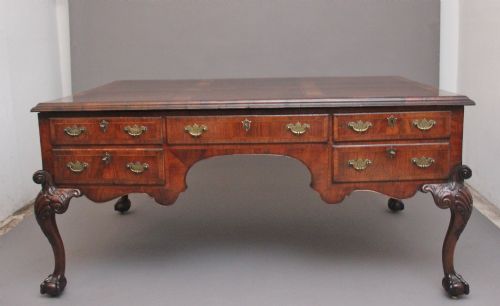
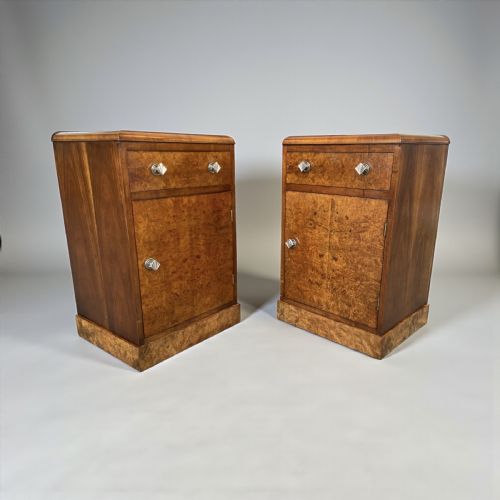
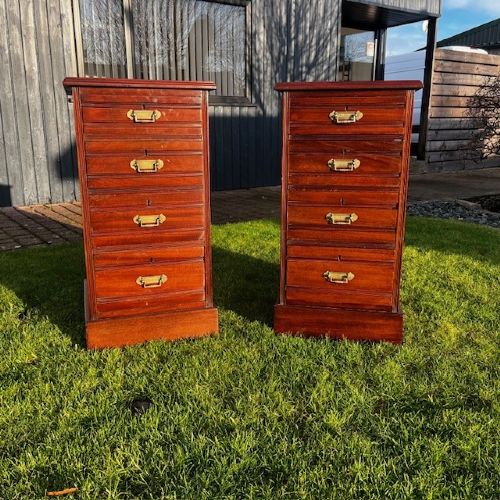
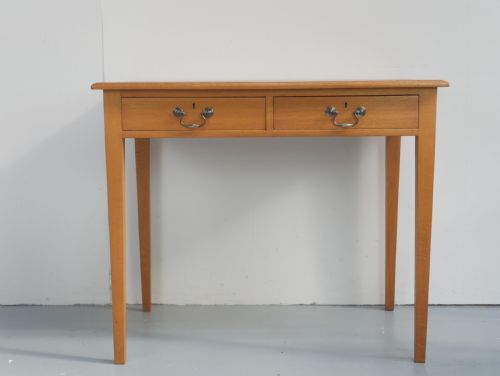
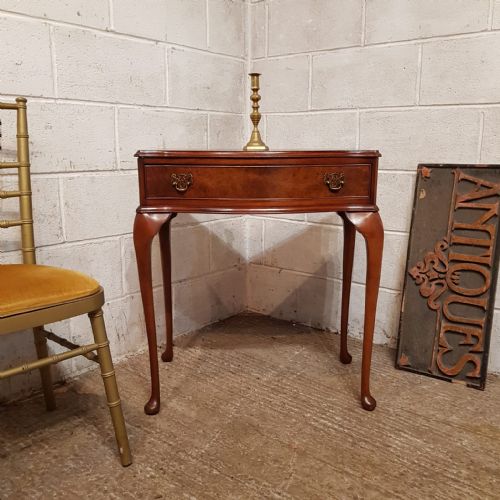
Vintage side table handles belong to furniture pieces spanning the Georgian, Victorian and Edwardian eras, predominantly seen on side tables, writing desks, lowboys and bedside chests. These items range from simple single-drawer oak tables to elaborate burr walnut cabinets and mahogany partners desks.
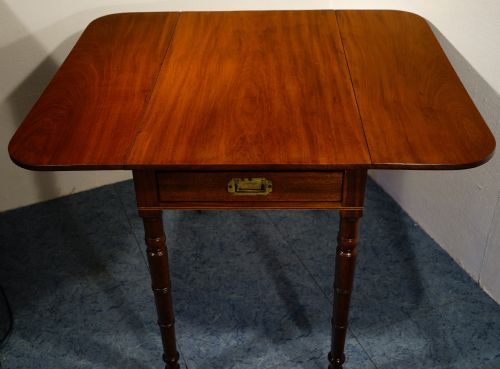
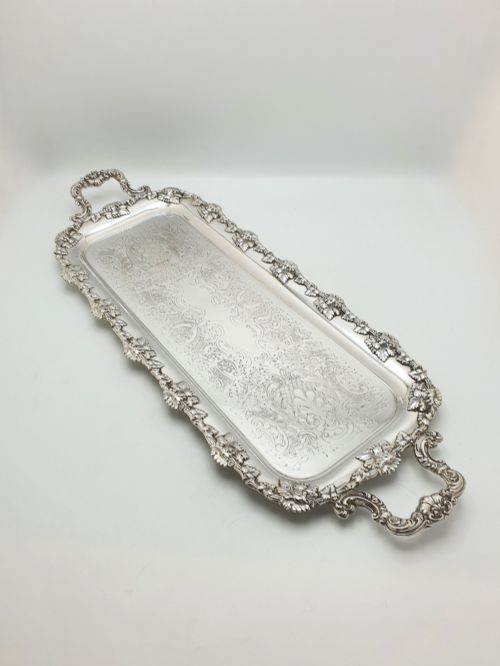
You will encounter pieces reflecting various historical revivals including Sheraton Revival, Georgian Revival and Chippendale Revival styles. The selection also encompasses specialist forms like butlers trays on stands, occasional plant stands and Pembroke tables.
The physical hardware acts as the functional and decorative punctuation for these tables and cabinets, often executed in brass to contrast against darker woods like mahogany, rosewood and walnut.
How they were made
Cabinet makers utilised dense native and exotic timbers such as mahogany, oak, walnut and satinwood, frequently employing veneers like burr walnut or decorative marquetry to enhance the visual grain. Hardware components including handles were cast or stamped in brass, then secured to drawer fronts and cabinet doors.
Construction techniques relied on traditional joinery methods appropriate to the period, from eighteenth-century lowboys to early twentieth-century writing tables. Surface finishes were achieved through hand-applied polishes that highlighted the natural figure of the wood.
Materials appearing across the current selection include brass, oak, mahogany, walnut, rosewood, satinwood and leather.
What varies in quality
Quality rests in the selection of timber figures, such as the richness of burr walnut or the depth of grain in mahogany, alongside the crispness of inlaid details and marquetry. Superior examples exhibit harmonious proportions and refined execution across both the primary furniture structure and the attached hardware.
The integrity of period surfaces and the retention of original brass handles elevate a piece above later replacements or heavily restored alternatives. Attention to internal construction details, such as drawer linings and backboards, distinguishes finer workshops.
The Vintage Side Table Handles Glossary
- Lowboy
- A small dressing table or side table featuring one or more rows of drawers beneath a flat top, typically raised on slender legs. They date predominantly from the eighteenth and nineteenth centuries.
- Pembroke table
- A small drop-leaf table with hinged flaps on either side, often fitted with a single drawer and supported by four legs. They were frequently utilised as breakfast or lamp tables.
- Partners desk
- A large double-sided desk designed to accommodate two people working opposite one another, usually featuring banks of drawers and cupboards on both elevations.
- Étagère
- A set of open shelves or tiers supported by slender uprights, used for displaying small objects or serving. Nineteenth-century examples often appear in mahogany or satinwood.
- Butlers tray
- A shallow wooden tray with hinged or fixed sides, originally designed for carrying silver and china. When mounted on a folding stand, it functions as an occasional side table.
Vintage Side Table Handles: Frequently Asked Questions
What woods are typical for these tables?
The pieces utilise a range of timbers including mahogany, oak, walnut, burr walnut, satinwood and rosewood. Darker hardwoods predominate in earlier periods.
Lighter woods and decorative veneers like satinwood and marquetry become more prominent in later revival pieces and Edwardian designs.
How do I identify a lowboy?
A lowboy is characterised by its compact stature, single or multiple drawer configuration beneath the top surface, and elegant, slender legs. They function well as side tables or dressing surfaces.
They originate mostly from the eighteenth and nineteenth centuries and are typically constructed in oak or mahogany.
What is a butlers tray on stand?
This is a portable wooden tray with raised gallery edges, originally used for domestic service, mounted permanently or temporarily upon a folding X-frame or four-legged stand.
They offer versatile surface space as side tables and reflect Georgian and Victorian domestic utility.
Are brass handles original to the furniture?
Many pieces retain their period brass handles, which were cast or stamped to suit the prevailing style of the cabinet or table.
Inspect the fixings and interior wood around the hardware for consistency of wear and patina to assess originality.
How do I style an occasional table at home?
These compact tables suit placement beside seating, in hallways or as bedside surfaces, providing functional display space without dominating a room.
Pair them with lamps or small decorative objects that complement the period timber and brass hardware.