



Warm Brown Tray Table
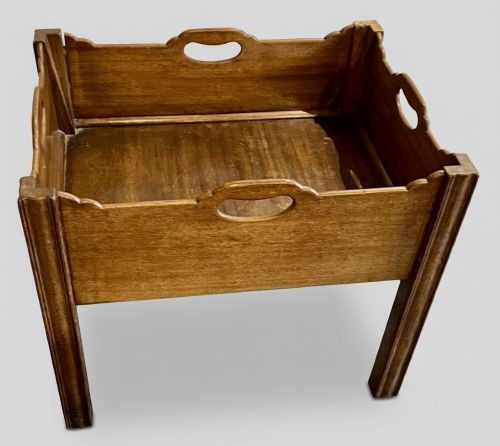
A warm brown tray table offers deep timber tones and a removable surface, giving your room both a practical tabletop and a portable tray.
Warm Brown Tray Table
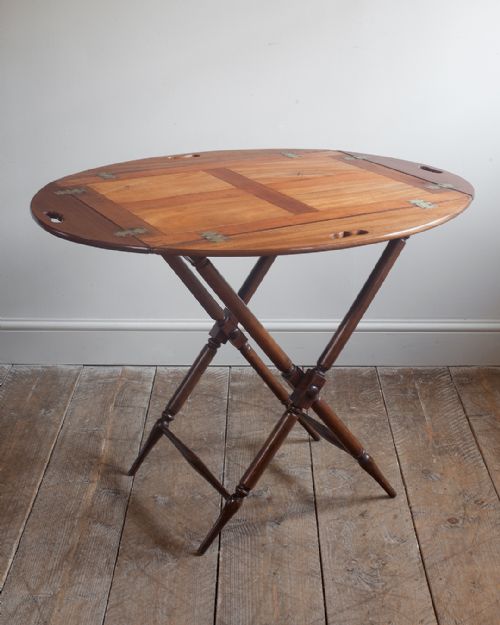
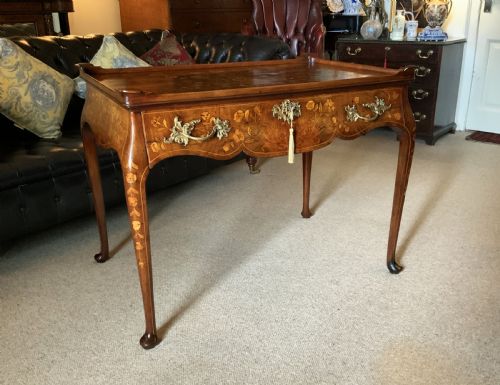
When you search for a warm brown tray table, you are looking at practical furniture designed for serving and display across several distinct historical periods. The examples found here span the Georgian, Regency, 18th Century, 19th Century, and Edwardian eras, encompassing varied forms from side tables to bedside cabinets and dumb waiters.
The version you are most likely to meet on this page is a mahogany or walnut piece featuring a raised or galleried tray top, often supported by a folding stand or tripod base. These items combine rich timber grains with functional portability, reflecting the domestic habits of their original makers.
The assortment includes specialised forms such as oval butlers trays, tripod flower tables, and marquetry inlaid surfaces. Each object demonstrates how traditional cabinet makers adapted timber to create versatile furniture that remains entirely usable in modern interiors.
How they were made
Makers constructed these tray tables using dense hardwoods such as mahogany, walnut, and oak, often selecting boards with rich figuring and deep natural colour. These primary timbers provided the structural strength needed for folding stands, tripods, and multi-tiered frameworks.
Surface decoration frequently involved intricate marquetry and inlay work utilising satinwood, fruitwood, and thuyawood to create floral and avian motifs. Brass elements were also integrated for hinges, mounts, and castors, adding both functional durability and visual contrast to the dark timber.
Warm Brown Tray Table Retail Price Guide 2026
Typical asking prices for warm brown tray table among the pieces listed under this phrase on Sellingantiques today, from the lower quarter to the upper quarter. They describe what is for sale here now, not the wider market.
Some tables were built with clever folding stands so a butler could stash the tray flat behind a door after tea.
What varies in quality
The standard of a warm brown tray table rests on the crispness of its timber joinery and the selection of its wood veneers. Superior examples display tightly fitted joints and harmonious grain matching across the removable tray and its supporting stand.
Finishing details distinguish finer pieces, particularly the precision of marquetry inlay work and the quality of brass hardware. Pieces retaining their original patination and well-balanced proportions command greater appreciation among collectors.
Gillows
The Warm Brown Tray Table Glossary
- Marquetry
- The art of applying decorative veneer pieces to a structure to form intricate picture designs. Craftsmen often used contrasting woods like satinwood and fruitwood for this.
- Tripod table
- A small occasional table supported by a pillar above three spreading legs. This form allows the top to tilt or remain stationary depending on the mechanism.
- Galleried top
- A raised rim surrounding the edge of a tabletop or tray to prevent items from sliding off. It is often pierced or shaped from solid timber.
Warm Brown Tray Table: Frequently Asked Questions
What is a tray table used for?
These tables served primarily for serving drinks or meals and for general domestic display. The removable surface allowed servants to carry items easily between rooms while the stand remained stationary.
Today, they function well as versatile coffee tables or bedside surfaces. Their portable nature makes them adaptable for serving guests or repositioning around a living space.
Are the trays removable?
Many traditional designs feature a distinct tray that lifts completely clear of its folding or fixed stand. This structural separation was intended for carrying items before and after use.
Some later or alternative configurations secure the tray firmly to the base. Checking the specific construction reveals whether the top was built for dual use.
How do I identify a Regency piece?
Regency furniture typically displays clean classical lines, inspired by Greek and Roman forms, dating from the early nineteenth century. Makers often utilised exotic timbers such as thuyawood alongside traditional mahogany.
Look for restrained ornamentation, distinctive tripod or pedestal bases, and refined brass mounts. The emphasis during this period was on proportion and striking wood grain.