


Vintage Shop Vitrine
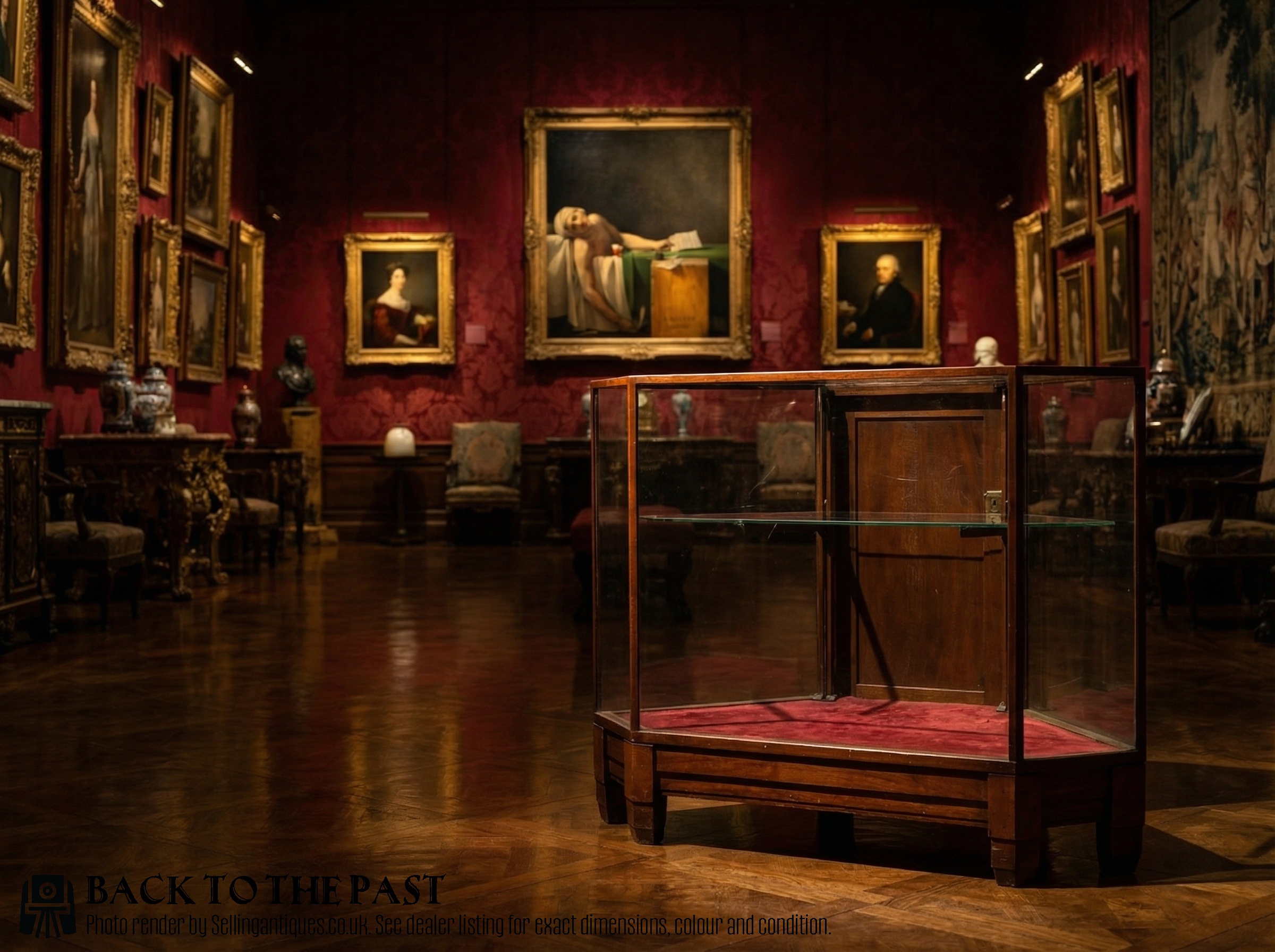
A vintage shop vitrine brings the crisp lines and high visibility of historic commerce straight into a domestic interior.
Vintage Shop Vitrine
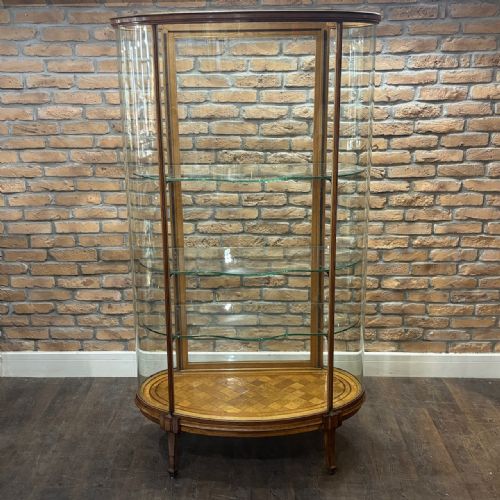
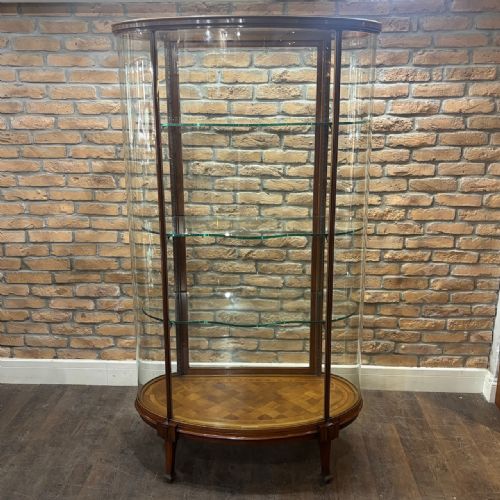
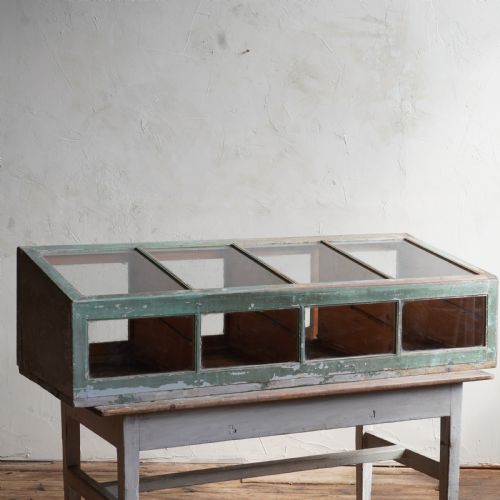
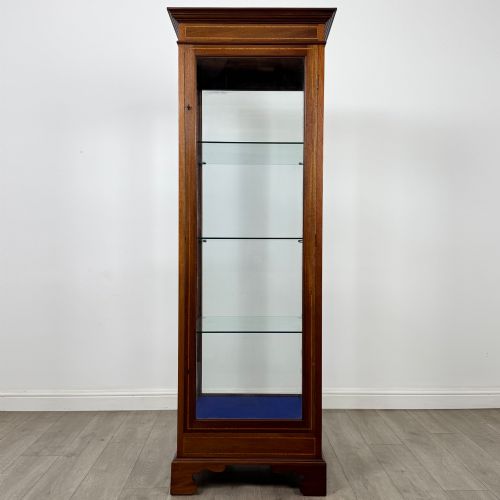
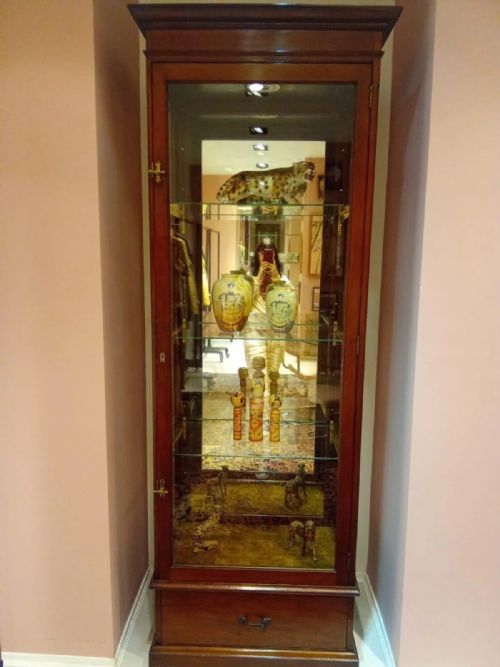
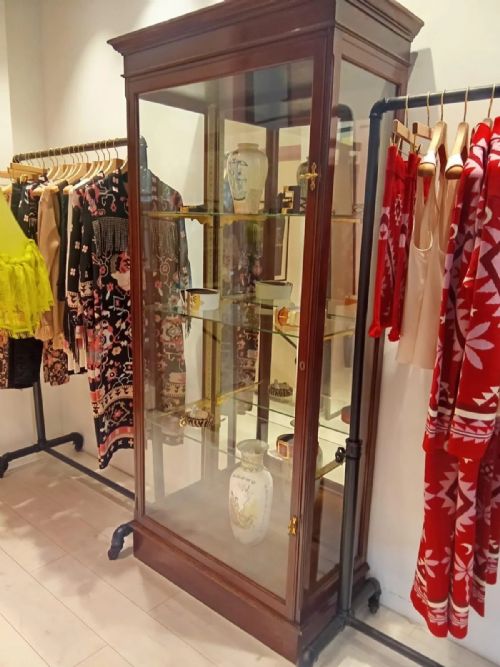
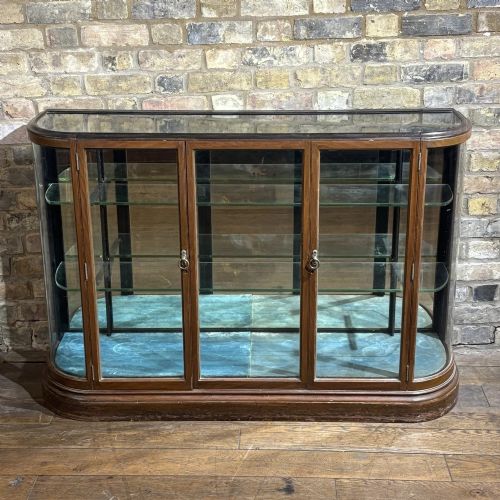
A vintage shop vitrine is a glazed enclosure designed originally for commercial display, encompassing freestanding tower cabinets, long counters, and compact tabletop models. The pieces appearing here span from the late nineteenth century through the Art Deco era of the 1930s, reflecting the functional needs of past merchants.
The most common formats on this page are Edwardian and 1920s mahogany or ebonised display cabinets, alongside specialised shop counters and countertop cases. These items emerge from commercial backgrounds, including maker-signed pieces by firms such as F. Sage and Co.
Origins stretch from British workshops to French and American makers, incorporating styles from rustic industrial to Louis XV revival. Buyers select these cabinets to exhibit collections behind glass while maintaining an authentic historic aesthetic.
How they were made
Construction relies heavily on sturdy timbers such as mahogany, oak, and walnut, often paired with ebonised wood or brass mountings for structural framing and decorative contrast. Glazing is central to the design, employing large panes of glass to maximise light transmission and visibility.
Interior elements frequently include adjustable glass shelves and mirrored backs to enhance the display of goods. Finishes range from polished gold leaf and natural wood grains to distressed paint surfaces applied during their commercial life.
Listings span from the 1880s through the 1930s, with materials including mahogany, oak, brass, and ebonised wood.
What varies in quality
Quality in a vintage shop vitrine rests on the integrity of the framing timbers and the clarity of the original glass panes. Superior examples maintain robust joinery in dense woods like mahogany or oak without excessive structural compromise.
The presence of maker attribution, specialised hardware like brass mountings, and sophisticated forms such as bow ends or pentagonal counters elevate certain pieces above standard utility cabinets. Retained original linings like velvet or fabric also distinguish finer constructions.
F Sage and Co·E Pollard and Co Ltd·Siegel·Quincy Showcase Works Illinois
The Vintage Shop Vitrine Glossary
- Vitrine
- A glass-panelled cabinet designed for displaying objects of interest. This term originates from French terminology and often describes refined display furniture.
- Bow end
- A cabinet featuring a curved glass or timber end section. This construction softens the linear profile of the furniture.
- Ebonised
- Wood treated to imitate ebony through a dark staining or painting process. This technique became popular for creating sharp contrast with brass mounts.
- Countertop
- A smaller display case intended to sit upon a shop counter for close customer viewing. These models often feature rear access doors for the attendant.
- Vernis Martin
- A decorative lacquer technique mimicking Japanese finishes, applied to European cabinetry. It appears on specialised vitrine pieces.
Vintage Shop Vitrine: Frequently Asked Questions
What is a vintage shop vitrine used for?
These cabinets were originally built for commercial retail environments to showcase confectionery, jewellery, and perfumes to customers. Today they serve as domestic display cases for collections, ceramics, and personal curiosities.
The extensive glass panels allow light to circulate around displayed items while protecting them from dust.
How do I date a shop display cabinet?
Dating relies on stylistic markers, construction methods, and materials recorded in the evidence from the 1880s to the 1930s. Edwardian and 1920s examples often feature specific framing styles and maker signatures.
Heavier Victorian walnut and oak pieces display distinct proportions compared to later Art Deco steel and glazed variants.
Are the shelves inside adjustable?
Many listings specify adjustable glass shelves designed to accommodate objects of varying heights within the cabinet. This flexibility originates from the practical needs of shopkeepers altering their window displays.
Original hardware supports these internal glass levels securely behind the main doors.
Where were these cabinets manufactured?
The pieces originate from British, French, and American workshops active during the late nineteenth and early twentieth centuries. Firms such as F. Sage and Co. produced numerous cabinets for commercial use.
Stylistic influences range from local Edwardian workshop traditions to French Louis XV revival designs.