





Vintage Shop Trade Sign
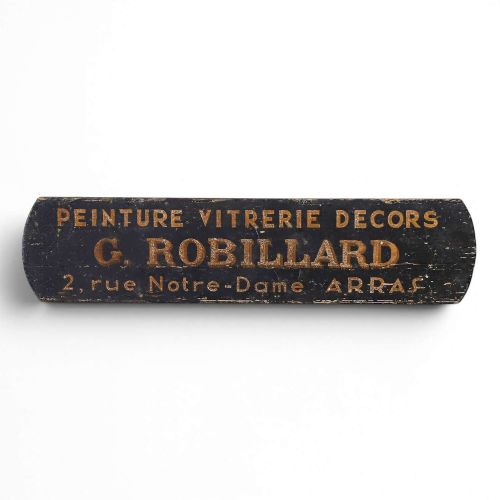
A vintage shop trade sign brings the character of nineteenth and early twentieth century commerce directly into a modern interior.
Vintage Shop Trade Sign
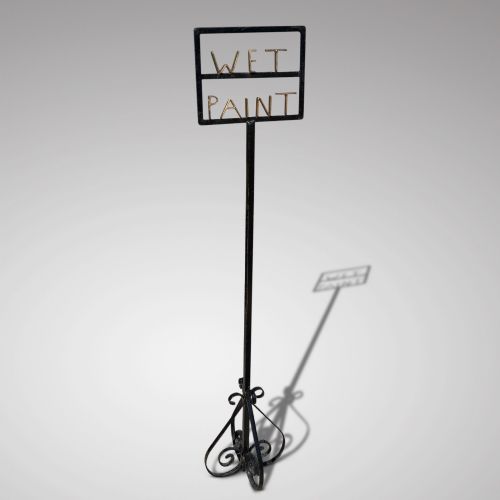
A vintage shop trade sign serves as a functional marker or display piece originating from historical commercial premises, spanning periods from the nineteenth century through the 1930s. Buyers searching this phrase encounter diverse forms such as wall signs, architectural salvage, advertising panels, and shop display models.
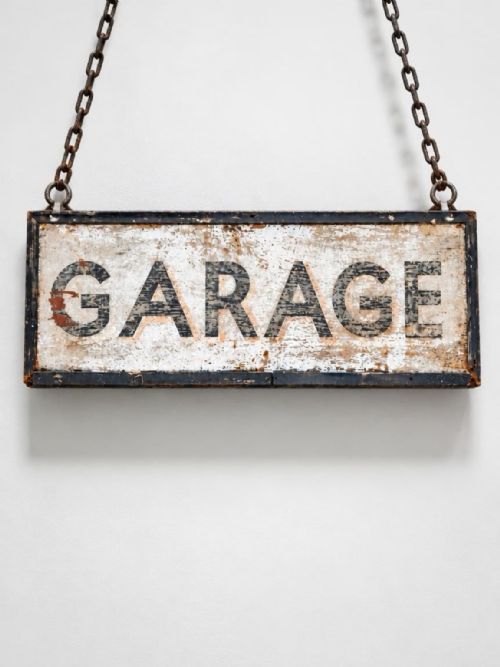
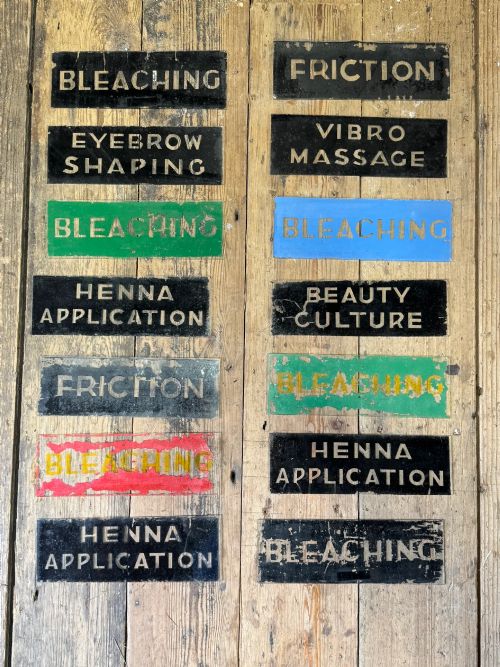
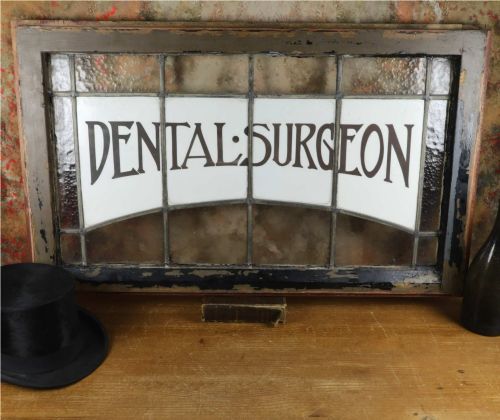
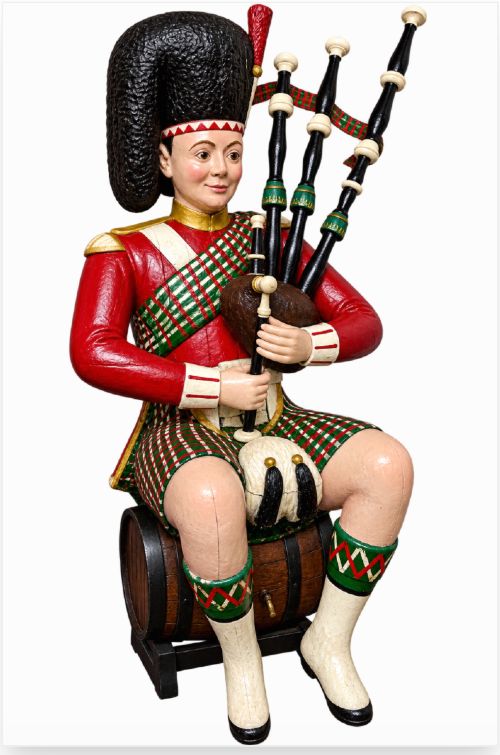
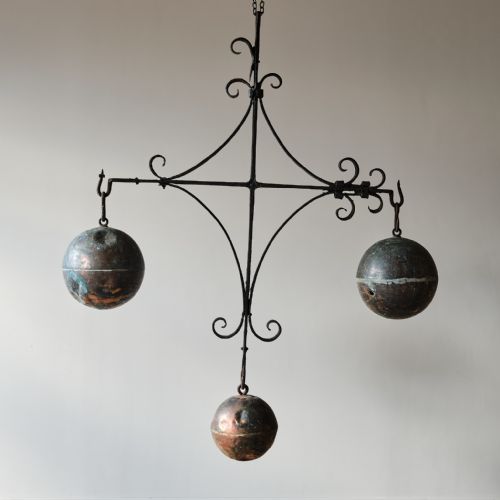
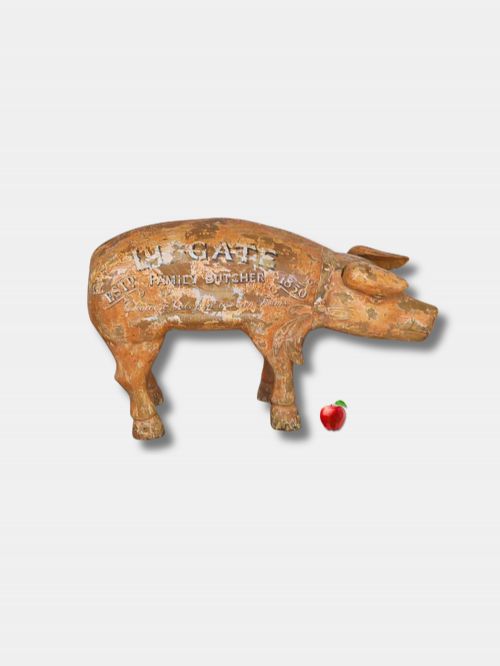
The selections on this page draw predominantly from Victorian, Edwardian, and early twentieth-century eras, showcasing industrial, folk art, and Art Deco influences. Common subjects include professional practices, hardware samples, and trade-specific figures carved or painted to attract customers.
How they were made
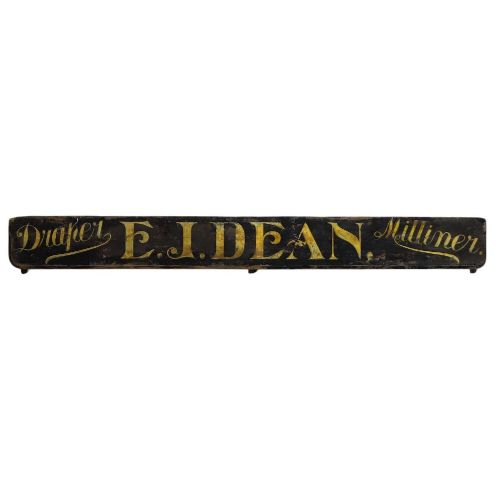
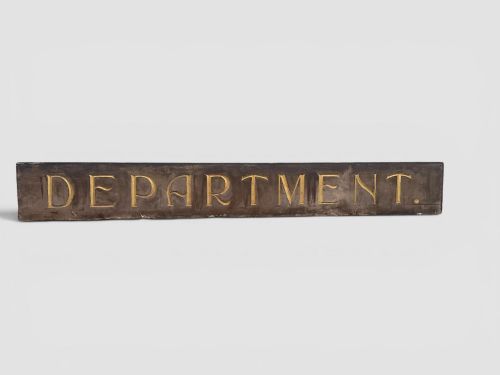
Makers utilised traditional materials including wood, cast and wrought iron, copper, brass, and glass, often applying hand-mixed paint and gold leaf lettering directly to the surface. Many examples incorporate reverse-painted glass or embossed metal panels to achieve durable, high-contrast exterior visibility.
Construction techniques range from simple pine board painting to complex carved wooden figures, composition modelling, and toleware shaping. These physical methods reflect the utilitarian requirements of nineteenth and early twentieth century shopkeepers who needed robust advertising that endured external weather.
Vintage Shop Trade Sign Retail Price Guide 2026
Typical asking prices for vintage shop trade sign among the pieces listed under this phrase on Sellingantiques today, from the lower quarter to the upper quarter. They describe what is for sale here now, not the wider market.
Listings feature items spanning the Victorian era through the 1930s, utilising pine, iron, glass, and copper.
What varies in quality
The character of the paint surface and the integrity of the original lettering distinguish standard commercial boards from superior examples of folk art and signwriting. Original unretouched surfaces carrying genuine traces of weathering hold greater visual depth than later repainted variants.
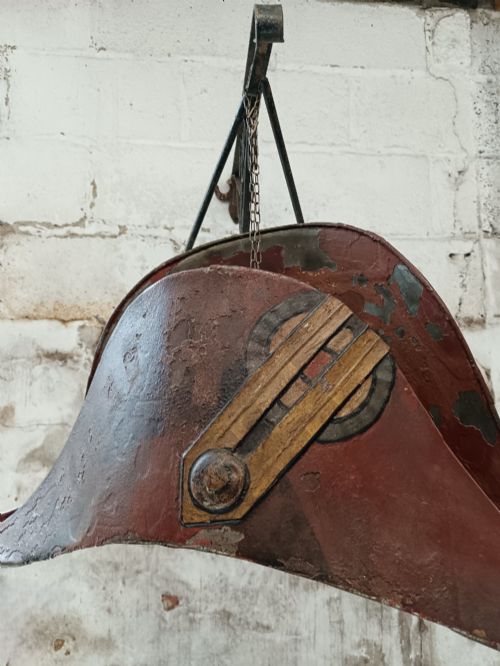
Sculptural fidelity and the complexity of the object form also divide the range, separating simple painted panels from intricate tradesman figures, automated displays, or deeply carved wooden trade representations.
Gerwin & Co Birmingham·Josef Herzog Jewellery Shop
The Vintage Shop Trade Sign Glossary
- Trade Sign
- A board, figure, or structure hung outside or placed within a shop to advertise the trade or goods sold within. These items formed the primary visual language of nineteenth and early twentieth century high streets.
- Reverse-Painted Glass
- A technique where paint and gold leaf are applied to the back of a glass panel so the design appears correctly when viewed from the front. This method produced a glossy, protected finish popular for interior pharmacy and confectionery windows.
- Toleware
- Lacquered or enamelled metalware, typically iron or steel, shaped into decorative or commercial items. Military and trade examples utilise this technique for lightweight exterior durability.
- Folk Art
- Utilitarian objects created by self-taught makers or tradesmen without formal academic training. In shop signage, this results in idiosyncratic proportions and direct, expressive carving or painting.
- Architectural Salvage
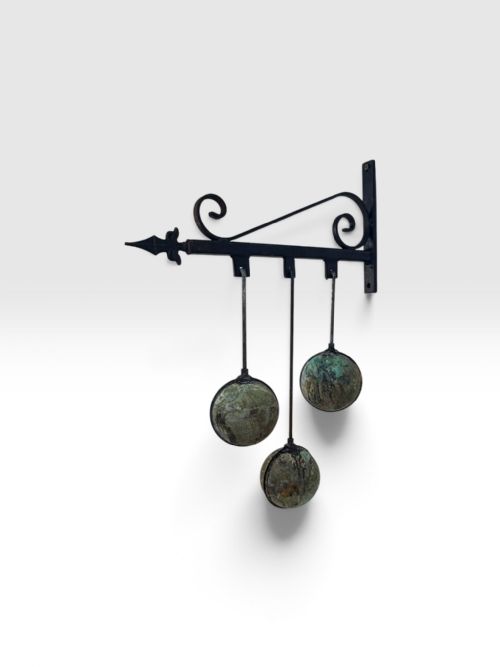
- Building elements, brackets, and structural fixtures recovered from demolished or remodelled historical structures. Sign brackets and hanging irons often fall into this category.
Vintage Shop Trade Sign: Frequently Asked Questions
Where were vintage shop trade signs displayed?
These signs hung above shop doorways, projected from building facades on iron brackets, or sat directly in display windows to catch the attention of passing pedestrians.
Interior examples were positioned behind counters or mounted on walls inside professional practices and emporiums to guide customers toward specific services.
How do I hang a heavy trade sign?
Heavy wooden and iron trade signs require secure fixings into structural wall studs or masonry rather than standard plasterboard anchors. Using load-rated chains or matching antique wrought iron brackets ensures the weight distributes safely.
Consulting a professional installer is recommended for oversized pieces or double-sided hanging panels to prevent structural damage to walls.
How can I tell a Victorian sign from a 1930s piece?
Victorian and nineteenth-century signs often feature hand-brushed lettering on timber boards, heavy wrought iron work, and traditional folk art modelling. The materials typically show deep surface patination accumulated through decades of exterior exposure.
Pieces from the 1930s frequently introduce Art Deco typography, reverse-painted glass panels, or early enamel advertising construction techniques that reflect mid-century commercial modernisation.
Can these signs be displayed outdoors today?
Most antique trade signs suffer accelerated degradation if subjected to modern rainfall and frost after decades of indoor preservation or sheltered use. Maintaining them inside protects delicate painted wood surfaces, gold leaf, and historical patination from moisture damage.