





Antique Glass Advertising Sign
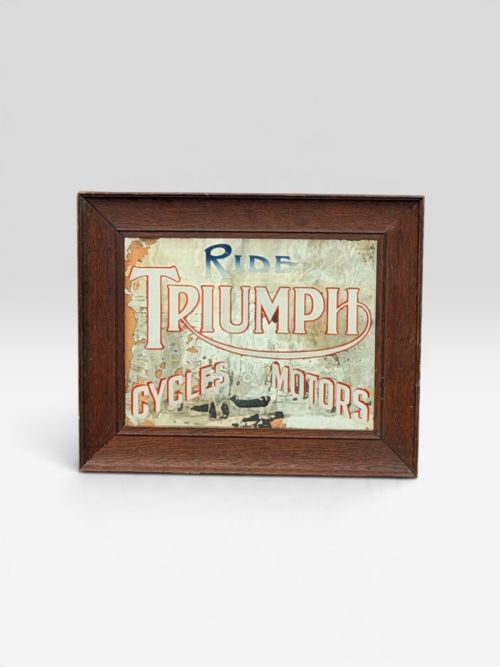
An antique glass advertising sign carries the bold lettering of a bygone shop window or interior wall, offering a tangible piece of commercial history for your home.
Antique Glass Advertising Sign
An antique glass advertising sign brings commercial heritage directly into modern spaces through surviving window panels, mirrors, and trade displays. When you search for this phrase, you encounter pieces that served specific retail functions in confectioners, tobacconists, and hardware merchants during the late nineteenth and early twentieth centuries.
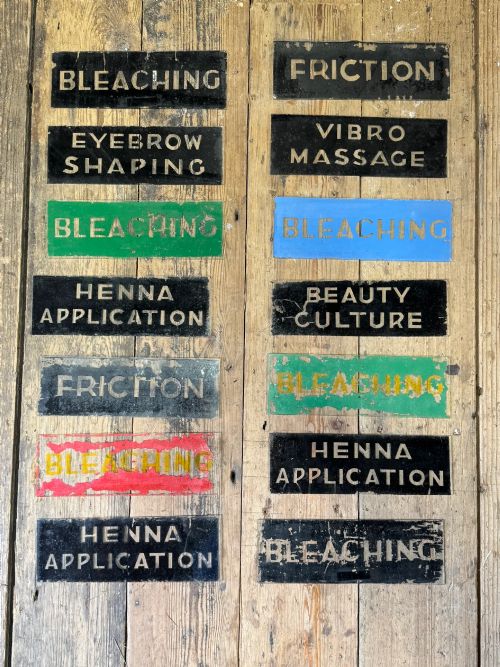
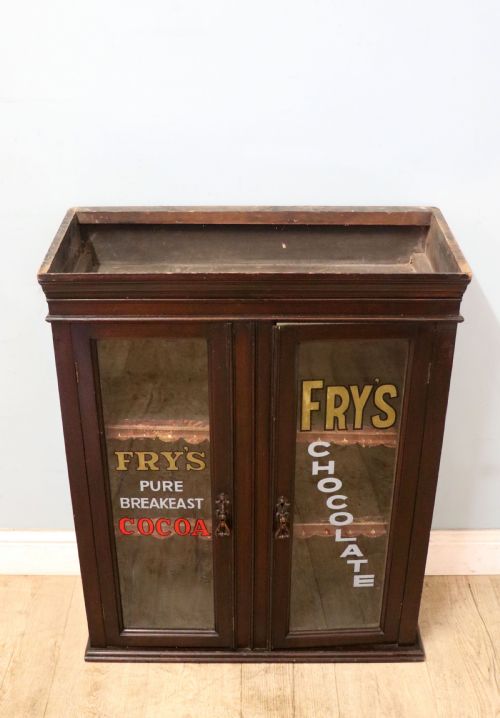
The selections on this page primarily take the form of reverse-painted glass panels, mirror plates, and sign-written shop fittings spanning the Victorian, Edwardian, and Art Deco periods. These items range from dedicated window panels to cabinets and cupboards bearing later hand-lettered commercial decoration.
Origins stretch across British commercial life, capturing the distinctive typography and branding of recognizable names in confectionery, tobacco, and everyday provisions. Each piece reflects the functional trade requirements of its original era while adapting well to contemporary interior display.
Materials and construction
Makers utilised glass as the primary substrate, applying techniques such as reverse painting, cutting, and sign-writing directly to the reverse side to protect the pigment from wear. This method preserved the gloss of the front surface while allowing crisp lettering and detailed commercial graphics to show through clearly.
Frames and backing structures typically incorporate timber such as pine, oak, mahogany, or walnut, alongside supportive elements in brass and lead. Cabinet makers and signwriters combined these durable woods with glass panels to create sturdy window displays and wall-hanging units capable of withstanding busy retail environments.
Antique Glass Advertising Sign Retail Price Guide 2026
Typical asking prices for glass advertising sign among the pieces listed under this phrase on Sellingantiques today, from the lower quarter to the upper quarter. They describe what is for sale here now, not the wider market.
The listings span from the Victorian era through the Edwardian period and into the 1920s and 1930s, using glass, paint, brass, oak, pine, and mahogany.
What separates the best from the rest
The standard of an antique glass advertising sign rests upon the complexity of its glass technique and the crispness of its hand-lettered execution. Reverse-cut and deeply painted panels from specialist workshops display a depth and precision that simpler surface-painted versions lack.
The preservation of the original glass plate relative to its framing material also dictates the standing of a piece. Examples retaining their untouched wooden frames, original mirror silvering, and clear, unfaded lettering command greater appreciation among collectors of commercial artefacts.
The Antique Glass Advertising Sign Glossary
- Reverse-painting
- A technique where paint is applied to the back of a glass sheet so the image is viewed correctly from the front. This protects the pigment from damage and gives the sign a glossy, deep finish.
- Sign-written
- The traditional craft of applying lettering by hand using signwriter's brushes and oil-based paints. It produces the authentic hand-rendered typography seen on older trade boards and shop cabinets.
- Trade sign
- A board or panel displayed outside or inside a commercial establishment to identify the trade or business. These objects range from simple painted timber to elaborate glass and mirror panels.
- Mirror plate
- The reflective glass insert within a frame, often silvered and etched or painted with commercial branding. In advertising signs, the mirror served the dual purpose of checking one's appearance and displaying a brand.
Antique Glass Advertising Sign: Frequently Asked Questions
Where were these signs originally displayed?
These pieces originally hung in shop windows, above counters, or along interior walls of high street merchants to attract passing customers.
They stood in tobacconists, confectioners, and shoe shops, serving both as functional mirrors or glazing and as bold commercial advertisements.
How do I hang a heavy glass sign?
Hanging requires securing the piece directly into wall studs or using heavy-duty mirror brackets suited to the weight of the timber frame and glass.
Because many examples feature substantial oak, mahogany, or pine frames alongside thick glass plates, professional wall fixings ensure safe support.
How can I tell the period of a sign?
Dating relies upon examining the typography, the construction of the wooden frame, and the specific materials used in the glass and backing.
Victorian and Edwardian pieces often display characteristic serif lettering and traditional timber mouldings, while 1930s examples lean towards Art Deco styles.
Are these signs restored or original?
Listings feature a mix of untouched original panels and pieces with later hand sign-writing applied to period cabinets or mirrors.
Patina on the glass and wear to the timber frame indicate the age and history of the item, preserving its authentic commercial character.