

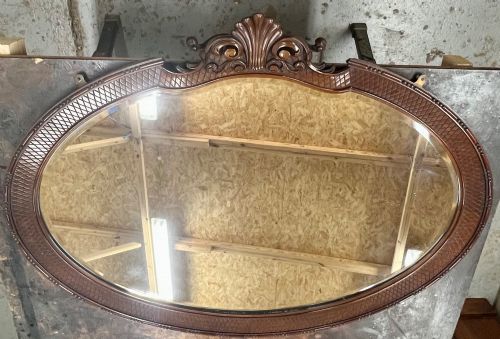


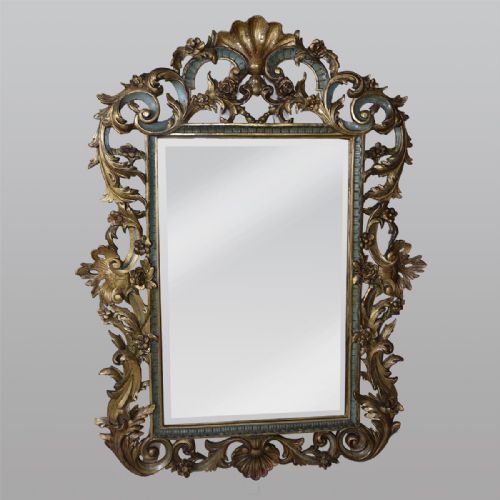


Vintage Shell Frame
A vintage shell frame brings natural texture and hand-carved detail into a room, offering an enduring piece of decorative history.
Vintage Shell Frame
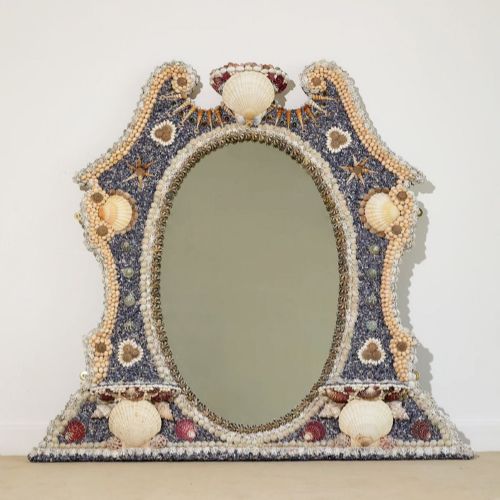
When you search for a vintage shell frame, you encounter decorative objects constructed from organic marine materials and traditional woods. These items range from wall mirrors to picture frames and intricate dioramas created across the nineteenth and twentieth centuries.
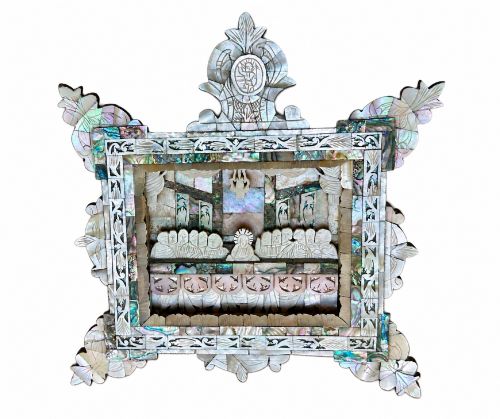
The most common examples on this page combine carved wooden structures with natural shell elements, nacre, or abalone inlay. Makers applied these marine details to various forms, including wall mirrors and religious icons, reflecting regional styles from Italy, the Levant, and Britain.
The periods represented span from the 1870s through the mid-twentieth century, capturing shifts in domestic ornament. Whether examining a folk art shell diorama or an inlaid walnut frame, each piece demonstrates the persistent appeal of marine motifs in interior decoration.
How they were made
Craftsmen utilised traditional timber foundations such as walnut, mahogany, oak, and fruitwood to build the structural carcass of each frame. These woods provided a stable base for subsequent decorative treatments, often shaped into fretwork or curved moulding profiles.
Makers applied delicate marine elements, including mother-of-pearl, abalone, and nacre, through meticulous inlay techniques. Artisans also incorporated gesso, giltwood, and hand-embossed brass to accent the wooden frames and highlight the organic textures of the shells.
Vintage Shell Frame Retail Price Guide 2026
Typical asking prices for vintage shell frame among the pieces listed under this phrase on Sellingantiques today, from the lower quarter to the upper quarter. They describe what is for sale here now, not the wider market.
A nineteenth-century artisan once decided that a solid gold frame was the only suitable home for a monumental shell cameo.
What varies in quality
The standard of execution in the joinery and the precision of the inlay work distinguish finer examples from simpler items. Artisans who carefully selected and fitted individual pieces of nacre or abalone achieved a more cohesive surface than those using hurried assembly methods.
The complexity of the carved wooden substrate and the preservation of the original giltwood or lacquered finish influence the overall character. Pieces retaining their original glass and intact shell components demonstrate superior historical integrity.
R.Pernice
The Vintage Shell Frame Glossary
- Mother of pearl
- An iridescent inner layer of certain shells that artisans cut and inlay into wooden frames for decorative effect.
- Giltwood
- Wood that has been coated with gold leaf or a gold-coloured finish to create a brilliant decorative surface.
- Fretwork
- Ornamental perforated woodwork created by cutting patterns through thin boards, commonly seen on Georgian style wall mirrors.
- Diorama
- A three-dimensional scene, often found in antique folk art frames depicting religious subjects or coastal motifs.
- Nacre
- An alternative term for mother-of-pearl, frequently utilised in Syrian and Levantine inlaid woodwork.
Vintage Shell Frame: Frequently Asked Questions
How should I clean a shell frame?
Dust the wooden sections and shell inlays gently with a soft, dry cloth to prevent accumulation of dirt.
Avoid chemical cleaning agents and excessive moisture, which can damage delicate nacre inlay and traditional giltwood finishes.
Where were these frames typically placed?
These decorative items served as central overmantel wall mirrors, personal picture frames, or devotional icons in domestic interiors.
Their reflective glass and ornate borders were designed to catch light and draw the eye within principal reception rooms.
How do I identify the period of a frame?
Examine the underlying wood species, construction methods, and fastening types used at the back of the object.
Stylistic indicators such as Edwardian fretwork or nineteenth-century Rococo Revival curves help narrow down the date of manufacture.