



Vintage Shaving Mirror Table
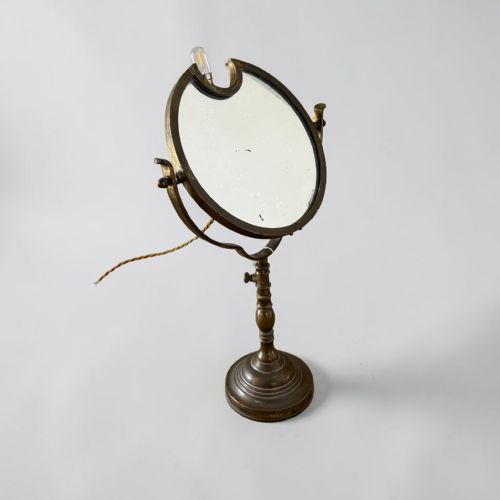
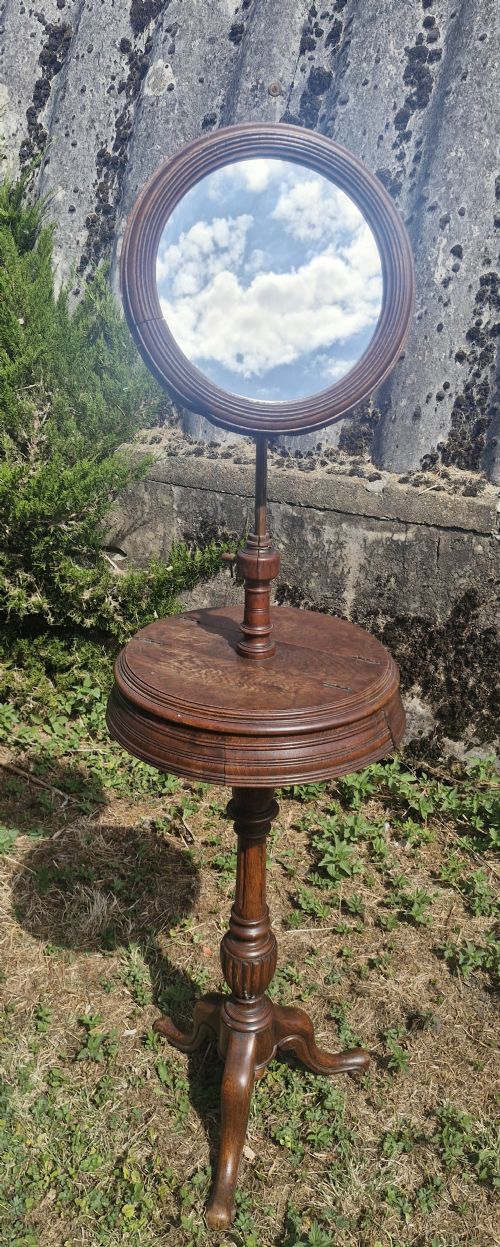
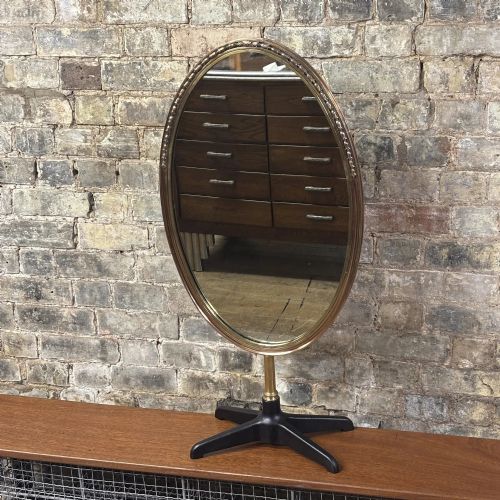
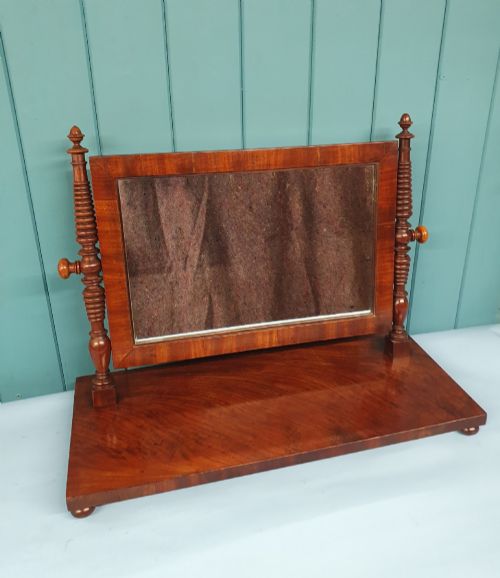
These pieces for vintage shaving mirror table use combine practical pivoting glass with timber and brass, offering a focused view for daily grooming.
Vintage Shaving Mirror Table
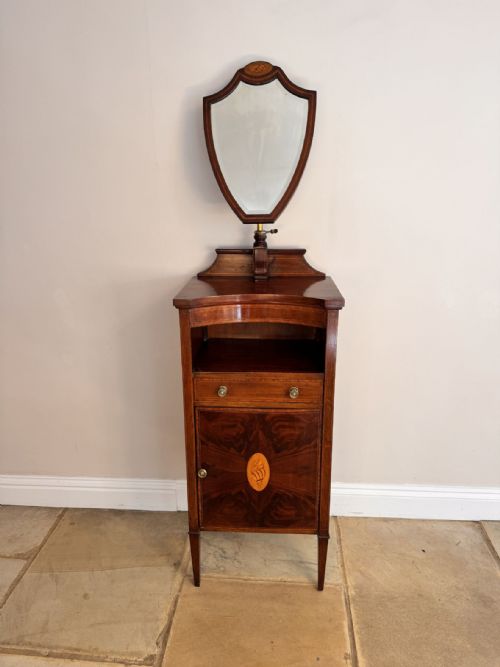
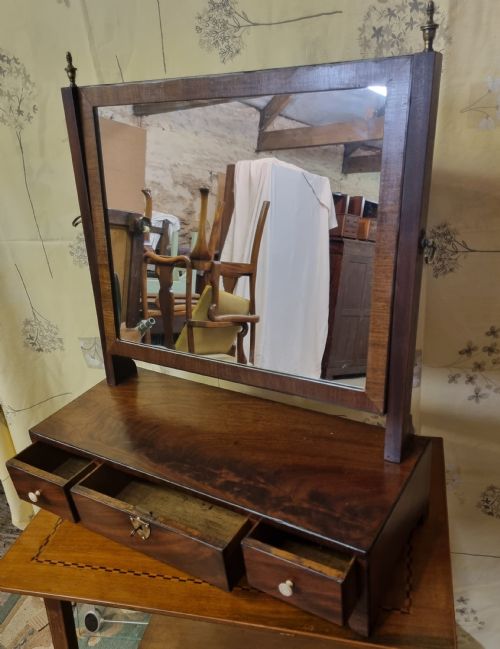
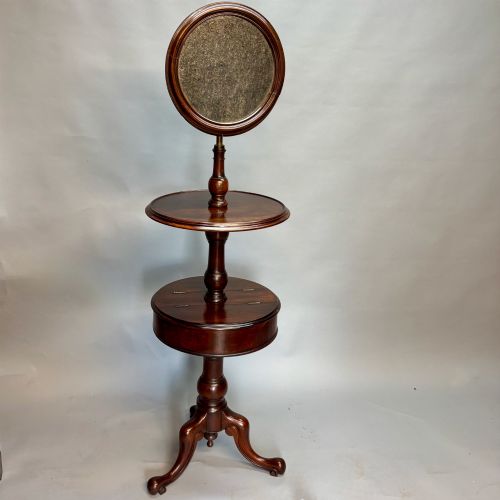
When you search for a vintage shaving mirror table, you encounter dressing mirrors, toilet mirrors, and shaving stands originating from the Georgian, Victorian, and Edwardian eras. These objects range from tabletop toilet swings in mahogany and oak to larger floor-standing shaving cabinets with adjustable glass.
The selections span simple pivoting table mirrors to elaborate designs featuring Dutch marquetry, Swedish birch, and inlaid walnut. Most examples serve to angle the reflection for grooming, whilst others incorporate small drawers or compartments for gentleman's accessories.
How they were made
Cabinetmakers constructed the frames and stands primarily in mahogany, walnut, and oak, frequently employing boxwood stringing, brass fittings, and bone escutcheons. Glass forms the pivoting element, held within adjustable side arms or mounted on weighted cast iron and brass supports.
Specialised examples incorporate mechanical or scientific adjustments, utilising brass screws and pivots to alter the angle of the mirror plate. Later twentieth-century versions introduce chrome plating alongside traditional wood finishes.
Vintage Shaving Mirror Table Retail Price Guide 2026
Typical asking prices for vintage shaving mirror table among the pieces listed under this phrase on Sellingantiques today, from the lower quarter to the upper quarter. They describe what is for sale here now, not the wider market.
The listings on this page include mirrors and stands from the Georgian, Victorian, Edwardian, and Art Deco periods, made in mahogany, oak, walnut, brass, and chrome.
What varies in quality
The standard of timber selection and joinery distinguishes finer pieces, particularly where secondary woods like oak are matched with figured mahogany or walnut veneers. Hand-cut dovetails in small drawers and crispness in marquetry inlay indicate greater workshop skill.
The sturdiness of the brass hardware and the smoothness of the pivoting mechanism determine the structural integrity of the piece over time. Original mirror glass with bevelled edges and heavier cast brass mounts generally signal superior production.
Thomas Rubergall of London·James Shoolbred·Mirror Brot
The Vintage Shaving Mirror Table Glossary
- Toilet mirror
- A small table mirror designed to sit upon a chest of drawers or dressing table, usually featuring a swivelling glass frame between two upright posts.
- Shaving stand
- A taller piece of furniture incorporating a mirror, often with integrated small shelves, cupboards, or holders for shaving gear.
- Cheval mirror
- A full-length dressing mirror supported by a freestanding frame that allows the glass to swing freely on horizontal pivots.
- Marquetry
- Decorative patterns formed by the insertion of different coloured veneers into a solid wood ground, seen on Dutch and Viennese pieces.
- Skeleton mirror
- A minimalist mirror frame design that omits a solid back panel, exposing the slender wooden framework holding the glass.
Vintage Shaving Mirror Table: Frequently Asked Questions
What is a vintage shaving mirror table used for?
These pieces provide an adjustable reflection for daily personal grooming, shaving, and hair styling.
Historically, they sat upon dressing chests or stood independently in bedrooms and dressing rooms to catch the morning light.
How do I date a Georgian shaving mirror?
Georgian pieces typically employ solid mahogany, hand-cut dovetails in the drawer construction, and heavy brass pivoting screws.
The glass may show slight distortion or be held in simple moulded frames without elaborate mechanical adjustments.
Are these mirrors fixed or adjustable?
The vast majority of these mirrors feature pivoting frames mounted on side supports, allowing the user to tilt the glass.
Some Victorian and Edwardian stands add vertical height adjustment or folding arms for more precise positioning.
How do I care for antique wood and glass?
Maintain the timber surfaces with appropriate wax polish applied sparingly and buffed with a soft cloth to protect the finish.
Keep the brass pivots clean and avoid using harsh chemical cleaners on original glass or patinated metal hardware.