

Vintage Sectional Cabinet
Vintage sectional cabinet designs provide modular storage through stacking tiers, combining practical library utility with period character.
Vintage Sectional Cabinet
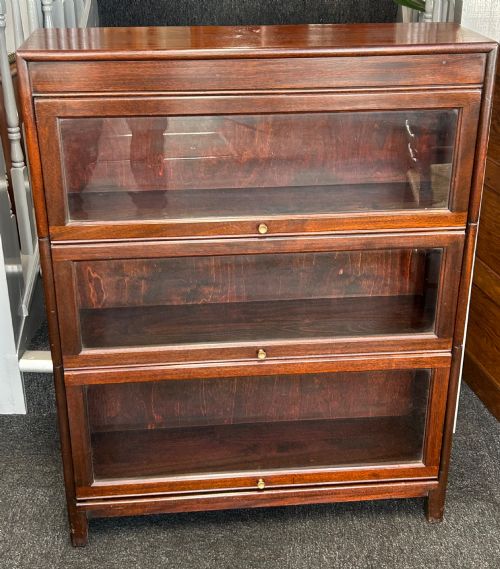
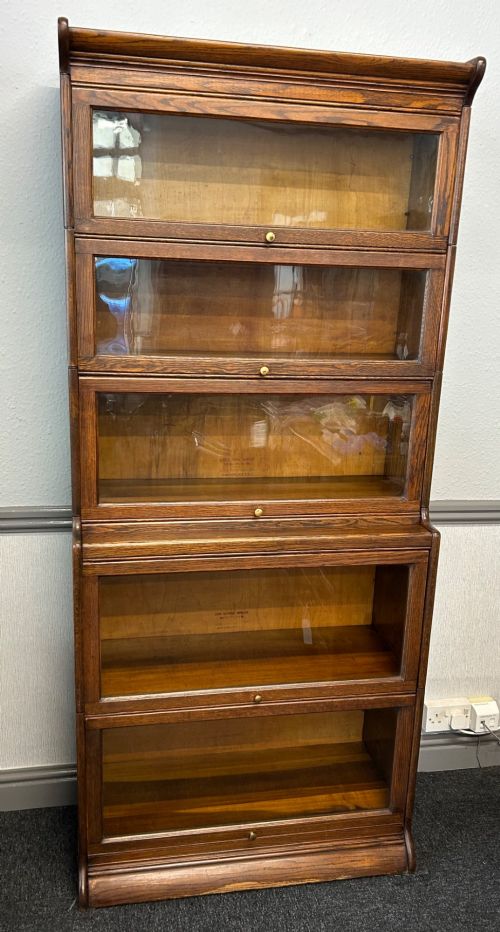
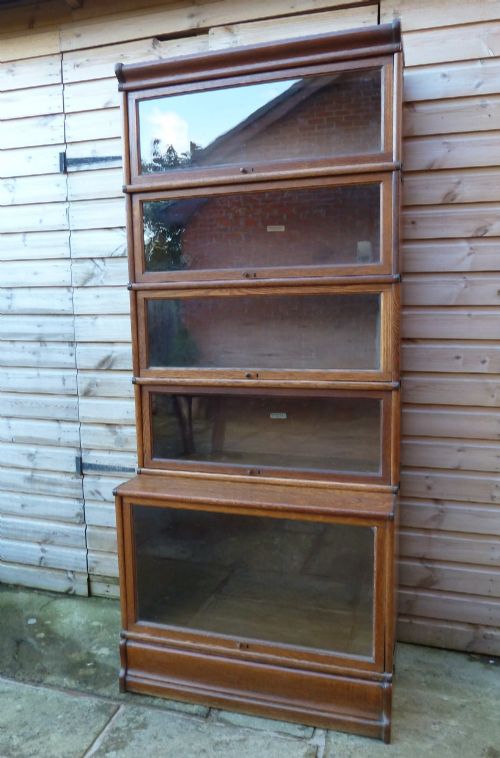
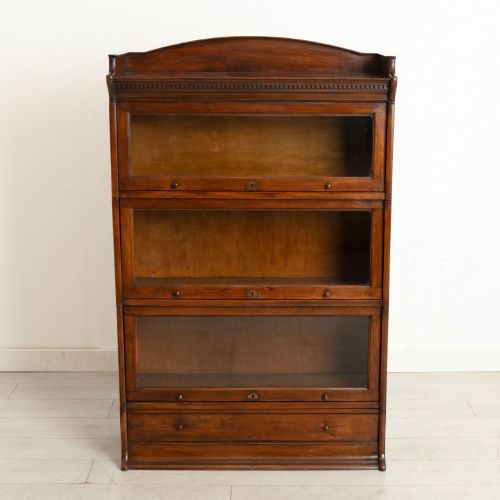
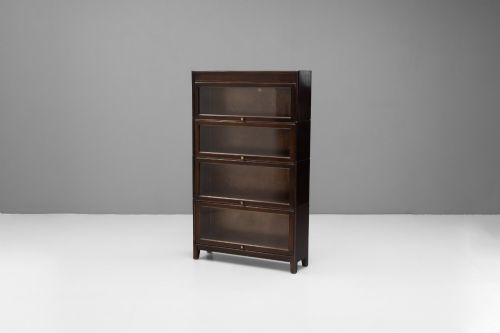
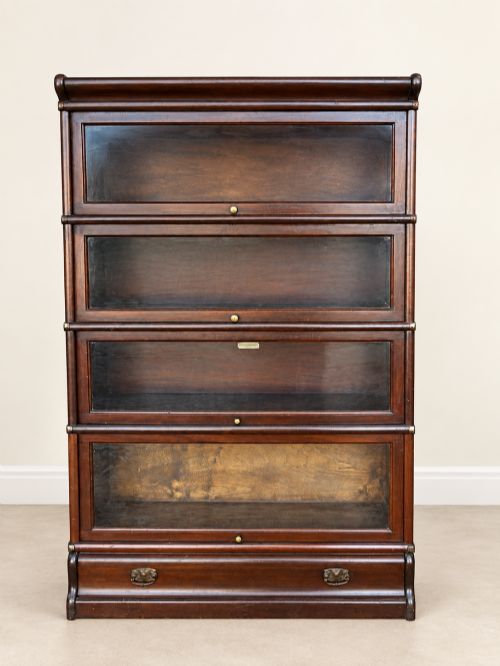
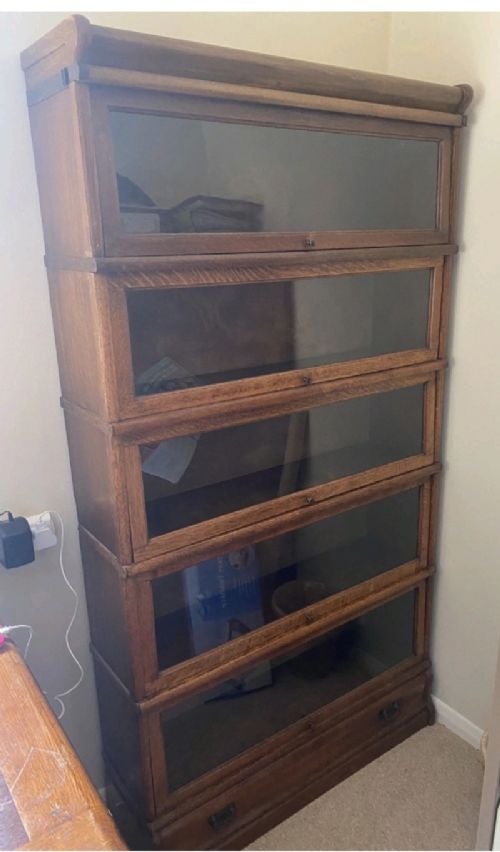
A vintage sectional cabinet consists of modular tiers that stack together, commonly known as stacking or barrister bookcases. These pieces originate from periods spanning from nineteen hundred through the nineteen fifties, encompassing Edwardian, Arts and Crafts, Art Deco, and mid-century modern styles.
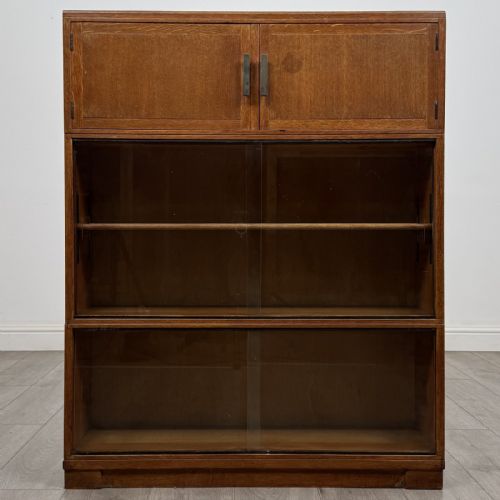
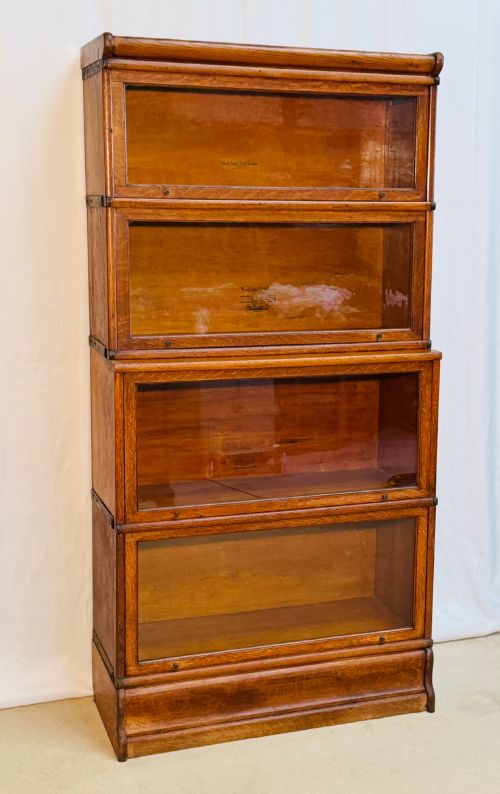
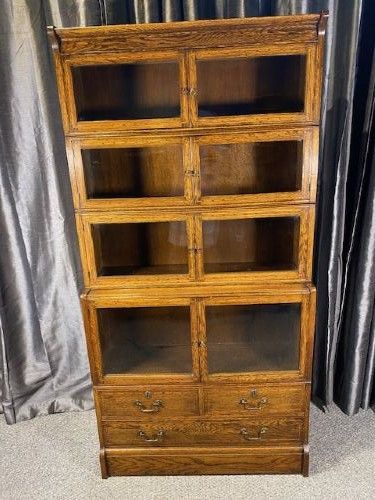
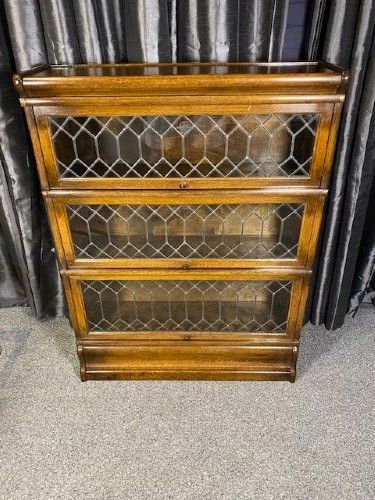
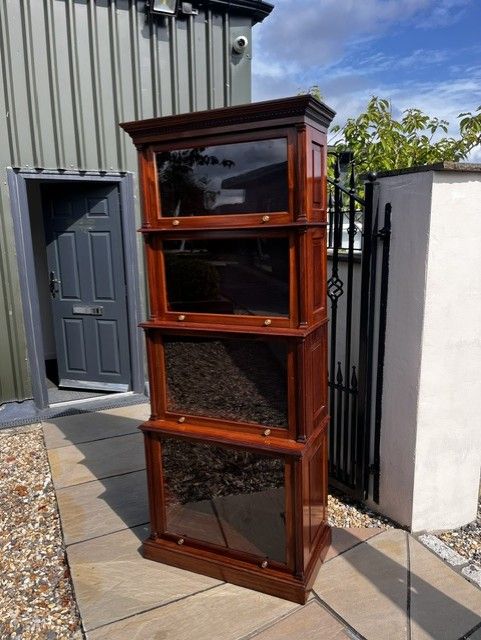
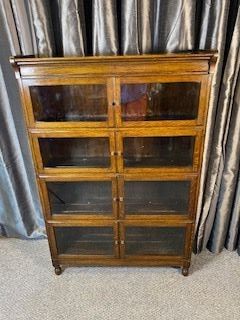
The most common version on this page is the oak or mahogany Globe Wernicke bookcase, typically fitted with glazed sliding or up and over doors. Office bookcases and library shelving units also appear frequently, often constructed in multiple tiers with occasional drawer sections at the base.
How they were made
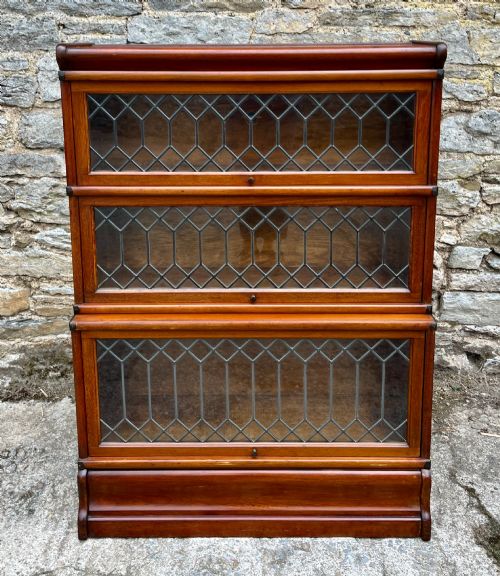
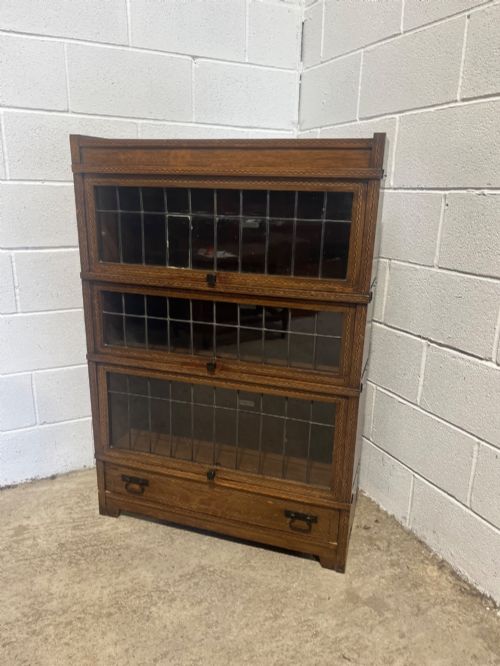
Constructed primarily from solid oak and mahogany, these cabinets utilise sturdy timber frames combined with glass door panels. Metal and brass hardware facilitates the modular stacking mechanism, while leaded glass appears on specific stylistic variations.
Makers employed innovative elastic or stacking systems, allowing individual tiers to lock together securely while maintaining independent access via up and over doors.
Vintage Sectional Cabinet Retail Price Guide 2026
Typical asking prices for vintage sectional cabinet among the pieces listed under this phrase on Sellingantiques today, from the lower quarter to the upper quarter. They describe what is for sale here now, not the wider market.
The inventory records modular bookcases ranging from three to six stacked tiers, occasionally incorporating fitted drawers at the base.
What varies in quality
Quality in a vintage sectional cabinet depends on the integrity of the timber selection, such as solid mahogany versus plain oak, and the precision of the stacking mechanism. Finer examples exhibit matching grain patterns across multiple tiers and robust internal brass fittings.
Makership distinguishes standard utility office furniture from superior workshop productions, where refined moulding details, integrated base drawers, and intact leaded glass elevate the construction standard.
Gunn Furniture·Lebus·Globe Wernicke·Macey·Heal s·Minty·AMYL
The Vintage Sectional Cabinet Glossary
- Barrister bookcase
- A stacking bookcase featuring glazed up and over doors designed to slide horizontally into the cabinet above each shelf. These pieces were originally utilised by lawyers to protect and transport legal volumes.
- Globe Wernicke
- A prominent modular furniture system patented in the late nineteenth century. The name is frequently applied generically to any stacking sectional bookcase of this period.
- Sectional cabinet
- A modular storage unit built in separate tiers or sections that stack vertically. This design allows the furniture to be easily disassembled and reconfigured.
- Up and over door
- A specialised mechanism utilising internal metal arms that allows a glass panel door to lift upwards and slide back into the tier. It is the defining mechanical feature of elastic barrister bookcases.
- Tier
- An individual stackable section of a modular cabinet housing a single shelf behind a glazed door. Multiple tiers combine to form the complete height of the bookcase.
Vintage Sectional Cabinet: Frequently Asked Questions
How do sectional cabinet tiers separate?
Individual sections lift apart once the locking side pins or metal clips are disengaged from the adjoining tier. Each shelf level forms a completely self contained wooden box.
This modular construction allowed offices and libraries to expand their shelving vertically simply by adding another tier to the stack.
What is an up and over door?
An up and over door is a glazed wooden frame fitted with internal metal guide arms that allow the panel to push inward. The mechanism slides smoothly above the books inside the tier.
This design keeps the contents protected from dust while enabling quick access without swinging doors taking up room in narrow spaces.
Are these cabinets purely for books?
While originally designed for legal libraries and offices, these modular cabinets suit living spaces for displaying ceramics, glassware, and collections. The glazed fronts keep items visible while protecting them.
Base drawers included in certain configurations provide extra enclosed storage for smaller items beneath the main shelving tiers.
How are Edwardian and Art Deco models different?
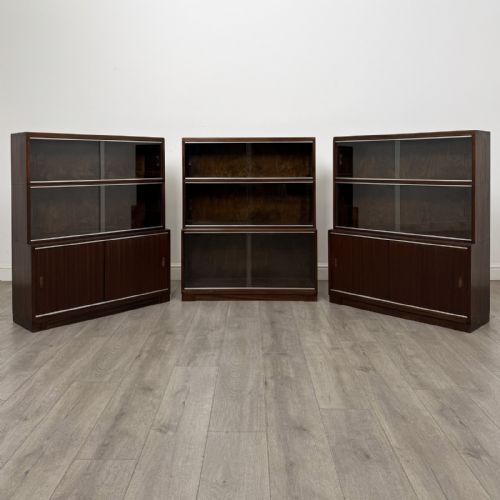
Edwardian and early twentieth century models typically feature solid oak or mahogany with traditional panel moulding and leaded glass details. They lean heavily toward classic architectural revival styles.
Art Deco and nineteen thirties variations introduce cleaner linear profiles, alternate timber finishes like limed oak, and streamlined hardware suited to modern interiors.