
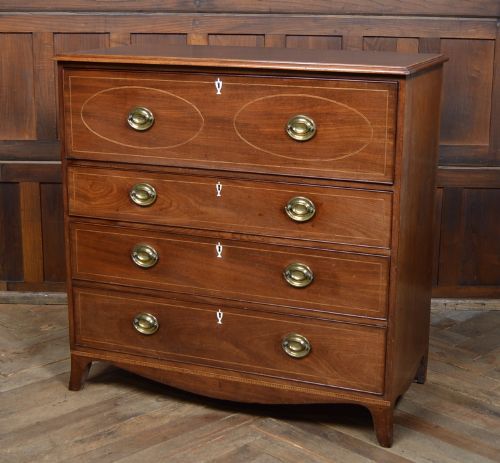


Vintage Secretary Chest
A vintage secretary chest offers a fitted writing surface and concealed drawers, combining practical workspace with refined domestic storage.
Vintage Secretary Chest
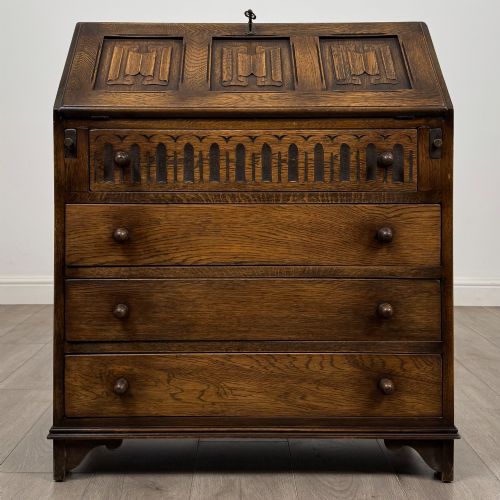
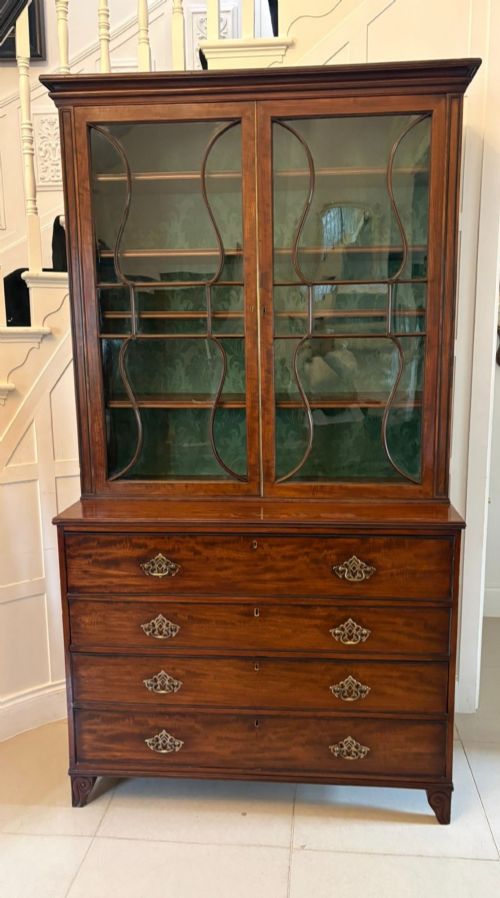
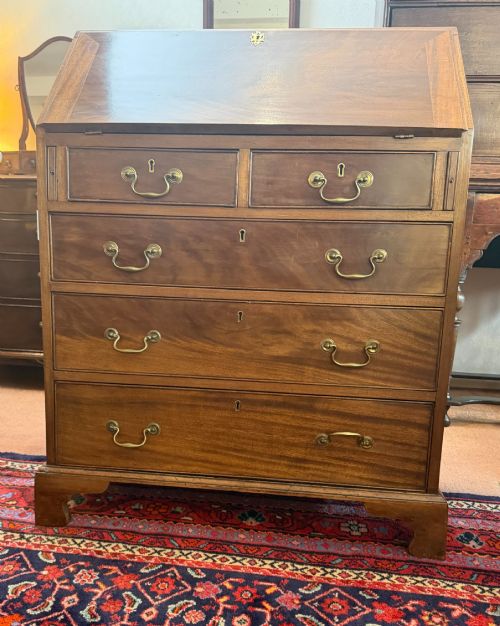
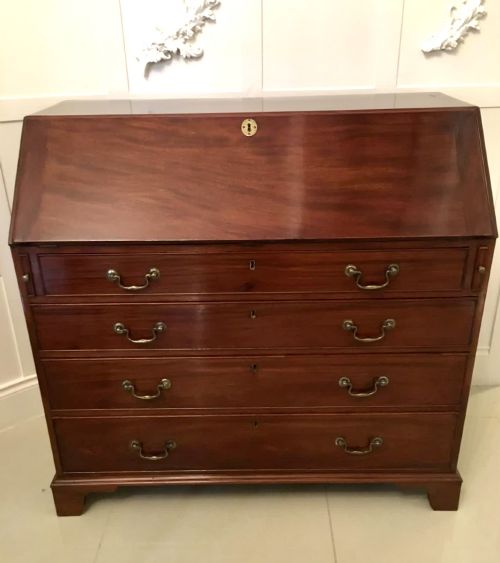
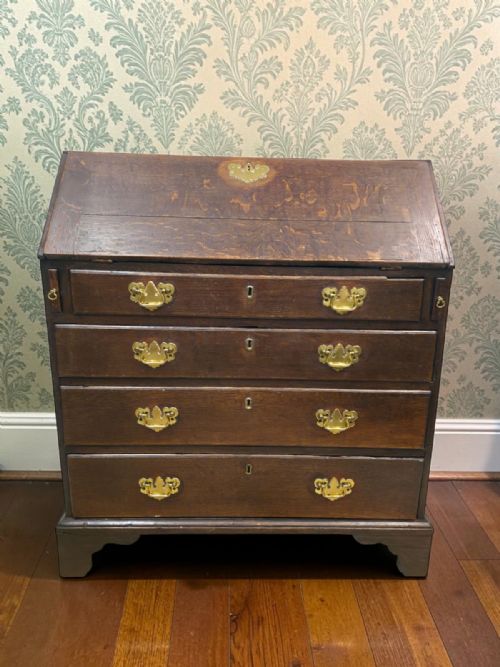
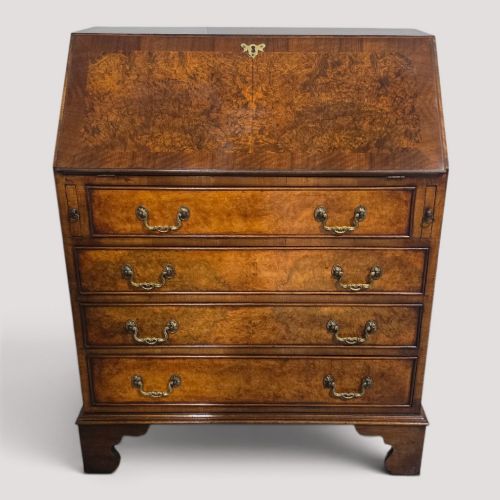
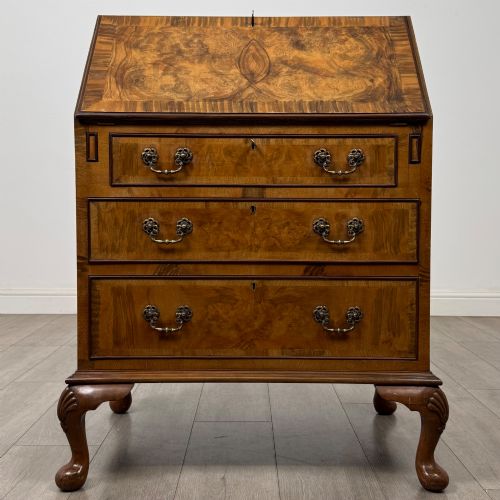
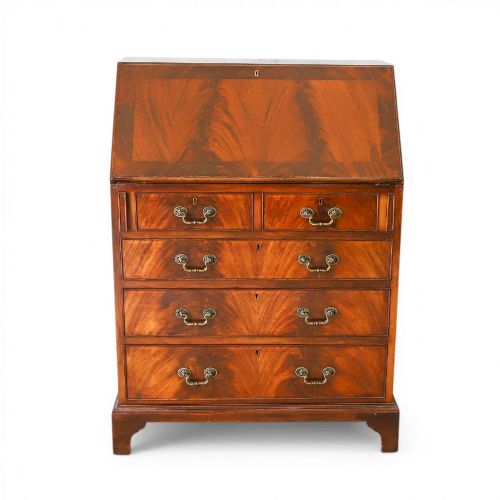
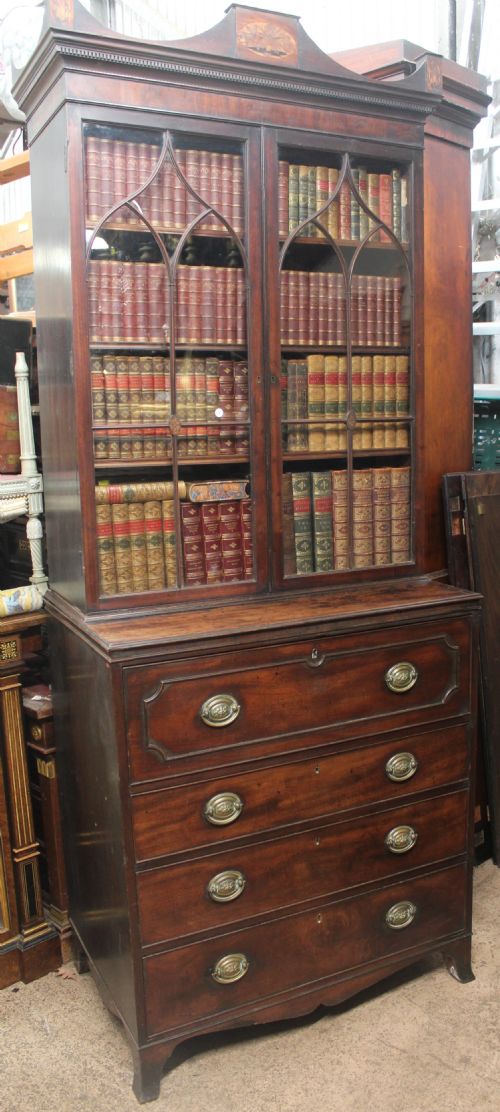
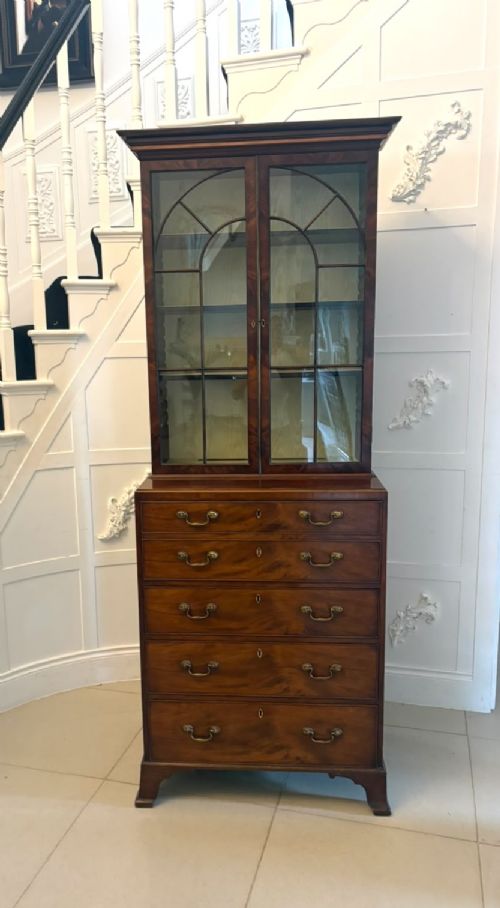
When you search for a vintage secretary chest, you encounter a variety of forms including fall-front bureaux, secretaire bookcases with glazed upper doors, and dedicated secretaire chests of drawers. These pieces range across Georgian, Regency, Edwardian, and twentieth-century periods, showing regional variations from English workshops to Dutch and South German makers.
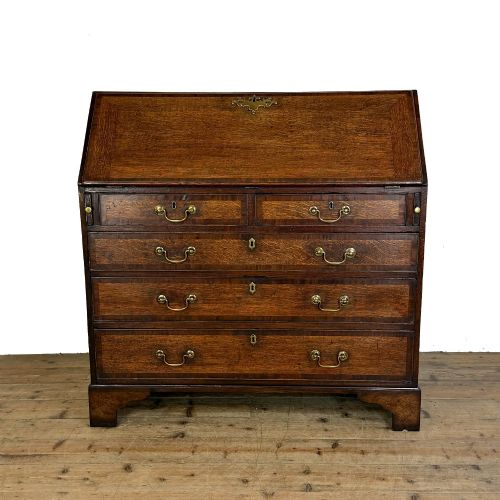
The most common examples on this page are mahogany and oak bureaux from the Georgian and nineteenth-century eras, often featuring fitted internal compartments behind the drop-down writing flap. Alongside these traditional forms, walnut and burr walnut editions appear frequently, carrying stylistic influences from Queen Anne and Dutch Baroque revivals.
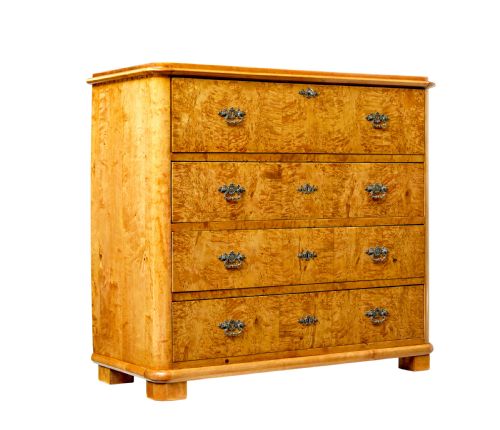
Makers utilised diverse woods like satinwood inlay, elm, burr birch, and pine to construct these practical writing cabinets. Whether selecting a tall bureau bookcase or a compact secretaire chest, each piece provides enclosed shelving or drawer storage combined with a dedicated writing surface.
Construction and materials
Cabinetmakers built these pieces using solid timbers such as oak and mahogany, often applying figured veneers like burr walnut or flame mahogany to the primary surfaces. Brass handles, escutcheons, and hinges secured the drawers and fall fronts, while glass featured prominently in the upper doors of bookcase variants.
Interior fittings relied on intricate joinery to create small drawers, pigeonholes, and secret compartments hidden within the writing space. Inlays of satinwood and marquetry decorated the exterior surfaces of select continental and Georgian examples, demonstrating precise cabinetmaking techniques.
Materials utilised across these items range from solid oak and mahogany to burr walnut, satinwood inlay, elm, and pine.
Assessing quality and craftsmanship
Quality in these writing pieces rests upon the selection of timber figures, such as matched flame mahogany or burr walnut veneers, and the crispness of any inlaid satinwood or marquetry details. Superior examples exhibit tightly fitted internal drawers and pigeonholes that demonstrate meticulous hand-joinery.
Structural integrity depends on the original stability of the fall-front writing slope and the smooth operation of the underlying chest drawers. Pieces with original brass hardware, well-proportioned cornices, and clean glazing bars on bookcase doors generally represent finer workshop production.
Gillows
The Vintage Secretary Chest Glossary
- Bureau
- A desk featuring a sloping hinged lid that drops down to form a writing surface, typically concealing small drawers and pigeonholes inside. This term often interchanges with secretary in historic cabinetmaking.
- Secretaire bookcase
- A tall cabinet combining a writing drawer or fall-front desk compartment with enclosed upper shelving behind glass doors. These dual-purpose pieces served both library and writing functions.
- Fall front
- A hinged writing flap that pulls down into a horizontal position for writing and folds upright to conceal the interior compartments when not in use. It requires sturdy supporting brackets or desk arms.
- Astragal glazed
- A window or cabinet door divided into smaller panes by narrow wooden mouldings called glazing bars. This treatment is common on Georgian and Regency bookcase sections.
- Burr walnut
- Wood taken from the burl growth of a walnut tree, yielding swirling, highly figured grain patterns prized for cabinet veneers. It appears frequently on decorative desk fronts and cabinet doors.
Vintage Secretary Chest: Frequently Asked Questions
How do I use a secretary chest today?
The drop-down flap provides a practical hidden writing desk for a laptop or notebook. Closed drawers and shelving keep papers and everyday items out of sight.
Upper glazed sections on bookcase variants allow you to display books or collections while maintaining an organised workspace in a living room or study.
How can I tell a Georgian piece from a later revival?
Eighteenth-century and early nineteenth-century pieces display authentic construction methods such as hand-cut dovetails, native timber linings, and period brass hardware. The patination on the wood develops naturally over centuries of use.
Revival pieces from the Edwardian era or the nineteen-twenties often employ machine-made elements, lighter interior secondary woods, and styles heavily copied from earlier reigns like Queen Anne or George III.
Where should I place a bureau bookcase?
These tall combination pieces require adequate wall space and sufficient clearance in front for the fall-front writing flap to open fully. Placing them away from direct sunlight protects vulnerable wood veneers.
Because they combine a bookcase and a desk into a single vertical footprint, they suit studies, drawing rooms, or home offices where floor space is limited.