



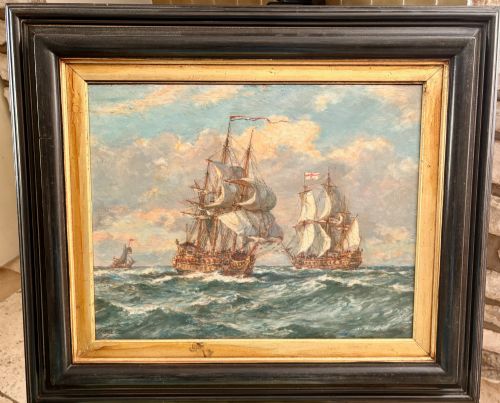
Vintage Seascape Wall Art
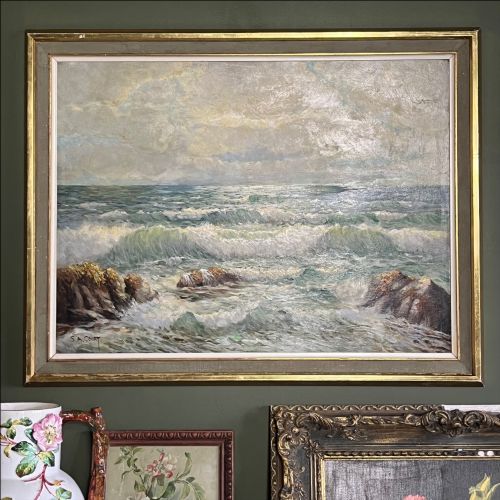
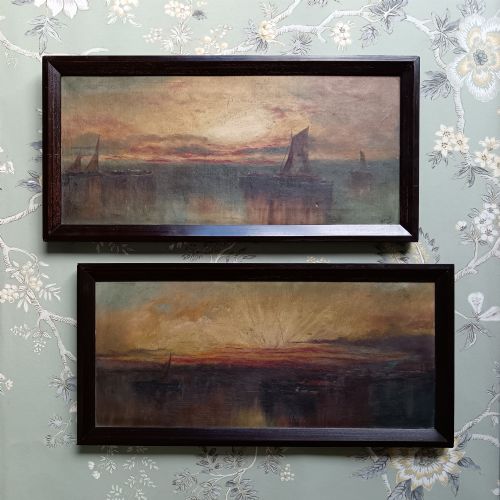
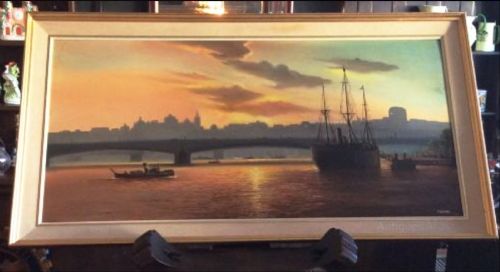
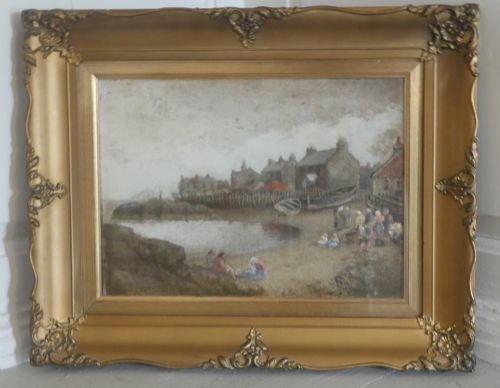
Vintage seascape wall art captures maritime horizons and coastal inlets through historical oil paintings and watercolours.
Vintage Seascape Wall Art
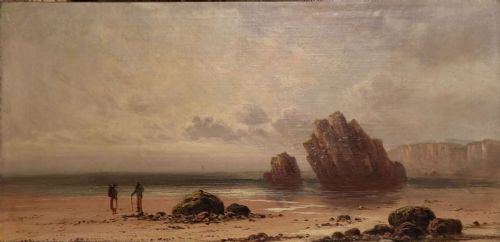
When searching for vintage seascape wall art, collectors encounter framed works spanning the nineteenth, Edwardian, and mid-twentieth centuries. These pieces record coastal topography, harbour scenes, and open ocean navigation across Britain and Europe.
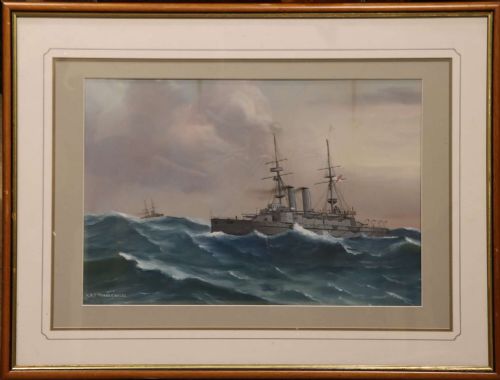
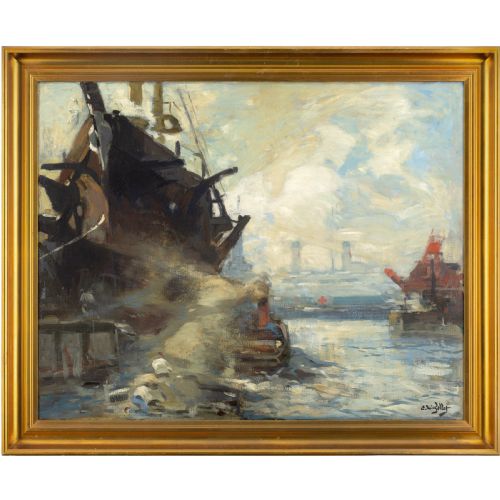
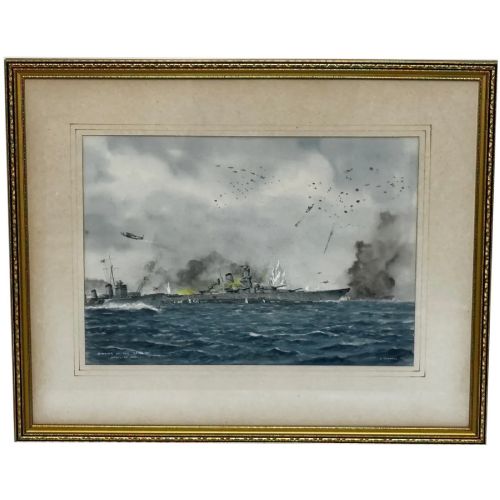
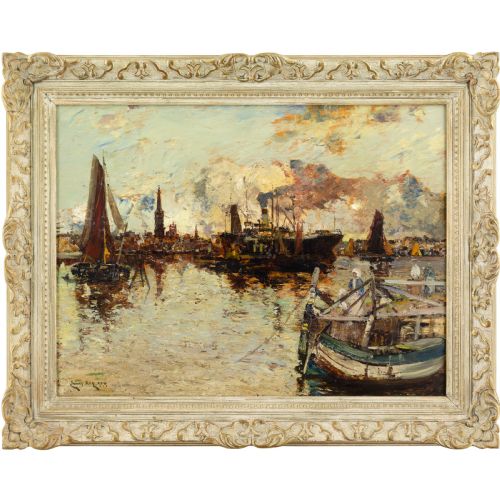
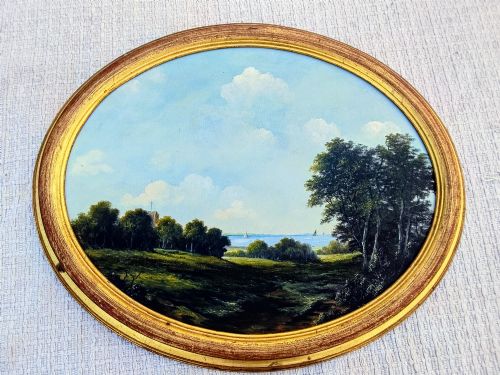
The most common formats on this page are oil paintings on canvas or board and watercolour paintings on paper. Subjects range from quiet Cornish fishing ports and tranquil river estuaries to dramatic storms involving steamships and sailing vessels.
Many items bear the signatures of regional artists or remain attributed to British and European schools of marine art. Original framing in wood and gilt often accompanies the canvas or paper support, preserving the historical character of each piece.
Evaluating Quality in Marine Art
Quality in these works rests on the artist's command of light, maritime architecture, and atmospheric conditions. Skilled painters conveyed the accurate rigging of ships and the natural movement of water rather than relying on formulaic repetition.
The preservation of the original medium heavily influences the standing of a piece. Unrestored oil surfaces with stable pigment and watercolours retaining their original pigmentation without fading represent the higher end of the range.
Materials documented in the collection include canvas, wood, paper, oil paint, watercolour, glass, and gilt.
Eugène-Louis Gillot·William McAlpine·James Kay·Bernard Gribble·Abraham Hulk I·Charles Napier Hemy
The Vintage Seascape Wall Art Glossary
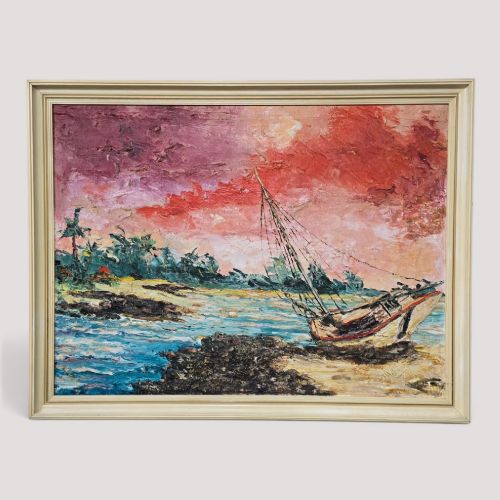
- Impasto
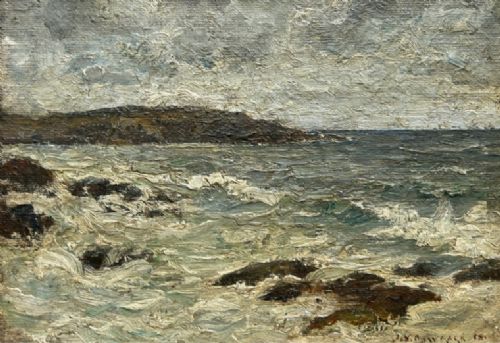
- A technique where paint is laid onto a canvas in very thick areas, making the brush strokes or palette knife marks clearly visible. This method adds tactile three-dimensional depth to crashing waves and turbulent clouds.
- En plein air
- The act of painting outdoors to capture direct observations of natural light and weather. Coastal works created this way often reflect rapid, responsive brushwork.
- Gouache
- An opaque watercolour paint consisting of natural pigment, water, and a binding agent such as gum arabic. It dries to a matte finish and provides solid highlights in maritime scenes.
- Gilt
- A thin layer of gold leaf or gold-coloured paint applied to wooden frames. It accentuates the decorative moulding around the artwork.
Vintage Seascape Wall Art: Frequently Asked Questions
How do I date a vintage seascape painting?
Dating relies on stylistic clues, framing materials, and artist biography records. Clothing styles of figures, types of vessels depicted, and signature formats provide reliable chronological markers.
Backboards, stretcher frames, and paper labels on the reverse often supply additional clues regarding exhibition dates or framing workshops.
Where should I hang maritime art at home?
These works suit spaces with stable humidity levels away from direct sunlight to protect pigments and paper supports. Wall spaces in living rooms or studies allow the narrative details of coastal scenes to be viewed clearly.
Pairing frames with appropriate wall colours helps balance the heavy tones typical of nineteenth and twentieth-century maritime palettes.
What is the difference between oil and watercolour seascapes?
Oil paintings utilise suspended pigments in drying oils on canvas or board, offering rich textures and durable surfaces. Watercolours use water-soluble pigments on paper, creating lighter, more luminous atmospheric effects.
Watercolour paintings require protective glass glazing, whereas oil paintings are typically displayed open to the room.