







Vintage Screen Divider
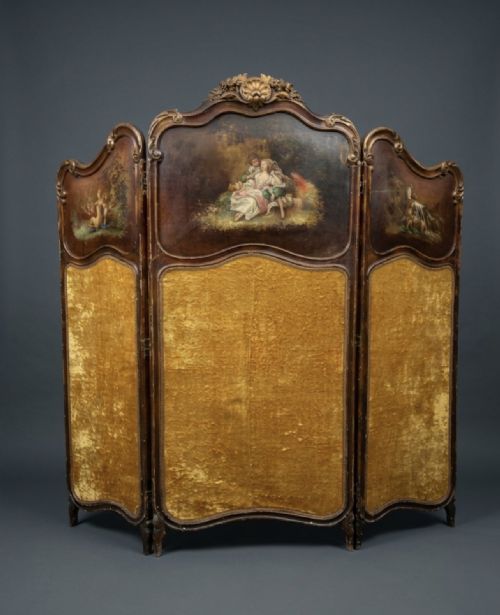
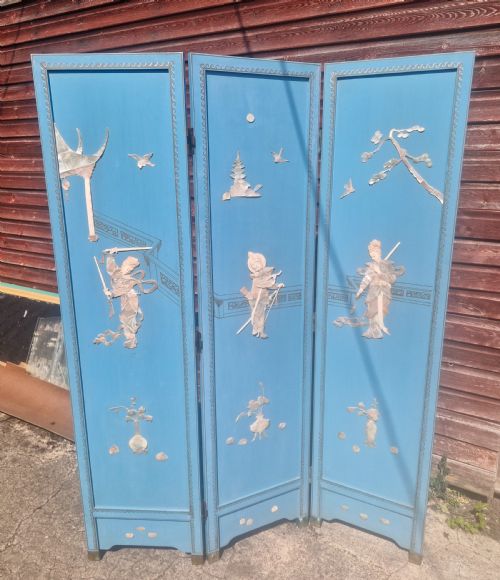
These vintage screen divider pieces shape interior spaces with panels of carved wood, painted leather, and lacquer.
Vintage Screen Divider
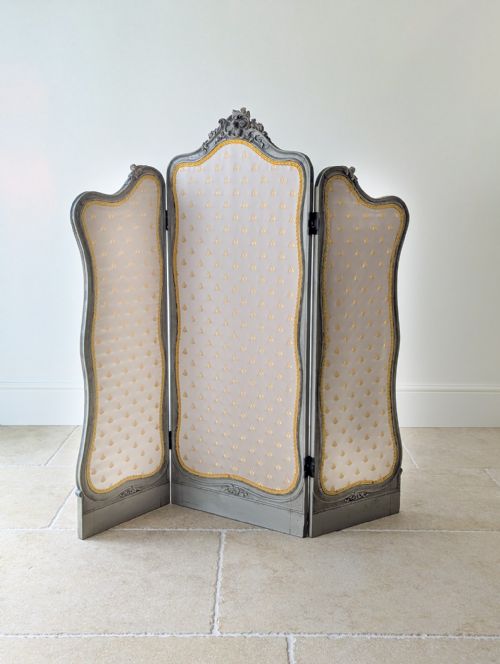
A vintage screen divider operates as a portable partition, creating private zones within large rooms or simply framing a decorative backdrop. The pieces gathered here span multiple panels linked by hinges, ranging from modest dressing screens to tall architectural room dividers.
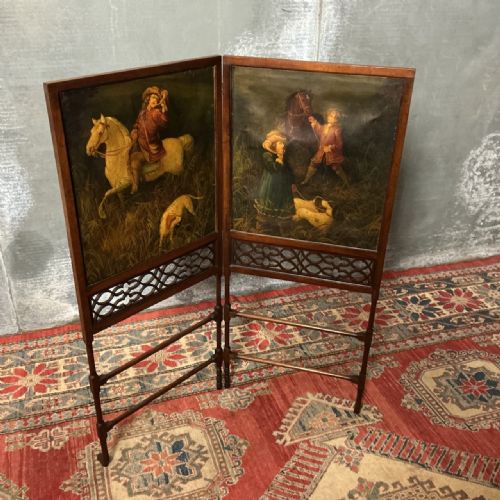
Buyers encounter folding configurations built from three to eight panels, originating across Victorian, Edwardian, and early twentieth-century workshops. Alongside traditional room partitions, the selection includes smaller variations such as fire screens and tabletop items designed for domestic use.
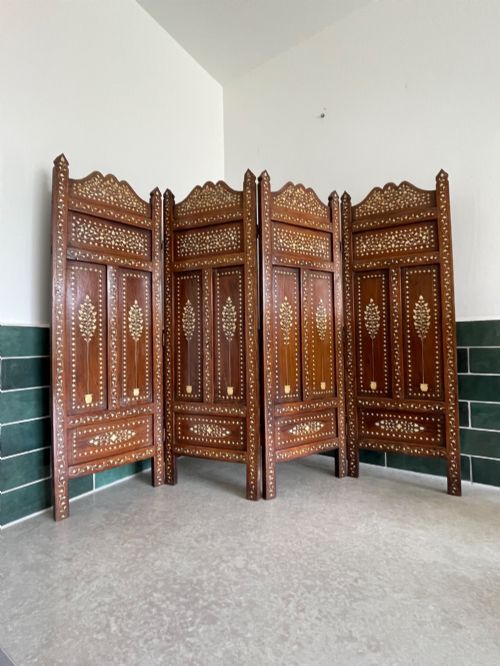
Origin points stretch from English cabinetmakers to French provincial workshops, alongside imported Oriental lacquerware and Anglo-Indian carved timber. This mix reflects how nineteenth and twentieth-century households utilised portable dividers for both draught exclusion and dramatic interior styling.
Materials and construction methods
Frames rely on sturdy timbers including mahogany, walnut, and oak, joined as multi-fold panels to support heavy infills. Artisans utilised brass hinges to allow complete reversibility between folds.
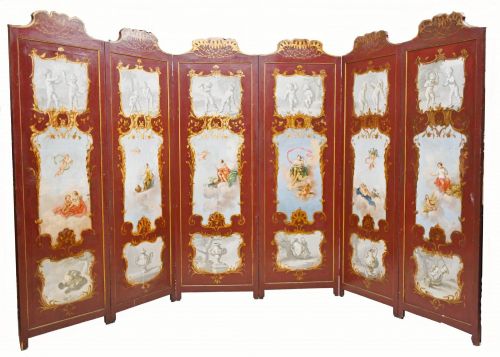
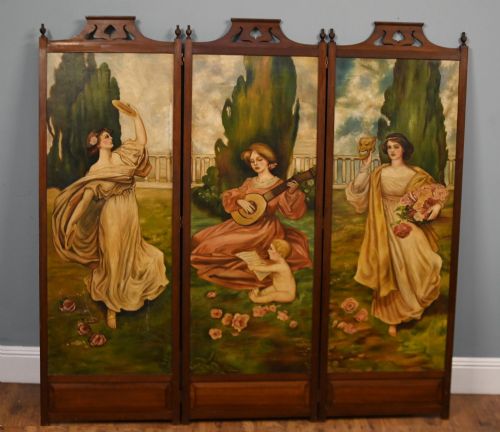
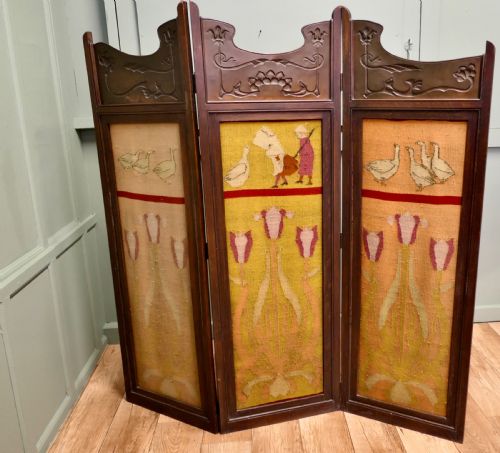
Surface decoration defines the visual weight of these pieces, employing hand-painted oil scenes, embossed leather, and intricate needlepoint fabric. Lacquered finishes incorporate inlaid hardstones or carved wooden motifs to build texture across the panels.
Vintage Screen Divider Retail Price Guide 2026
Typical asking prices for vintage screen divider among the pieces listed under this phrase on Sellingantiques today, from the lower quarter to the upper quarter. They describe what is for sale here now, not the wider market.
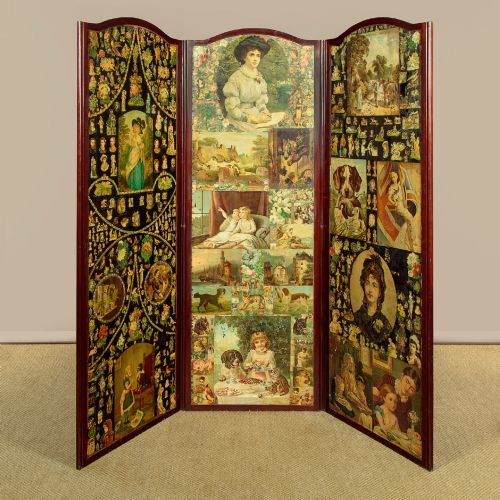
Victorian households loved cutting out scraps for decoupage panels, turning old greetings cards and prints into permanent wall art.
Distinguishing quality across examples
The integrity of the panel joints and the smooth operation of the original hinges dictate the structural longevity of a folding screen. Heavier timber frames demand robust joinery to support dense inserts like leather or glass without sagging.
Artistic execution on the painted or carved surfaces determines the upper tier of craftsmanship. Hand-painted oil panels, detailed lacquer work, and specialised textile inserts demonstrate superior workshop investment compared to simpler printed decorations.
WILLIAM MORRIS
The Vintage Screen Divider Glossary
- Chinoiserie
- European decorative style inspired by Chinese art, commonly seen on lacquered screens with gilded motifs.
- Modesty screen
- A low folding panel historically used in dressing rooms to provide privacy while changing.
- Padauk
- A dense tropical hardwood utilised in Indian and colonial furniture for durability and deep red colour.
- Scrap work
- A Victorian decorative technique involving the application of paper scraps and decoupage onto a folding surface.
- Fire screen
- A small single-panel screen placed in front of a fireplace when unlit to block draughts or decorate the hearth.
Vintage Screen Divider: Frequently Asked Questions
How do I use a room divider in a small space?
Position a multi-fold screen across a corner to create a dedicated reading nook or to conceal a workspace. The portable nature of these pieces allows you to alter room layouts instantly without permanent building work.
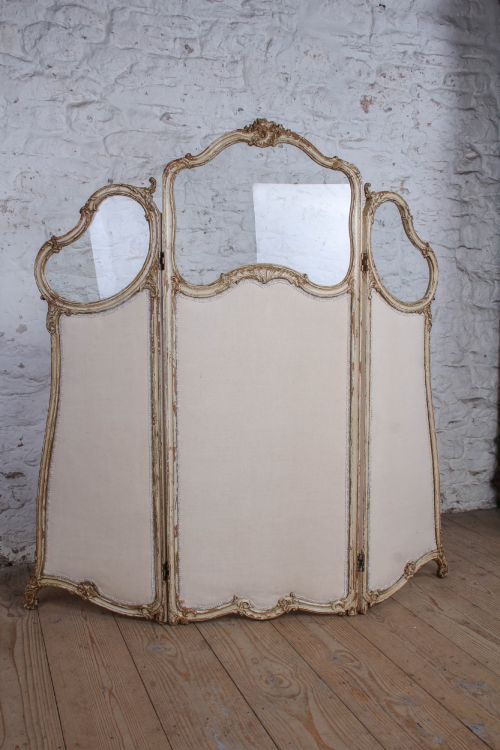
Choose lighter frames with fabric or glass panels if you want to maintain light flow through restricted floor plans. Taller wooden configurations work effectively to block direct lines of sight from doorways into living zones.
Were these screens used exclusively in bedrooms?
While dressing screens found common placement in Victorian and Edwardian sleeping quarters for privacy, heavier folding partitions served reception rooms and parlours. Smaller variations also functioned near fireplaces or dining tables.
In larger houses, screens managed draughts from grand doorways and divided expansive communal spaces into intimate conversation areas. Their versatility meant owners moved them between rooms depending on daily domestic requirements.
What is the difference between an English and an Oriental screen?
English and European examples frequently showcase needlepoint, oil paintings, mahogany frames, or decoupage reflecting prevailing domestic revival styles. These often align with Victorian or Arts and Crafts interior aesthetics.
Oriental screens typically feature deep black or coloured lacquer, hand-carved wooden dragons, or applied hardstone details. These imported pieces brought distinct Asian motifs into European drawing rooms during the late nineteenth and early twentieth centuries.