





Vintage Scottish Fine Art
Vintage scottish fine art gathers oils, watercolours and sculptural works that record northern landscapes and portraits through the nineteenth and twentieth centuries.
Vintage Scottish Fine Art
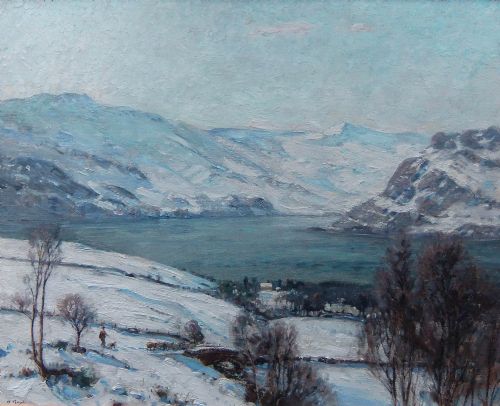
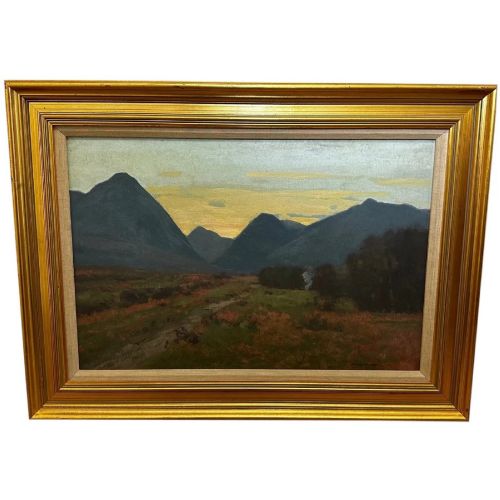
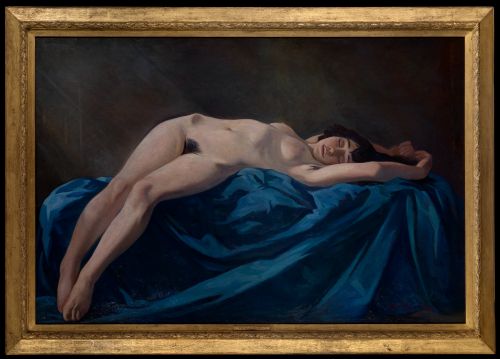
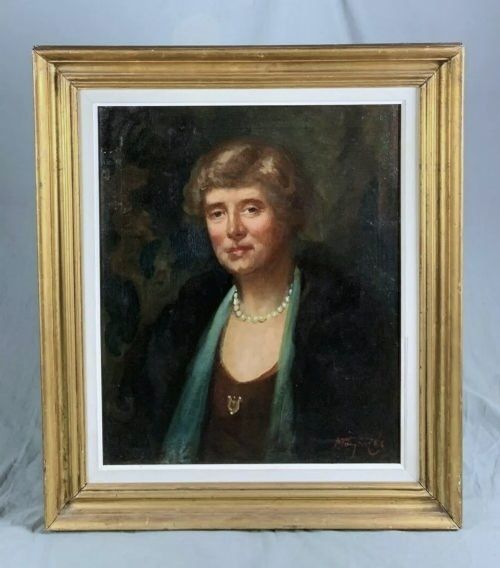
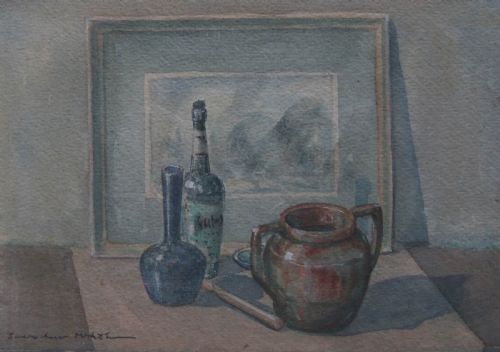
Vintage scottish fine art encompasses oil paintings on canvas and wood panel, alongside watercolours and occasional sculptural pieces originating from the nineteenth and twentieth centuries. Buyers searching for vintage scottish fine art encounter landscape and portrait subjects executed during periods spanning Victorian output through to mid-century modernism. The selection frequently presents works by recorded Scottish School painters and associated academies.
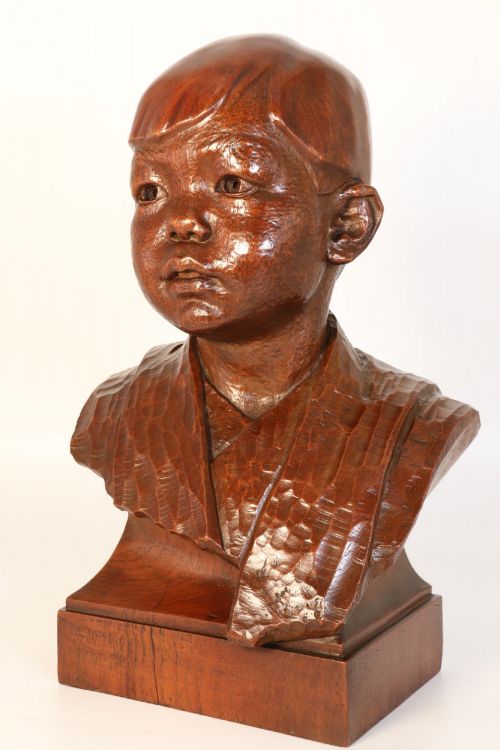
The physical forms vary from intimate panel studies of Highland valleys to large canvases depicting coastal harbours and urban street scenes. Alongside framed paintings, related decorative objects such as carved walnut busts and glassware appear within the wider grouping. Each piece reflects the specific regional palette and academic traditions of its period.
Materials and technique
Makers utilised oil paint applied to stretched canvas, primed wooden panels, and paper supports for the majority of these painted works. The application ranges from smooth academic brushwork to textured impasto characteristic of Scottish Impressionism and Post-Impressionism. Giltwood framing often accompanies the canvases, providing traditional presentation for the imagery.
Sculptural examples employ carved walnut, whilst associated decorative pieces utilise coloured glass and painted ceramics such as Wemyss ware. These media demand specialist handling and distinct preparation methods depending on whether the support is rigid wood or flexible fabric.
Vintage Scottish Fine Art Retail Price Guide 2026
Typical asking prices for vintage scottish fine art among the pieces listed under this phrase on Sellingantiques today, from the lower quarter to the upper quarter. They describe what is for sale here now, not the wider market.
Certain canvas corners hide unexpected terrier portraits peering out from beneath Highland mists.
Markers of distinction
The standard of execution depends upon the surety of the brushwork and the artist's command of light and atmosphere within the composition. Works by formally elected members of royal societies generally demonstrate superior draughtsmanship and more resolved tonal balance compared to anonymous studio pieces.
Provenance and documentation also separate standard examples from finer works, particularly when exhibition histories or signature verification are present. The preservation of the original surface, uncompromised by heavy restoration, maintains the integrity of the piece.
Tom Campbell·George Houston·Eric Robertson·Charles James McCall·George Henry Paulin·Archibald Kay·John A. Houston·John Douglas Perrett·Joseph Farquharson·William McCance·George Melvin Rennie·James Torrington Bell·Hirst Walker·Owen Bowen·Alfred de Breanski Sr.·Emily M. Paterson·James Kerr McArthur·John McGhie·John B. MacDonald·Allan Douglass Mainds·George Neil·Cowan Dobson·Julius Caeser Ibbetson
The Vintage Scottish Fine Art Glossary
- Oil on Canvas
- Pigment mixed with drying oil applied to a woven fabric support stretched across a wooden frame. This medium allows for rich colour blending and textured applications.
- Wood Panel
- A rigid wooden board utilised as a painting support before canvas became standard. Panels offer a stable surface that resists the slackening common to fabric supports.
- Watercolour
- A painting method where water-soluble pigments are suspended in a water-based solution, typically applied to paper. It produces transparent washes and luminous effects.
- Impasto
- Paint laid thickly on a surface so that the brush or palette knife marks remain visibly prominent. This technique adds literal three-dimensional texture to the canvas.
- Giltwood
- Wood that has been decorated with a thin layer of gold leaf or powder. It frequently appears on the decorative frames enclosing traditional paintings.
Vintage Scottish Fine Art: Frequently Asked Questions
How do I date a vintage scottish oil painting?
Dating relies upon stylistic markers, costume details in portraits, and recorded biographical dates of the artist. Framing styles and canvas stamps can also provide supplementary chronological clues.
Comparison with documented works from the same regional school helps narrow the decade of production when a direct signature or date is absent.
Where should I hang an oil painting?
Paintings require placement away from direct sunlight and excessive humidity fluctuations to protect the canvas and paint layers. Stable interior walls support the structural integrity of both the frame and the support.
Avoid positioning works directly above active heat sources that might dry out the wood panels or crack the pigment.
How do I clean a framed painting?
Dust should be removed gently from the frame and glass using a soft, dry brush without applying pressure to the canvas. Professional conservators should handle any cleaning of the painted surface itself.
Water or chemical cleaners applied directly to the canvas can cause permanent damage to the pigment and priming layers.
What defines the Scottish Impressionist style?
This approach involves loose brushwork, vibrant colour palettes, and an emphasis on capturing transient effects of natural light outdoors. Artists influenced by continental movements adapted these techniques to northern landscapes.
The resulting works prioritise atmospheric mood over strict academic realism.