


Vintage Scientific Display
These vintage scientific display pieces combine practical utility with striking form, bringing authentic laboratory and observatory instruments into domestic interiors.
Vintage Scientific Display
When you search for vintage scientific display, you encounter instruments and apparatus originating from the Georgian, Victorian, and Edwardian eras through to the mid-twentieth century.
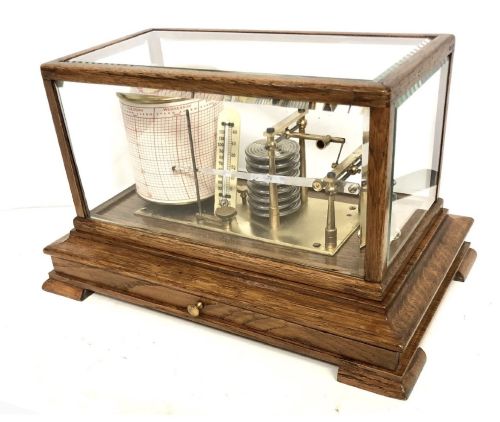
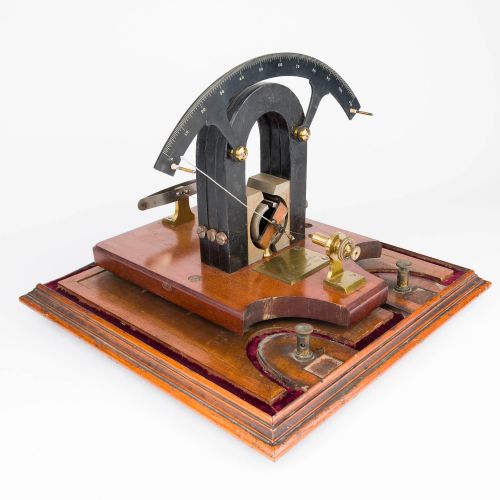
The selection on this page centres heavily on barographs, barometers, and telescopes, alongside specialised apparatus such as verification balances, test glass kits, and demonstration models.
Most pieces combine functional utility from their working lives with tactile materials suited to interior display.
How they were made
Maker workshops utilised durable timbers such as mahogany, oak, and walnut to house delicate mechanisms, often incorporating bevelled glass panels to permit clear observation.
Metal components rely on brass, iron, and gilt brass, frequently paired with dressed leather, paper charts, and hand-etched scales to record scientific measurements.
Construction methods range from precision optical assembly in London and Paris workshops to robust industrial housing for trade and municipal use.
An anatomical elbow joint model lets you peer inside human mechanics without sitting through a single medical lecture.
What varies in quality
Quality rests in the precision of the maker's hand, distinguishing standard commercial instruments from specialised apparatus signed by notable makers and scientific houses.
The integrity of the housing matters greatly, with superior examples retaining original bevelled glass, unblemished timber cases, and legible signed inscriptions on dials or brass plates.
Complexity of function also divides the range, separating simpler single-purpose gauges from intricate multi-drum barographs and specialised educational models.
G. Adam of Paris·Cary London·De Grave, Short, & Co·Negretti & Zambra·Max Kohl Germany·Aitchison·Heinrich Daniel Ruhmkorff·Educational & Scientific Plastics Ltd·Jules Richard of Paris·John Gilbert
The Vintage Scientific Display Glossary
- Barograph
- A self-recording barometer that plots atmospheric pressure over time on a paper chart. It is typically housed in a timber case with glass panels.
- Geissler tube
- A sealed glass tube used to demonstrate electrical discharge through gases. It reveals glowing visual effects under high voltage.
- Hypsometer
- An instrument used to calculate altitude by measuring the boiling point of a liquid. It relies on atmospheric pressure variations.
- Spyglass
- A small, portable refracting telescope. These pieces frequently feature leather-dressed brass barrel sections.
Vintage Scientific Display: Frequently Asked Questions
How do I care for a vintage barograph?
Keep the instrument away from direct heat sources and strong sunlight to protect the wooden case and paper charts. Dust the glass panels gently with a soft, dry cloth.
Avoid moving the mechanical drum roughly, as the delicate internal arms require careful handling to remain correctly calibrated.
Are these scientific instruments still accurate?
While many barometers and barographs show general atmospheric changes, they are primarily displayed as decorative historical objects rather than precision meteorological tools.
Over decades, internal linkages and atmospheric cells can drift, meaning they often require professional calibration if strict measurement is desired.
How do I identify the date of a telescope?
Examine the materials and any engraved signatures on the brass draw tubes. Georgian and Victorian pieces often feature hand-engraved maker details and tapered barrel construction.
Edwardian examples frequently incorporate leather dressings and simpler portable formats suited to field use.
Where should I place scientific display items?
These pieces suit studies, libraries, and living spaces where their timber cases and brass components contrast well with books and dark furniture.
Ensure they sit on stable, level surfaces away from heavy vibrations, particularly delicate items like beam scales and barographs.