







Vintage Medical Curiosities
Vintage medical curiosities gather science, anatomy and dark history into objects that reward close study on any shelf.
Vintage Medical Curiosities
Vintage medical curiosities span anatomical models, scientific instruments and specimen displays rooted in clinical practice and natural history. When you explore vintage medical curiosities on this page, you encounter items ranging from framed anatomical prints to wax heads and human bone specimens.
The selection leans heavily toward nineteenth century pieces alongside French eighteenth century engravings and early twentieth century teaching models. These objects served initially in classrooms, surgeries and lecture halls before finding a second life among collectors of the unusual.
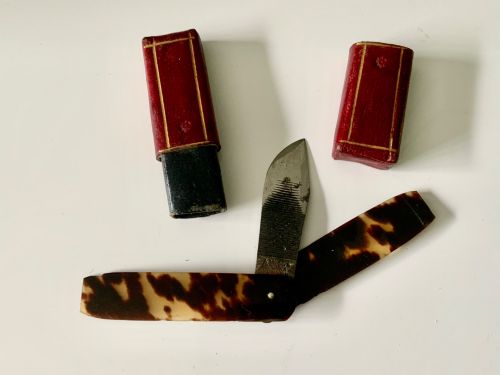
Most items combine utility with stark visual presence, whether through a veterinary vaccinating lancet or a set of skeleton engravings. They reflect centuries of medical discovery and the persistent human drive to map the physical body.
How they were made
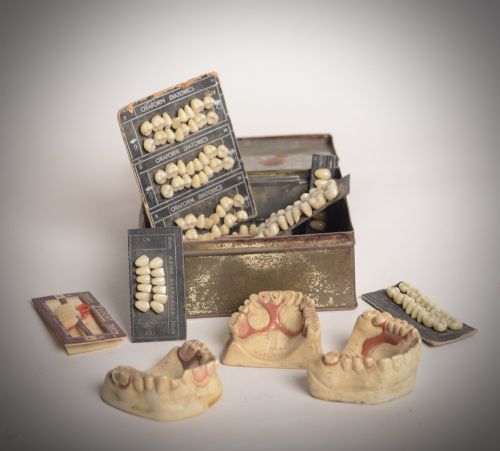
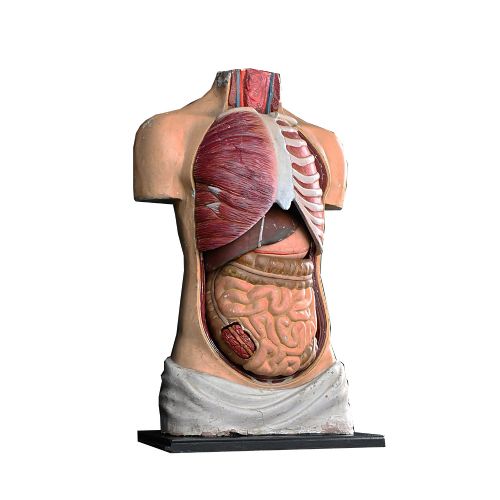
Makers shaped these pieces using glass, wood, bone, paper and metal alongside plaster and wax. Anatomical models often combined moulded plaster or wax with hand painted details to mimic tissue and bone.
Paper items rely on copperplate engraving and lithography, producing detailed charts and book plates such as the works by W and A K Johnston. Glass and metal came together in apothecary bottles and complex electro therapy devices.
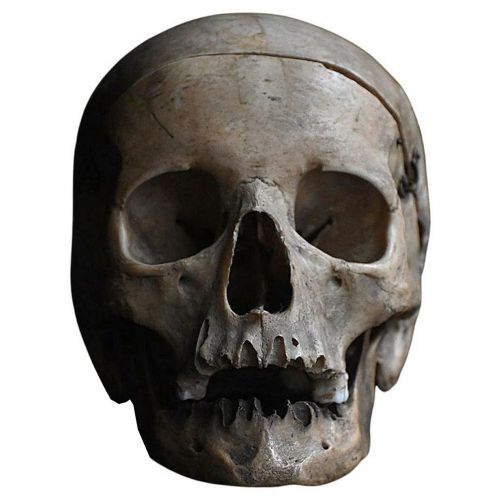
Organic materials like bone and human skull specimens required careful cleaning and preparation, while instruments required precision metalworking suited to clinical use.
Listings feature items spanning the eighteenth, nineteenth and twentieth centuries, using materials from hand coloured paper to carved bone.
What varies in quality
Quality rests on the preservation of fragile materials like wax and paper, which suffer from light and heat over decades. Original paint on anatomical models and clarity of print on charts separate standard teaching aids from superior examples.
Complexity of construction also dictates worth, as seen in multi part anatomical torsos or complete sets of engravings rather than single plates. Complete provenance and legible maker markings or dates add authority to scientific instruments and devices.
W and A K Johnston·Jan Wandelaar·Educational and Scientific Plastics Ltd
The Vintage Medical Curiosities Glossary
- Vaccinating lancet
- A small surgical blade designed for administering vaccines in human or veterinary practice. These instruments often folded into protective bone or metal handles.
- Electro therapy device
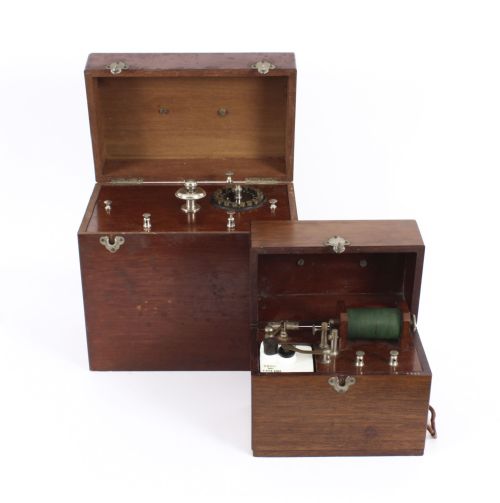
- An electrical apparatus used in early physical medicine and clinical treatments. Such machines typically feature glass components, wooden bases and metal terminals.
- Apothecary bottle
- A glass vessel used by pharmacists and doctors to store medicines, powders and chemical compounds. They often retain paper labels or ground glass stoppers.
- Enlightenment
- An eighteenth century intellectual movement that fostered rationalism and scientific inquiry, directly influencing the production of detailed anatomical charts and engravings.
Vintage Medical Curiosities: Frequently Asked Questions
What are vintage medical curiosities?
Vintage medical curiosities are historical objects derived from medicine, science and anatomy, including teaching models, surgical instruments and biological specimens.
They offer a direct link to the history of science and education, serving as striking decorative pieces for modern interiors.
How do I date an anatomical model?
Dating relies on the materials used, such as early nineteenth century wax versus mid twentieth century plastics, alongside any maker marks or stamps.
Catalogues and comparative study of known manufacturing periods help narrow down the decade of production.
Are human bone specimens legal to own?
Human osteological specimens appear in historical collections and educational contexts, subject to regional laws and ethical considerations regarding human remains.
Collectors should verify the origin and legal status of any bone or skull specimens before acquisition.
How should I display medical antiques?
Medical antiques benefit from stable environments away from direct sunlight and excessive humidity to protect fragile materials like paper, wax and bone.
Enclosed glass cabinets protect delicate teaching models and instruments while allowing clear visibility for observation.