



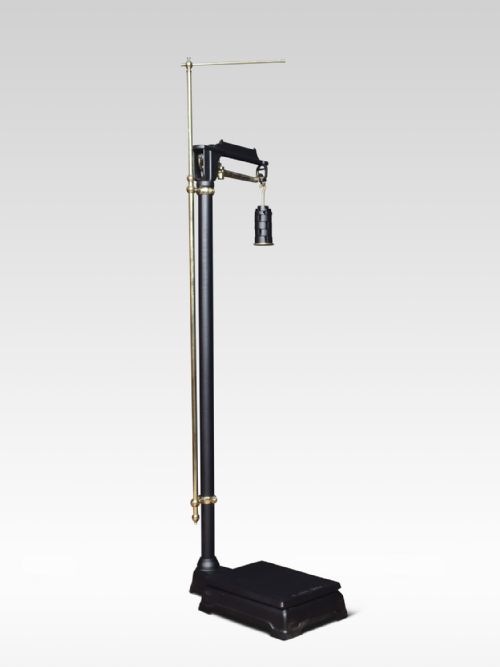


Vintage Medical Equipment
Vintage medical equipment comprises tangible fragments of clinical history, offering collectors heavy brass instruments, mahogany cabinets and cast iron chairs that speak to past practice.
Vintage Medical Equipment
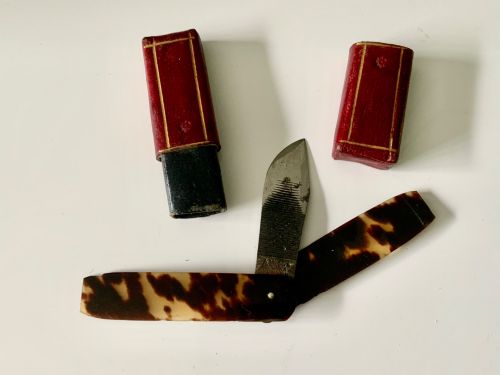
When you search for vintage medical equipment, you encounter utilitarian devices, surgical instruments and clinical furnishings spanning the nineteenth and early twentieth centuries. These pieces encompass everything from delicate leather-cased veterinary field kits and optometrist sets to heavy cast iron dentist chairs and doctor scales.
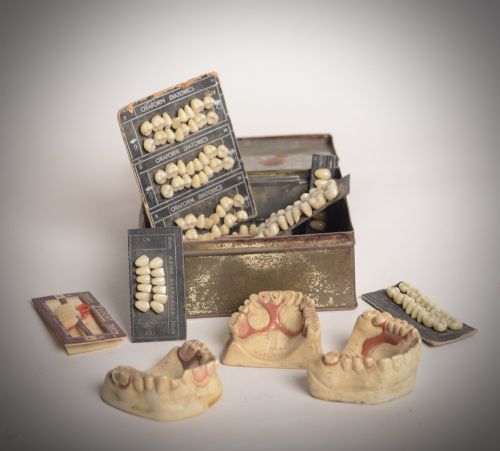
The objects appearing on this page range from Regency period cupping sets and Victorian amputation saws to 1940s dentist samples and electrotherapy devices. Most pieces originate from British, French and American workshops, reflecting the rapid evolution of clinical and surgical practice across different eras.
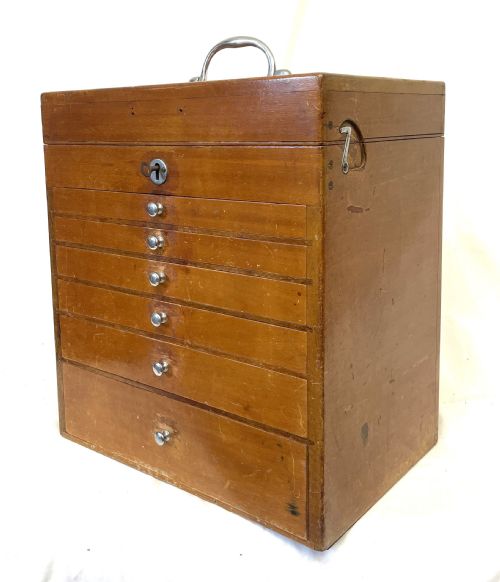
Collectors generally encounter these items in the form of tabletop cabinets, scientific instruments, apothecary tools and specialised surgical apparatus. Each object retains the specific material honesty of its working life, whether housed in polished mahogany or framed in industrial cast iron.
How they were made
Makers of vintage medical equipment relied heavily on durable combinations of brass, steel, mahogany and leather to construct apparatus meant to withstand rigorous clinical environments. Surgical saws and lancets utilised hardened steel for precision edges, paired with ebony handles or brass fittings.
Storage solutions such as apothecary cabinets and instrument cases demanded fine cabinetmaking skills, utilising mahogany and oak joined with precision hardware. Leather was frequently moulded and lined with velvet to secure delicate glass vials, lenses and optical instruments within protective transport boxes.
Listings feature periods from the early nineteenth century through to 1940, utilising brass, mahogany, steel, leather, glass, cast iron and tortoiseshell.
What varies in quality
The distinction between ordinary and superior pieces rests on the integrity of the materials, the precision of the mechanics and the presence of original maker signatures. Instruments bearing legible stamps from notable makers or supply houses demonstrate higher workshop standards than unsigned equivalents.
The completeness of fitted wooden cases and the retention of original components significantly alter the character of a piece. Examples that retain their matching glass inserts, intact leather linings and original surface patination present a more complete historical record.
John Millikin·Maw·Gardner Edinburgh·Fairbanks Scale Co
The Vintage Medical Equipment Glossary
- Cupping set
- A collection of glass or metal cups and scarificators utilised in nineteenth-century bloodletting practices. These sets are typically housed in fitted wooden boxes lined with velvet or silk.
- Tonsillotome
- A specialised surgical instrument designed for tonsillectomy procedures, often featuring an ebony handle and a guillotine blade mechanism. Examples from the Victorian era demonstrate precise mechanical action.
- Apothecary cabinet
- A small wooden chest containing multiple drawers for storing medicines, samples or medical equipment. These cabinets frequently feature brass pulls and dovetailed joints.
- Electrotherapy device
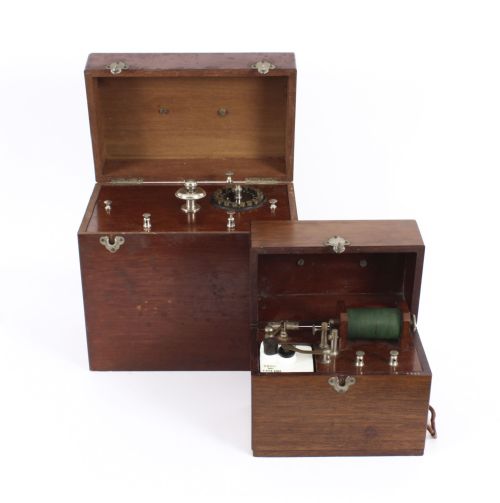
- An electrical apparatus utilised in early twentieth-century medical treatments, often mounted in a wooden case with dials and terminals. These devices reflect early explorations into electrical medicine.
Vintage Medical Equipment: Frequently Asked Questions
What periods do these pieces come from?
The items span the nineteenth century up to the 1940s, encompassing Regency, Victorian, Edwardian and early twentieth-century periods. Each era displays distinct manufacturing techniques and material choices reflecting the medical standards of the time.
Changes in clinical practice drove the evolution of these designs, moving from ornate brass and mahogany field kits toward industrial cast iron and standardised utility pieces.
How were apothecary cabinets used?
Apothecary cabinets served as storage units for medicines, samples, powders and small clinical instruments in doctors' surgeries and pharmacies. Multiple drawers allowed practitioners to organise contents systematically.
These pieces were typically kept on tabletops or consulting room desks for immediate access during patient consultations.
How do I identify a Victorian medical set?
Victorian medical sets often feature polished mahogany or walnut cases with brass corners, fitted interiors and handwritten trade labels inside the lid. The instruments themselves frequently display engraved maker marks and quality metalwork.
Examining the construction methods, such as hand-cut dovetails on boxes and forged steel components, helps confirm the period of manufacture.