


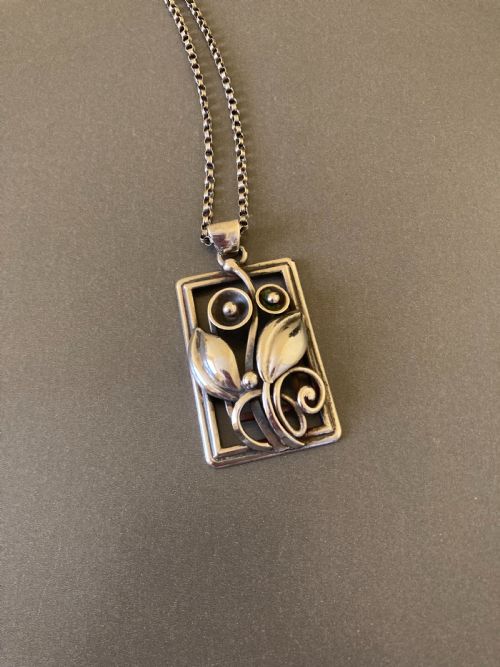
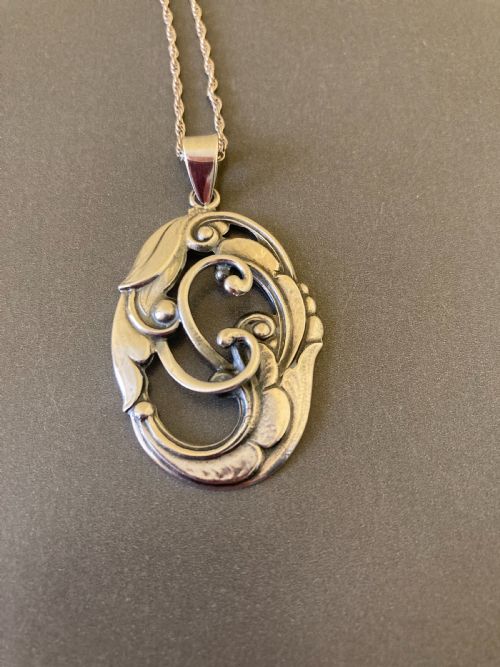
Vintage Scandinavian Silver Jewellery
Vintage scandinavian silver jewellery brings together clean modern forms, vibrant enamel work and solid sterling silver from Northern European workshops.
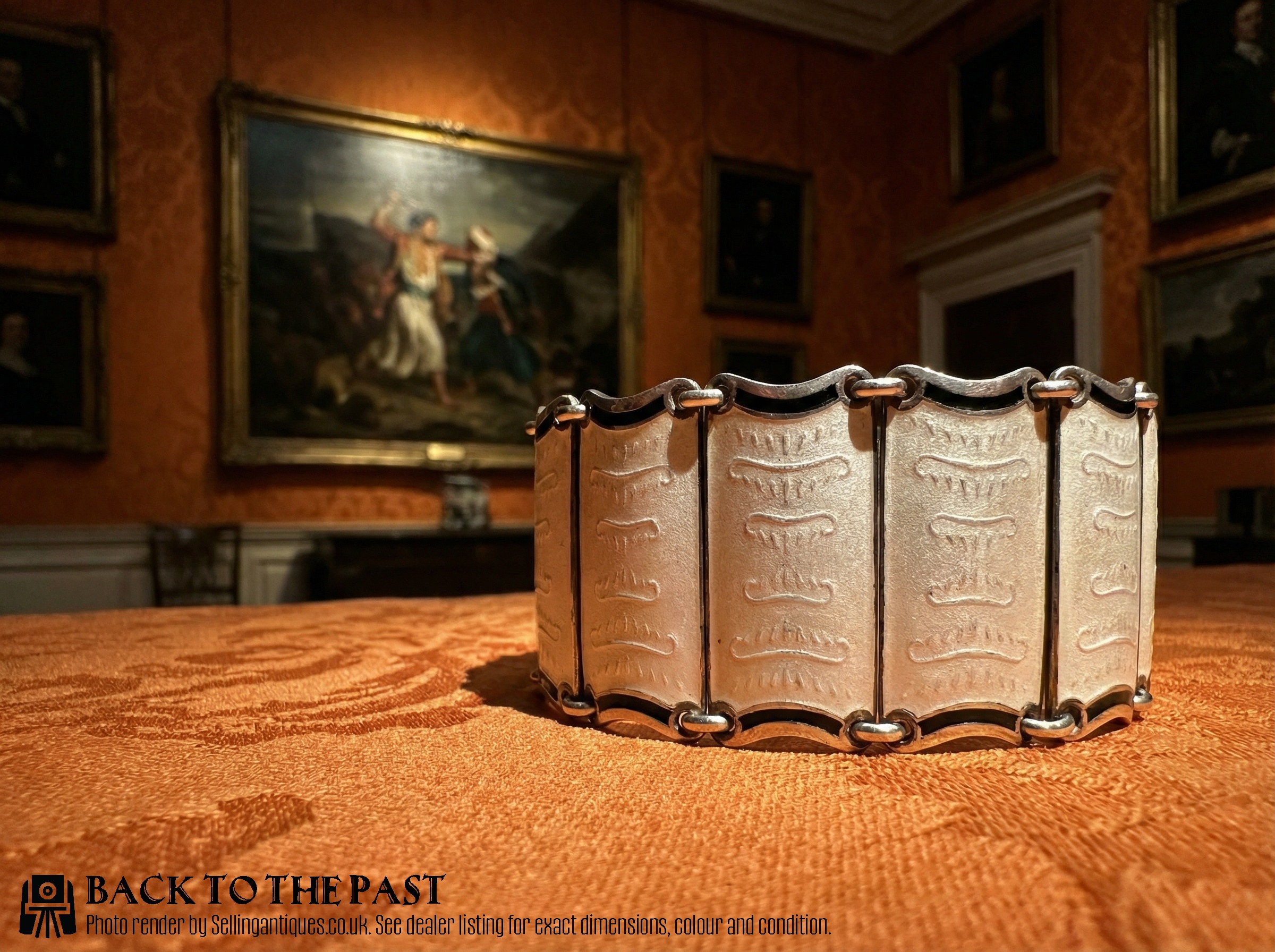
Vintage Scandinavian Silver Jewellery
Vintage scandinavian silver jewellery encompasses wearable ornaments produced across Denmark, Norway, Finland and Sweden during the twentieth century. The selection leans heavily towards brooches, pendants and necklaces reflecting Mid-Century Modern and earlier decorative movements.
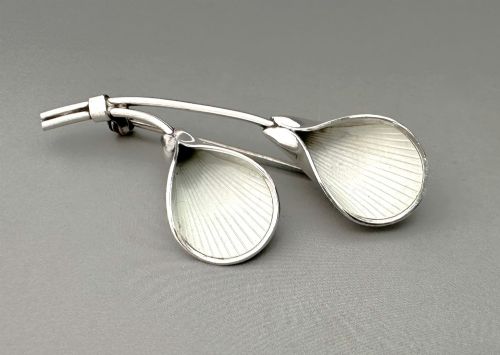
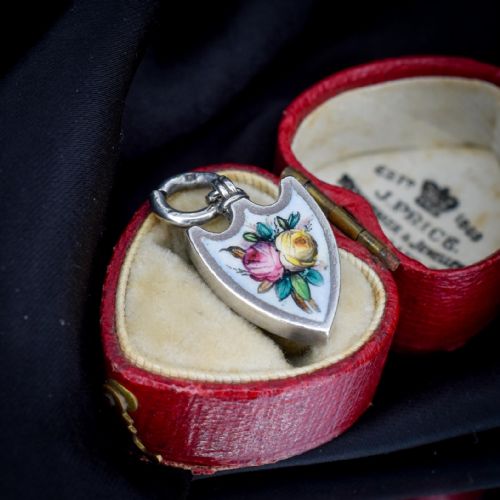
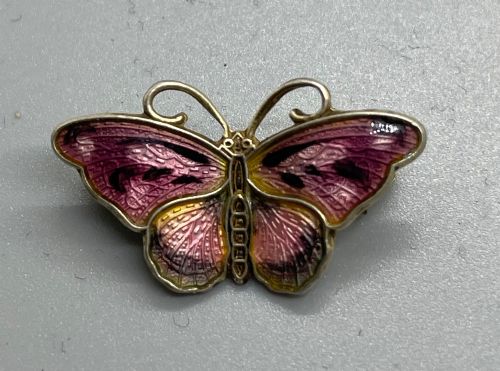
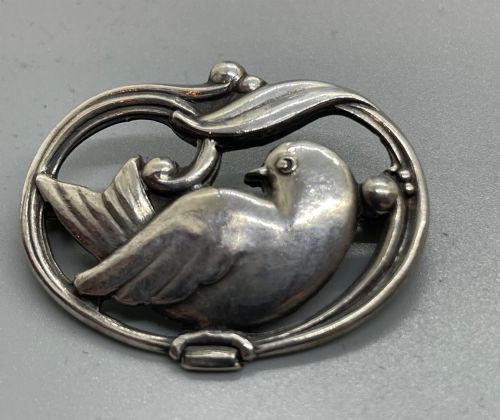
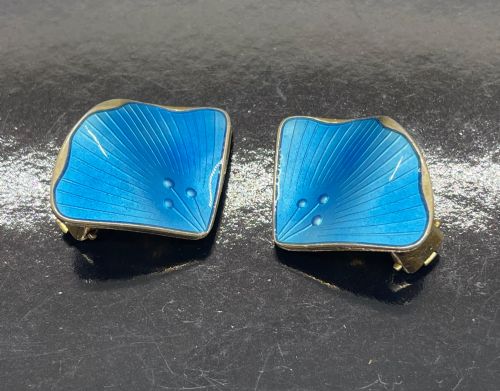
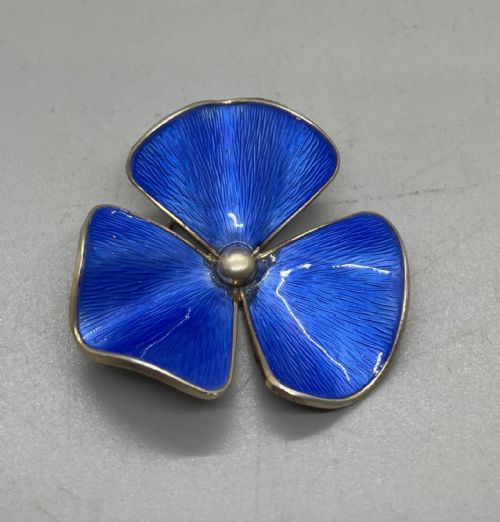
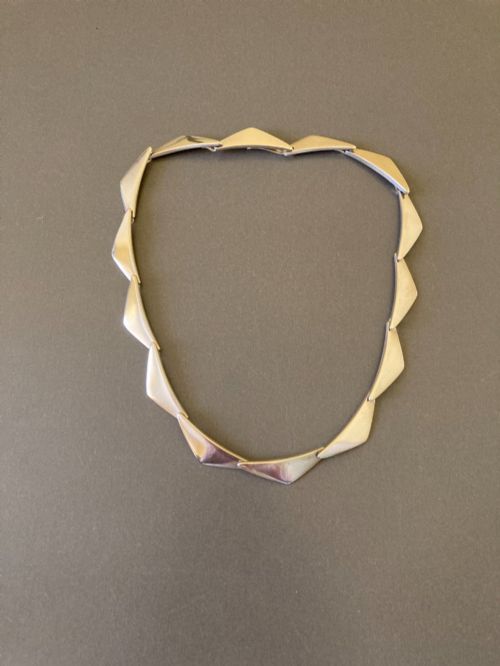
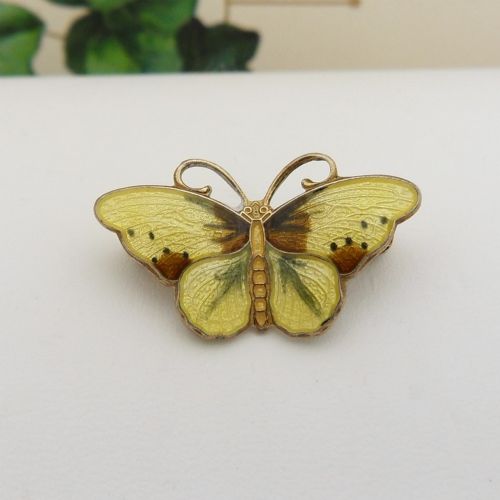
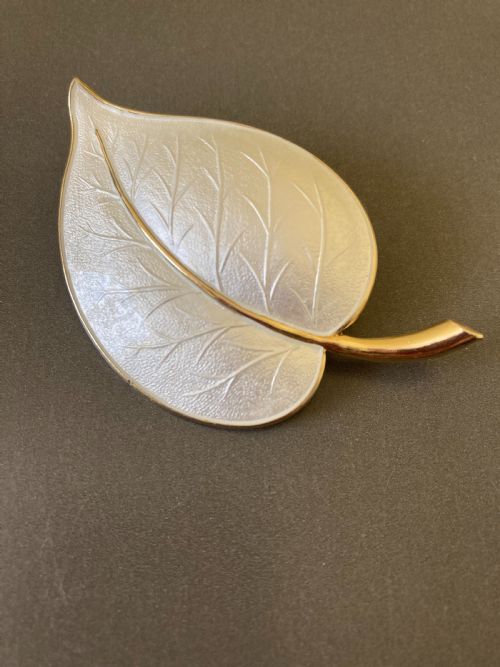
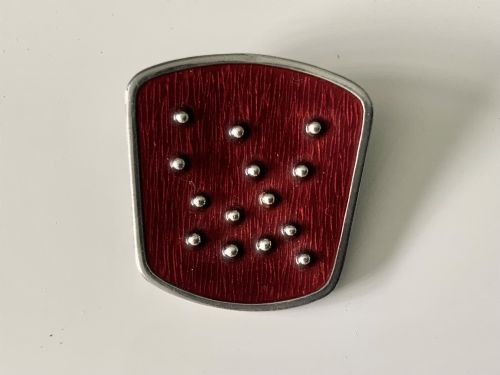
Buyers frequently encounter pieces combining sterling silver with brightly coloured vitreous enamel, particularly butterfly and floral motifs originating from Norwegian workshops. Danish designs often showcase sculptural sterling silver forms without enamel, ranging from geometric bangles to organic plant shapes.
The objects span multiple decades from the early nineteen-hundreds through to the nineteen-sixties and beyond, taking the form of rings, bracelets, earrings and dressing table boxes alongside traditional neckwear.
How they were made
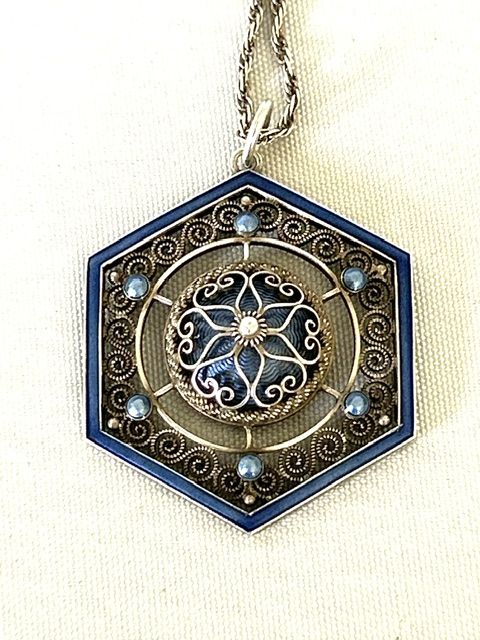
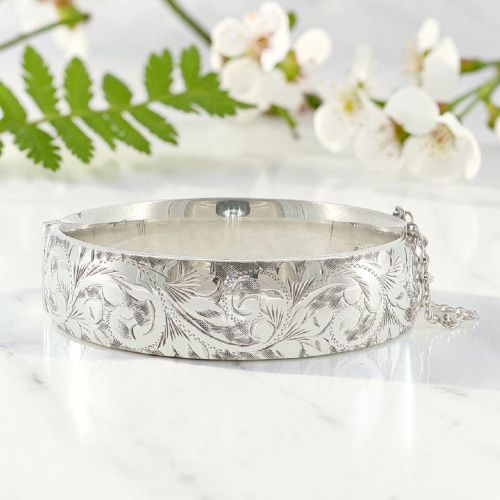
Silversmiths utilised sterling silver and silver gilt, shaping the metal through casting, hand engraving and structural construction. Many items incorporate vitreous enamel applied over guilloche backgrounds to create patterned translucent colour.
Enamelling requires fusing powdered glass to metal surfaces under high heat, a technique executed with precision to produce delicate butterfly wings and floral petals. Surface finishes vary from bright polished silver to gilt coatings and hand-engraved textures.
Tiny silver and enamel butterflies flutter across multiple decades of Scandinavian design.
What varies in quality
The standard of design and execution distinguishes simpler production pieces from works originating with notable silversmiths and major Scandinavian houses. Superior items demonstrate crisp detailing in hand engraving, secure stone or enamel settings and balanced sculptural proportions.
The integrity of the vitreous enamel surface remains central to the preservation of decorative pieces, where smooth, unbroken glass layers indicate careful handling. Maker marks and silver standard stamps provide clear attribution for the finest Scandinavian pieces.
Marius Hammer·Aksel Holmsen·Georg Jensen·Hroar Prydz·G. Hoppe·Randers Silver·Alton·David-Andersen
The Vintage Scandinavian Silver Jewellery Glossary
- Guilloche enamel
- Enamel applied over a metal surface that has been machine-turned with a repetitive geometric pattern. This technique creates shimmering, light-reflecting depth beneath translucent coloured glass.
- Silver gilt
- Sterling silver that has been coated with a thin layer of gold. It gives silver items a warm golden appearance while retaining a silver base.
- Sterling silver
- An alloy consisting of silver and other metals, usually copper, chosen to strengthen the material for daily wear. It maintains a specific purity standard.
- Vitreous enamel
- Glass fused to metal through high-temperature firing. It provides durable, vibrant colour for decorative jewellery.
- Sknvirke
- The Scandinavian variant of Art Nouveau. It draws heavily on Nordic flora, fauna and traditional craftsmanship.
Vintage Scandinavian Silver Jewellery: Frequently Asked Questions
How do I identify enamel damage?
Examine the surface under a loupe to check for microscopic cracks, chips or missing sections within the metal cells. Smooth, unbroken glass across the entire decorative field indicates good preservation.
Enamel is essentially glass fused to metal, making it vulnerable to sharp impacts that leave noticeable losses.
What periods do these pieces cover?
The items span from the early nineteen-hundreds through Art Nouveau and Art Deco phases up to the nineteen-sixties and later Mid-Century Modern designs. Each decade brings distinct stylistic shifts from floral enamel work to minimalist sculptural silver.
Maker marks and stylistic cues help assign specific decades of manufacture to unsigned items.
How should I clean silver jewellery?
Use a soft microfibre cloth designed for precious metals to gently remove tarnish from sterling silver surfaces. Avoid harsh dips or abrasive polishes that can damage enamel or gilt layers.
Store pieces separately in soft pouches to prevent scratching between items.
Are all items marked with silver stamps?
Many pieces carry stamps indicating the silver standard, such as sterling, alongside maker marks or national symbols. Some smaller items may feature only minimal hallmarks due to their delicate scale.
Documentation and characteristic stylistic traits help attribute unmarked pieces to specific workshops.