



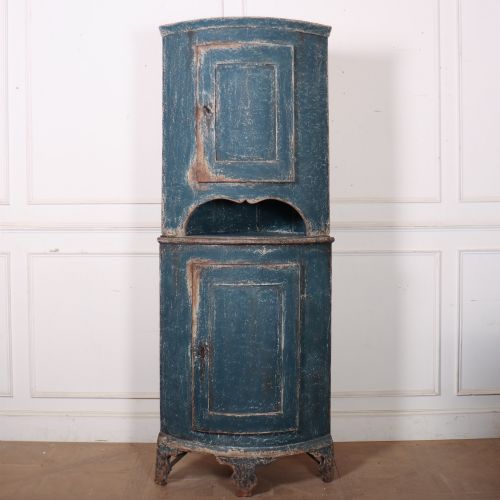


Vintage Scandinavian Painted Cupboard
These vintage scandinavian painted cupboard designs bring northern light and honest utility to any room.
Vintage Scandinavian Painted Cupboard
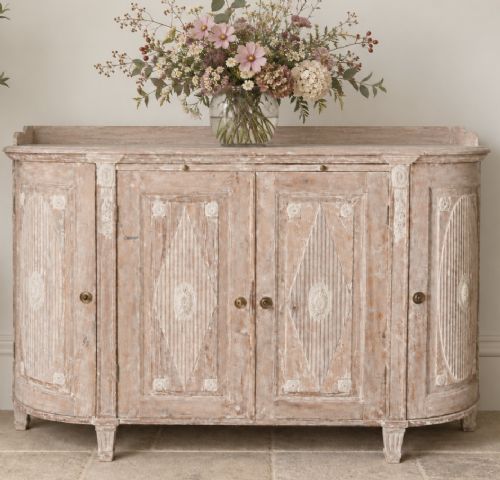
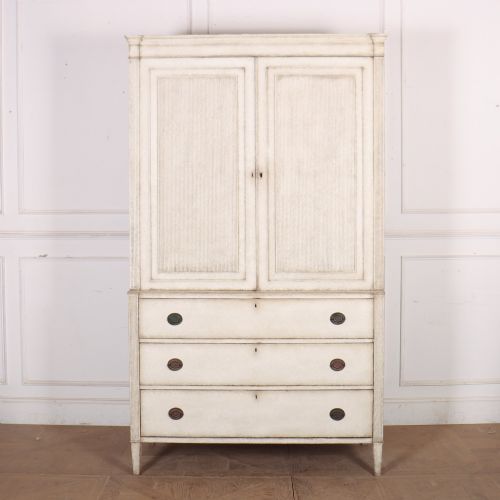
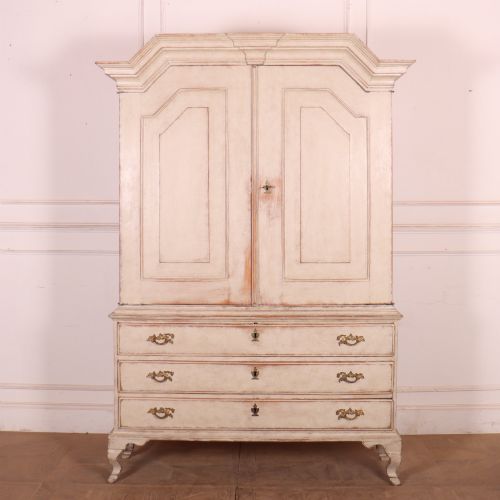
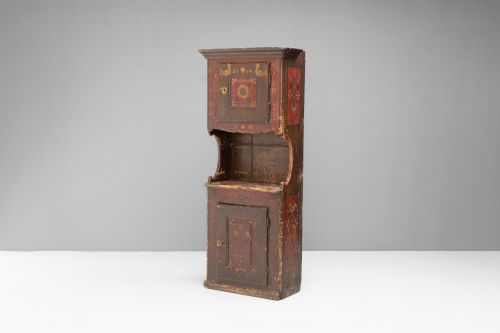
A vintage scandinavian painted cupboard brings northern European form into domestic spaces, most frequently encountered in nineteenth century pine and softwood constructions. These pieces range from wall cabinets and corner cupboards to larger linen presses and kitchen cabinets originating from Sweden, Denmark, and the wider Baltic region.
Makers built these storage items to serve practical household needs in country settings, resulting in enduring regional styles like Gustavian and Scandinavian folk art. The selection includes tall bonnet top cabinets, bowfronted corner units, and cupboards mounted on stands, all finished with traditional painted surfaces.
How they were made
Joiners relied on solid pine and painted softwood as the primary structural materials, assembling carcases with durable traditional joints. Iron and brass hardware such as hinges and latches secured the doors, while occasional zinc tops or glass elements appeared on specific sideboard and cabinet variants.
Surface finish defines these items, utilising paint layers applied over wood. Techniques include ragwork painted finishes and regional folk decorations that aged over the decades to create patinated textures.
Vintage Scandinavian Painted Cupboard Retail Price Guide 2026
Typical asking prices for vintage scandinavian painted cupboard among the pieces listed under this phrase on Sellingantiques today, from the lower quarter to the upper quarter. They describe what is for sale here now, not the wider market.
Some nineteenth century makers added zinc tops to sideboards, letting kitchen staff prep meals directly on metal.
What varies in quality
Quality rests in the integrity of the original timber construction and the survival of early painted surfaces. Pieces showing deliberate proportion, such as bowfronts or bonnet tops, demonstrate greater joinery ambition than basic utilitarian boxes.
The character of the paint layer dictates visual appeal, with undisturbed historic pigment outperforming later decorative overhauls. Fine hardware integration and balanced proportions separate standard country items from more refined Gustavian examples.
The Vintage Scandinavian Painted Cupboard Glossary
- Gustavian
- The Swedish neoclassical style developed during the reign of Gustav III, known for restrained symmetry and pale painted finishes. It draws on French influence translated through local craftsmanship.
- Bonnet top
- An arched or hooded upper canopy above the main cupboard doors. This architectural feature adds height and visual presence to taller storage cabinets.
- Ragwork
- A decorative paint technique where rags or cloths create mottled textures on the surface. Artisans used this method to imitate richer materials or add visual depth to softwood.
- Softwood
- Timber from coniferous trees, predominantly pine in these northern European regions. It provided an accessible material that took paint readily for domestic furniture.
- Bowfronted
- A convex curved front facade that softens the corners of a cabinet. This curved shaping appears frequently on regional corner cupboards.
Vintage Scandinavian Painted Cupboard: Frequently Asked Questions
How do I clean a painted cupboard?
Dust the surface regularly with a dry, soft cloth to prevent dirt accumulation on the painted finish. Avoid harsh chemical cleaners or excess water that might damage historic pine and pigment layers.
Test any mild cleaning solution on a hidden area if a deeper clean becomes necessary. Preserving the integrity of the original surface paint remains the priority during maintenance.
Where were these cupboards made?
These storage pieces originated across northern Europe, with a strong representation from Sweden and Denmark. Regional workshops in the Baltic area also produced similar domestic furniture using local timber.
Craftsmen built them for rural and provincial homes, reflecting the distinct aesthetic preferences of Scandinavian country and folk art traditions.
What is ragwork paint?
Ragwork is a decorative surface treatment where painters manipulated wet paint using rags to create mottled patterns. This technique added texture and movement to flat softwood furniture carcases.
Furniture makers employed this method to give inexpensive pine surfaces a richer, more decorative appearance suited to traditional interiors.
Can I use a wall cabinet in a kitchen?
Wall cabinets offer practical storage for smaller items and fit securely above work spaces or counters. Their compact proportions make them suitable for modern kitchen layouts needing character and storage.
Ensure the wall fixings can support the weight of solid pine construction before mounting. Consider the room humidity to protect the aged wood and paint.