



Vintage Satinwood Storage Cabinet
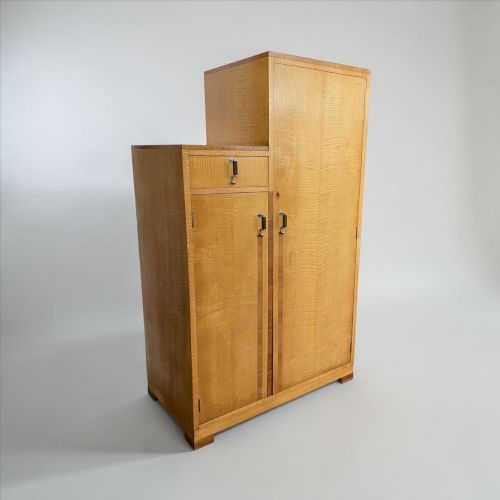
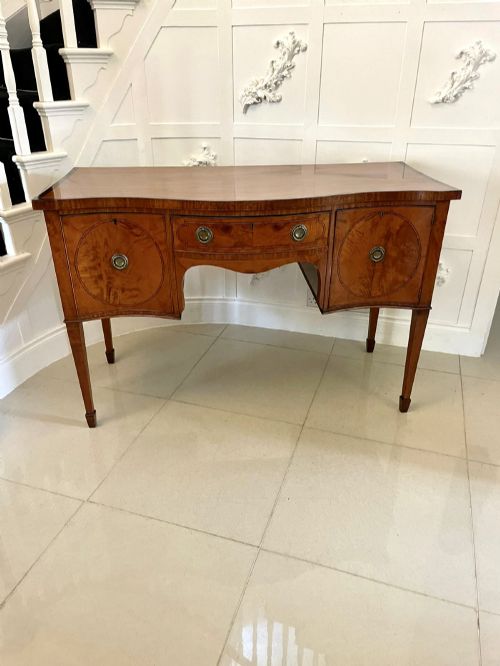
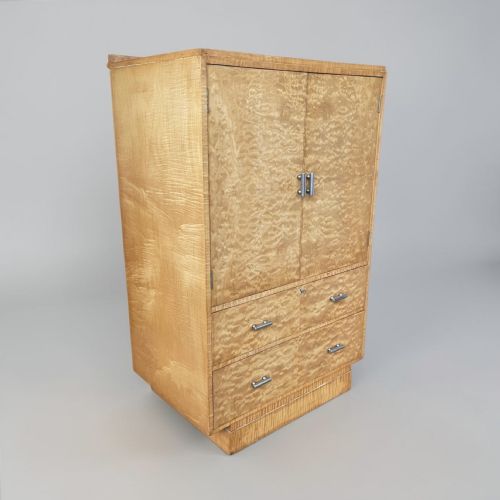
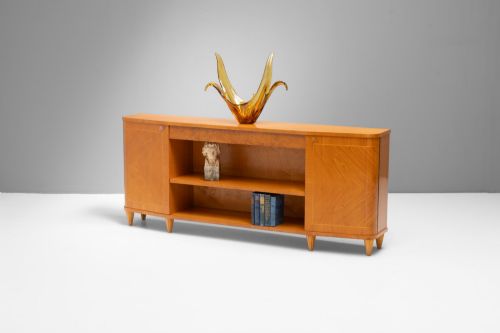
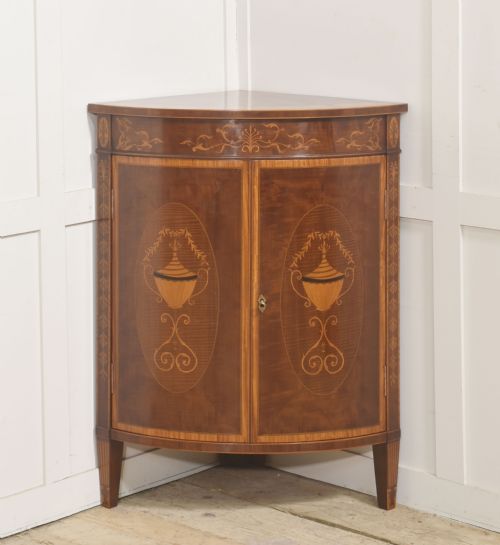
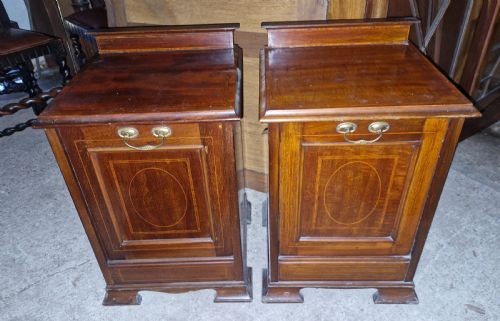
These vintage satinwood storage cabinets bring subtle grain and bright figures into a room while keeping household items neatly out of sight.
Vintage Satinwood Storage Cabinet
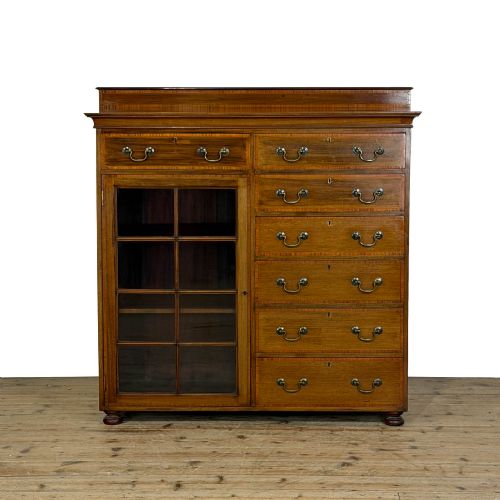
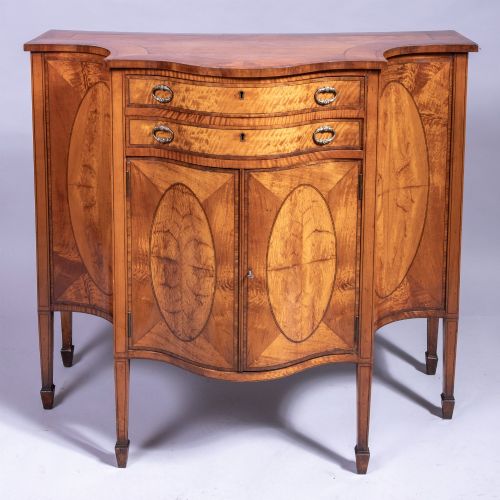
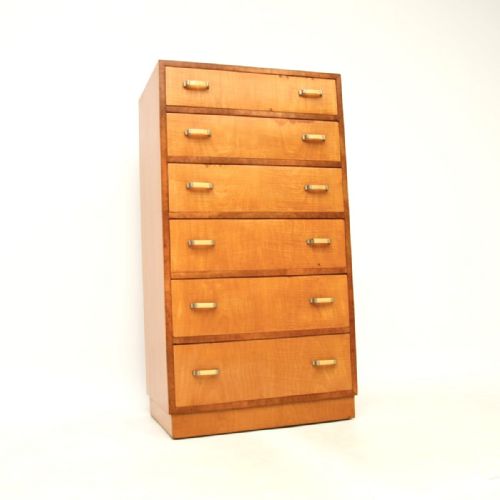
A vintage satinwood storage cabinet takes several forms, from tallboys and music chests to bedside tables and linen presses, originating mainly across the Victorian, Edwardian, and Art Deco periods. When searching for a vintage satinwood storage cabinet, buyers frequently encounter Edwardian and Sheraton Revival pieces alongside Georgian and nineteenth-century designs.
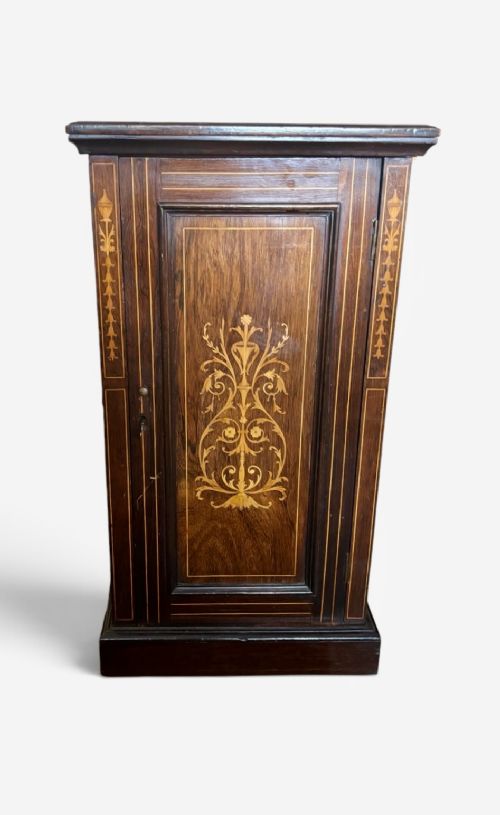
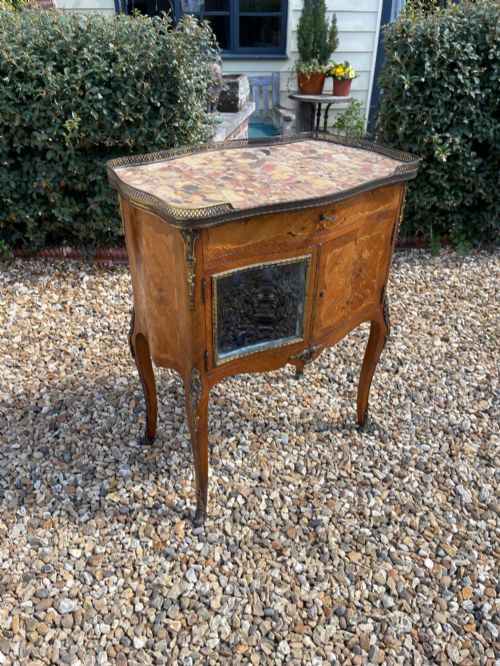
The practical function of these pieces ranges from holding sheet music and linen to serving as bedside companions or principal chests of drawers. Side cabinets and corner cupboards also appear regularly, offering compact display space or corner storage for domestic items.
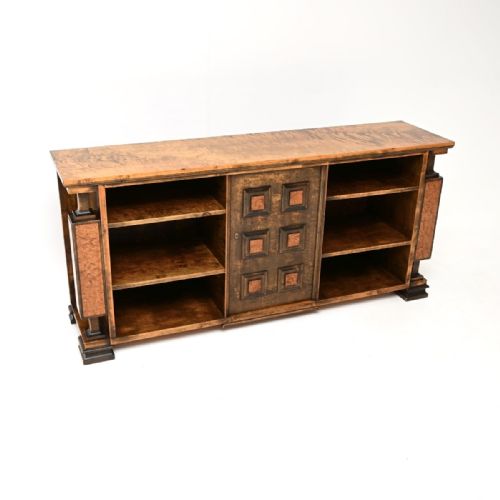
Origins span standard English domestic cabinet-making as well as continental workshops, reflecting shifts from formal revival styles towards clean geometric lines by nineteen-thirty. Each format provides a specific internal arrangement, whether fitted with narrow document drawers, shelves, or hanging space.
Judging quality and execution
The grade of a piece rests heavily on the crispness of its inlay and the chatoyant figure of the satinwood veneer. Finer examples display meticulous matching of grain patterns across drawer fronts and doors, whereas standard pieces use simpler, unfigured panels.
Structural refinement separates workshop production from standard commercial output, particularly in the smoothness of drawer runners and the integration of internal fittings such as specimen drawers or tambour doors.
Vintage Satinwood Storage Cabinet Retail Price Guide 2026
Typical asking prices for vintage satinwood storage cabinet among the pieces listed under this phrase on Sellingantiques today, from the lower quarter to the upper quarter. They describe what is for sale here now, not the wider market.
Several music cabinets retain internal compartments designed specifically for holding rolled-up Victorian sheet music.
Druce & Co.·Waring & Gillow·Heal's·Edwards and Roberts
The Vintage Satinwood Storage Cabinet Glossary
- Satinwood
- A pale, dense tropical hardwood known for a characteristic sheen that catches light across the grain. It serves as both solid timber and decorative veneer.
- Crossbanding
- A border veneer applied around the perimeter of a drawer front or tabletop with the grain running perpendicular to the central panel.
- Tallboy
- A tall chest of drawers standing upright, often combining a chest base with a smaller upper section to maximise storage in limited floor space.
- Stringing
- A narrow strip of contrasting wood inlaid into a channel on a cabinet surface to create geometric borders and decorative outlines.
Vintage Satinwood Storage Cabinet: Frequently Asked Questions
How do I care for satinwood?
Keep these cabinets away from direct sunlight and excessive heat sources to prevent the pale veneer from darkening or drying out. Gentle dusting with a dry, soft cloth maintains the polished surface without stripping the natural finish.
Avoid using silicone-based polishes or harsh chemical sprays, which can penetrate micro-fissures in old varnish. Occasional application of a traditional beeswax feed helps nourish the timber and preserve its characteristic lustre.
Where should I place a music cabinet?
Music cabinets suit studies, hallways, or living spaces where their shallow drop-front or stacked drawers can hold correspondence, stationery, or collections. Their compact footprints allow them to fit easily into tight corners or narrow wall spaces.
Ensure the location remains stable in humidity and temperature, as antique veneered carcases respond poorly to damp atmospheres or radiators.
What is a linen press?
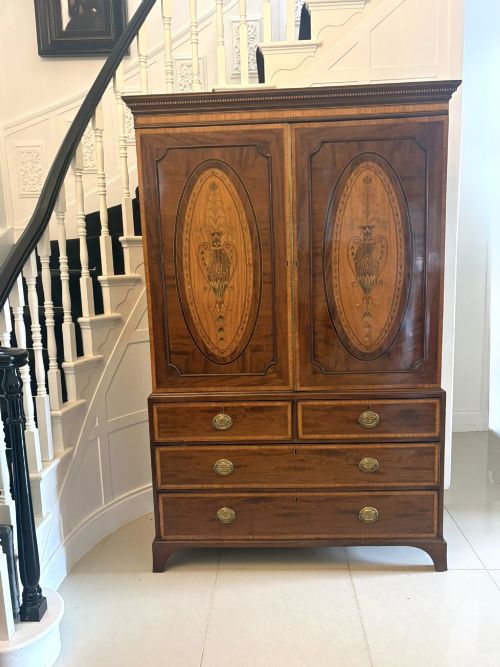
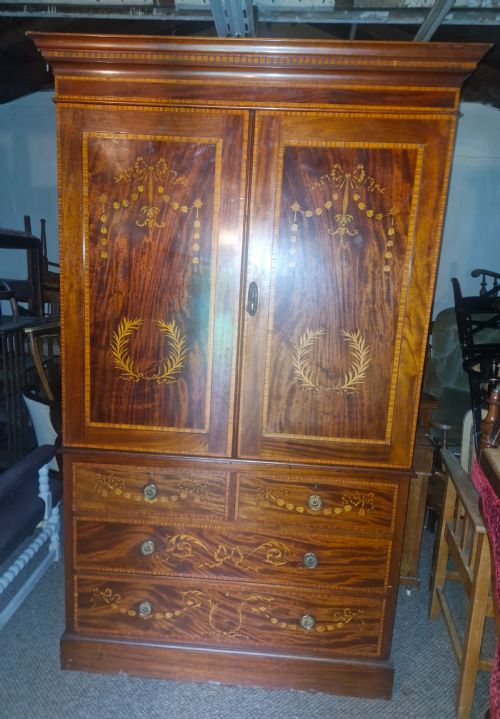
A linen press is a tall storage unit featuring upper panelled doors enclosing sliding trays, traditionally used for flat linens, paired with lower drawers. Over time, many were converted internally for hanging garments while retaining their original exterior proportions.
These pieces offer substantial vertical storage while displaying decorative timber panels and crossbanding on the main facade.
How do I spot Sheraton Revival?
Sheraton Revival pieces date predominantly from the late nineteenth and early twentieth centuries, drawing inspiration from late eighteenth-century neoclassical designs. Look for symmetrical proportions, painted floral medallions, and delicate bellflower inlay.
Cabinet-makers of this era combined light satinwood fields with mahogany frames to recreate the elegant proportions associated with the Georgian master.