

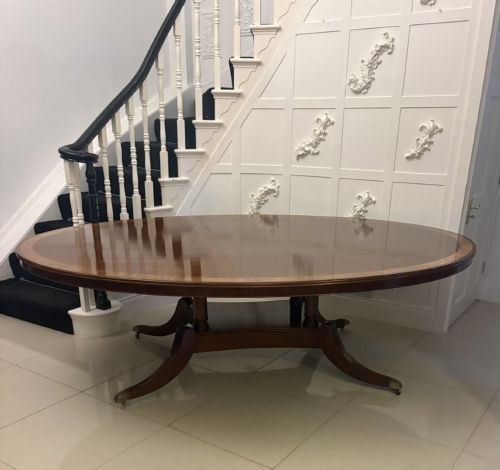
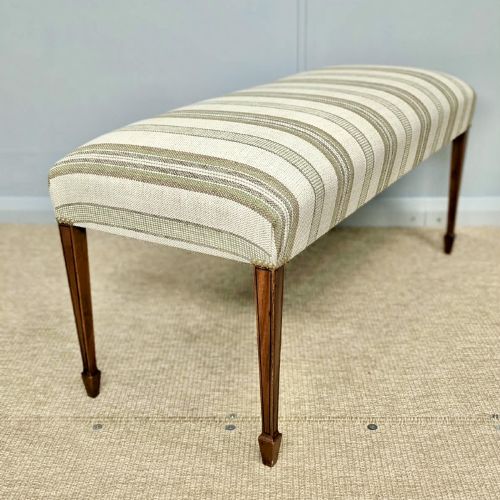
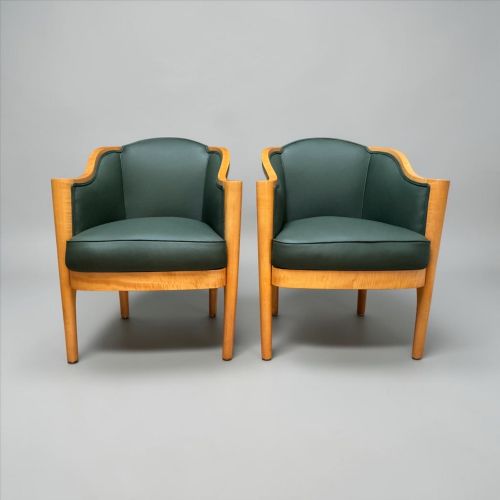
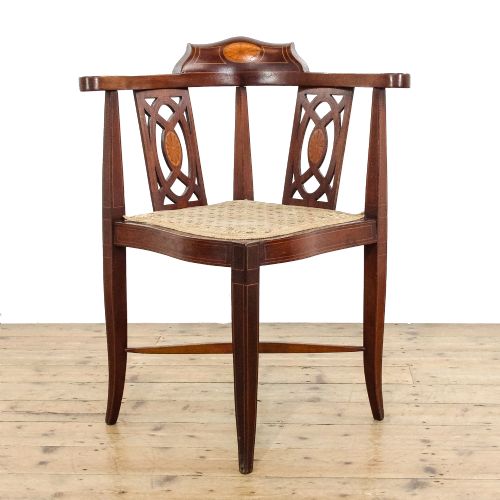

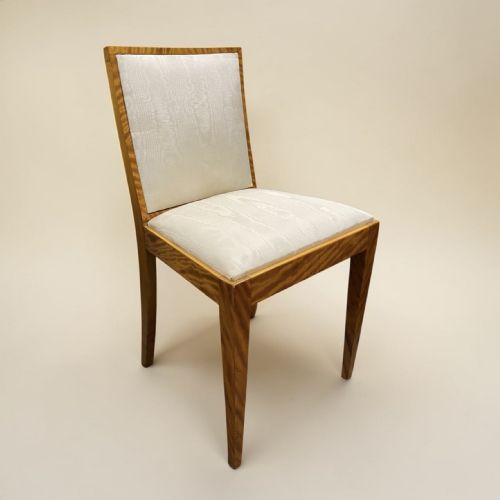


Vintage Satinwood Seating
Vintage satinwood seating brings pale, figured timbers and delicate inlay into light-filled rooms through armchairs, settees and salon chairs.
Vintage Satinwood Seating
Vintage satinwood seating encompasses everything from Edwardian parlour suites and Sheraton revival salon chairs to Art Deco occasional pieces and colonial hall chairs. These items range from compact piano stools and side chairs to expansive settees and inlaid sofas designed for formal drawing rooms.
The Edwardian period dominates the selection, particularly through mahogany pieces enriched with satinwood inlay, stringing and delicate marquetry. Buyers will frequently encounter armchairs, nursing chairs and corner seating dating from around nineteen hundred, alongside later twentieth century expressions of the style.
Beyond standard domestic seating, the selection includes specialised forms such as swivelling ships chairs, child's armchairs and Ceylonese hall pieces in solid timber. Each variation reflects the evolving taste for light, blonde woods from the late nineteenth century through to the interwar decades.
Materials and Construction
Makers built these frames primarily using solid mahogany, walnut and dense satinwood, often applying veneers to create contrasting borders and central panels. Timber selection prioritised rich grain patterns that could catch the light, paired with secondary woods for internal framing.
Decoration relied heavily on intricate inlay and stringing, contrasting dark mahogany with pale satinwood to define panels, borders and classical motifs. Upholstery materials recorded in the pieces include leather, velvet and various woven fabrics designed to complement the polished wood frames.
Vintage Satinwood Seating Retail Price Guide 2026
Typical asking prices for vintage satinwood seating among the pieces listed under this phrase on Sellingantiques today, from the lower quarter to the upper quarter. They describe what is for sale here now, not the wider market.
Listings span the nineteenth century through the 1930s, featuring satinwood, mahogany, and diverse upholstery materials.
Markers of Quality
Quality in these chairs and settees rests in the crispness of the inlay and the depth of the timber figuring rather than mere ornamentation. Finer workshops selected veneers with tighter, more consistent movement and executed stringing with absolute precision.
Structural integrity distinguishes the better examples, visible in tight joinery at the stress points of arms and legs. Chairs retaining their original upholstery substructure or fitted with well-executed traditional re-leathering show a commitment to enduring utility.
Hille·Bath Cabinet Makers·Shoolbred
The Vintage Satinwood Seating Glossary
- Satinwood
- A dense, lustrous tropical timber known for its pale yellow colour and chatoyant grain. It served as a primary solid wood or as fine veneer for contrast.
- Inlay
- A decorative technique where pieces of contrasting wood or other materials are set into recesses flush with the surface. This method created geometric borders and floral motifs.
- Stringing
- Very narrow strips of contrasting wood inlaid into channels in the furniture surface. It frequently outlines panels on Edwardian cabinetwork and chair rails.
- Marquetry
- Elaborate veneer work forming pictorial or decorative designs across a surface. Unlike simple inlay, it covers whole panels with assembled timber pieces.
- Salon Chair
- A light, decorative chair intended for formal reception rooms rather than heavy daily use. They often feature slender legs and open backs.
Vintage Satinwood Seating: Frequently Asked Questions
How do I clean satinwood furniture?
Dust surfaces regularly with a soft, dry cloth to prevent particulate accumulation in the grain. Avoid modern silicone polishes, which build up films and dull the natural lustre of the timber over time.
Apply a microcrystalline wax sparingly when the wood appears dry, buffing it gently after application. Keep these pieces away from direct sunlight and heat sources to prevent the veneers from lifting.
Are these chairs suitable for daily use?
Many Edwardian and twentieth-century designs remain structurally sound for everyday seating if joints are secure. Lighter salon chairs and antique nursing chairs were built for specific domestic settings and suit moderate use.
Heavier armchairs and office or ships chairs handle regular sitting well, provided the internal frame and webbing are sound. Inspect the joinery periodically to ensure stability under daily loads.
How do I distinguish Edwardian from Victorian pieces?
Edwardian seating typically favours lighter proportions, brighter satinwood highlights and neoclassical Sheraton revival motifs. Victorian pieces generally employ darker timbers, heavier carving and more substantial frames.
The transition around nineteen hundred marked a shift towards airier drawing-room aesthetics, though late-nineteenth-century transitional work often bridges both styles.