




Vintage Sarouk Rug
A vintage sarouk rug brings Persian craftsmanship and traditional motifs into a room, offering durability and historical character.
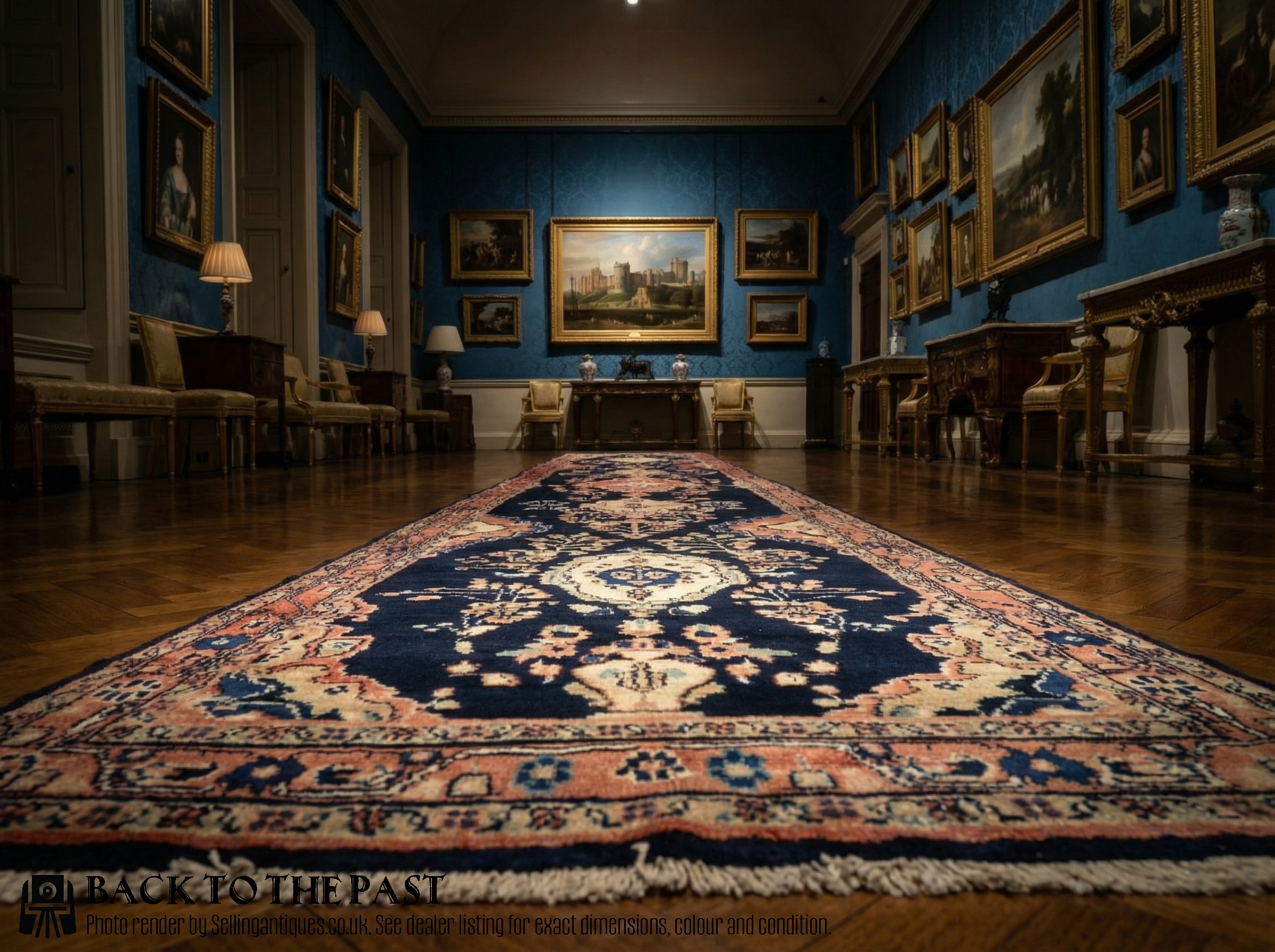
Vintage Sarouk Rug
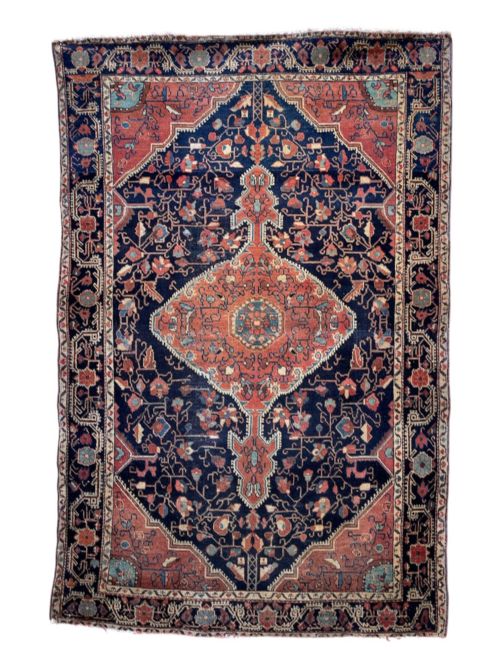
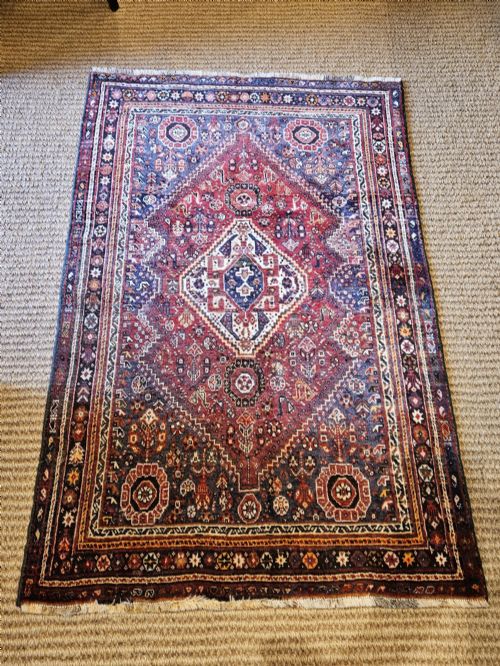
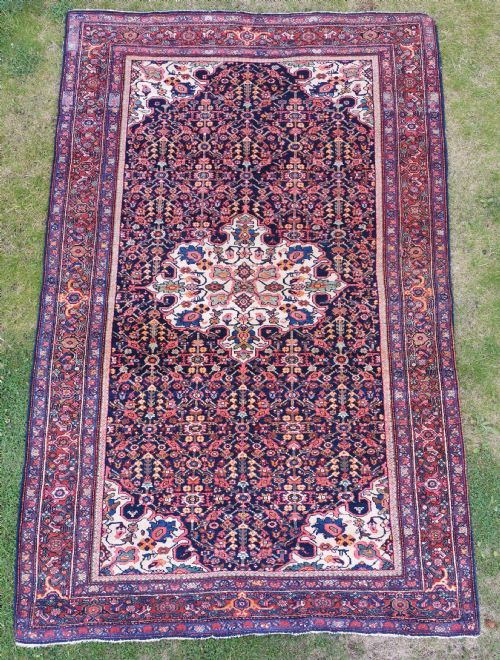
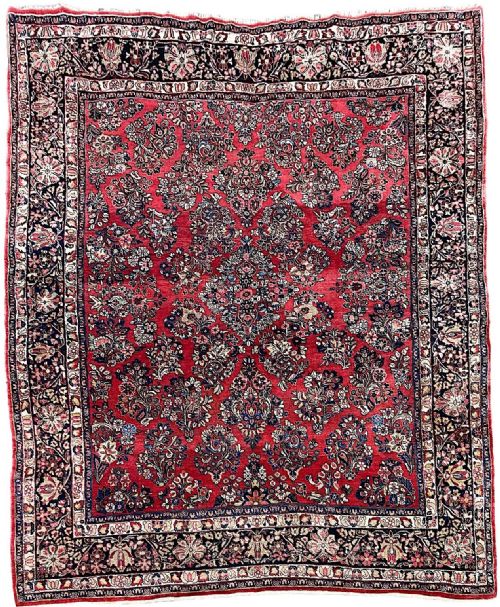
A vintage sarouk rug originates from West Persia, encompassing traditional Persian styles that include village weaves and city pieces. Buyers searching for a vintage sarouk rug encounter formats ranging from small scatter formats to expansive carpets and exceptionally long narrow runners.
The pieces span the late nineteenth century through to the 1930s, capturing distinct periods of Persian weaving. Common variations include Jozan, Ferahan, and Mohajeran types alongside standard sarouk designs.
These floor coverings serve functional roles in domestic spaces while displaying established ornamental patterns. The selection covers diverse dimensions suitable for hallways, compact rooms, and large reception spaces.
Materials and construction
Makers constructed a vintage sarouk rug using natural wool for the pile and cotton for the foundational warp and weft threads. This combination provided structural stability while allowing weavers to execute dense, intricate knotting.
Weavers utilised traditional hand-knotting techniques characteristic of West Persian workshops and villages. The resulting textile balances a sturdy foundation with a pliable, resilient surface designed to endure daily use.
Vintage Sarouk Rug Retail Price Guide 2026
Typical asking prices for vintage sarouk rug among the pieces listed under this phrase on Sellingantiques today, from the lower quarter to the upper quarter. They describe what is for sale here now, not the wider market.
Listings feature wool and cotton materials across nineteenth and twentieth-century Persian rugs, including Jozan and Ferahan styles.
Distinctions in quality
Quality rests on the density of the weave and the precision of the knotting executed by the maker. Finer weaves allow for sharper definition within floral and pictorial motifs.
The condition of the wool pile and the structural integrity of the cotton foundation determine longevity. Pieces retaining full pile height and even wear demonstrate superior preservation compared to heavily distressed examples.
Jozan village
The Vintage Sarouk Rug Glossary
- Sarouk
- A type of Persian rug originating from the village and surrounding region of Sarouk in West Persia. These pieces are known for robust construction and traditional floral designs.
- Runner
- A long, narrow format of rug designed specifically for hallways, corridors, and stairs. They provide linear coverage while accommodating restricted floor spaces.
- Ferahan
- A specific style of Persian weaving associated with the Ferahan region, frequently linked with fine Sarouk production. They often feature delicate floral motifs and sophisticated colour palettes.
- Boteh
- An almond-shaped or paisley motif representing a floral spray or cypress tree, commonly found in Persian rugs. It remains one of the most enduring symbols in traditional textile design.
- Jozan
- A village within the Sarouk district renowned for producing high-quality rugs with fine wool and distinctive designs. Jozan pieces are a recognised sub-category of the broader Sarouk tradition.
Vintage Sarouk Rug: Frequently Asked Questions
Where were vintage sarouk rugs made?
These rugs were produced in West Persia, specifically in Sarouk and surrounding villages like Jozan. Artisans in these communities utilised local materials to create distinct regional styles.
Production centres such as Ferahan and Mohajeran also contributed specific designs and weaving techniques associated with this tradition.
How do I choose the right size?
Select dimensions based on the room layout and the intended function of the space. Smaller formats work well as accent pieces, while runners suit narrow corridors.
Larger carpets anchor furniture groupings in reception rooms. Measure the available floor space carefully before selecting a piece.
What designs appear on these rugs?
Traditional Persian floral patterns, central medallions, and all-over sprays dominate the designs. Motifs such as pomegranates, birds, and boteh elements also appear across various examples.
Stylistic variations reflect the specific village or workshop origin within West Persia.
How should I care for a wool rug?
Vacuum gently without using a rotating brush roll to protect the wool pile and cotton foundation. Address spills immediately by blotting with a clean, dry cloth.
Professional cleaning ensures the preservation of natural fibres and dyes over time.