




Vintage Sarouk Carpet
A vintage sarouk carpet brings a dense floral discipline and a rich foundation to a room.
Vintage Sarouk Carpet
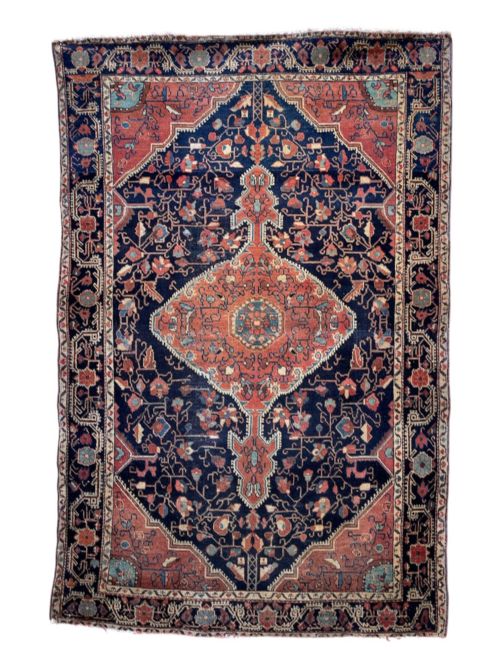
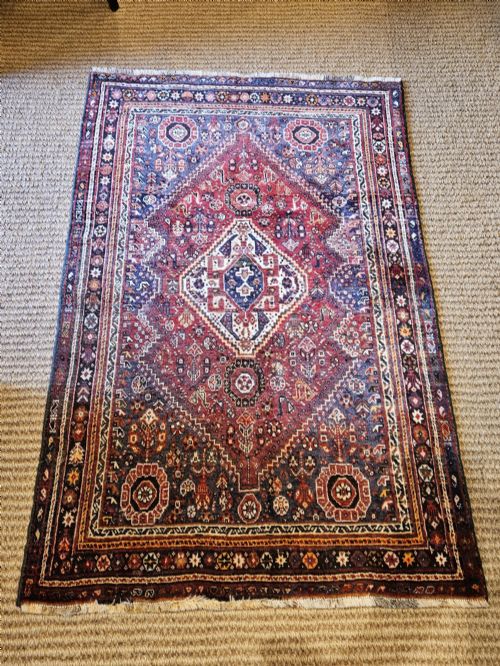
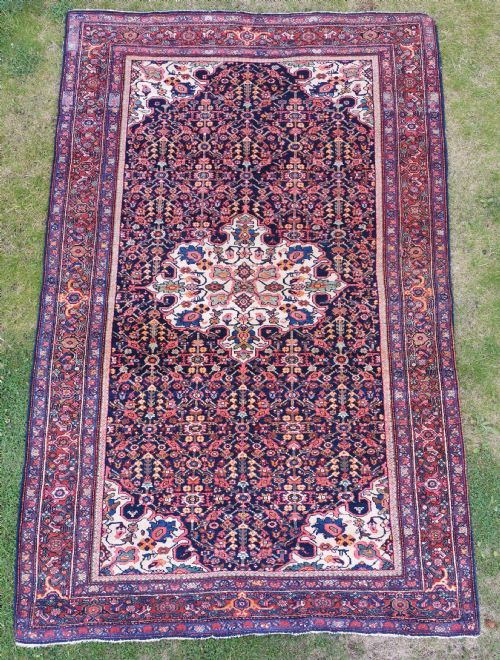
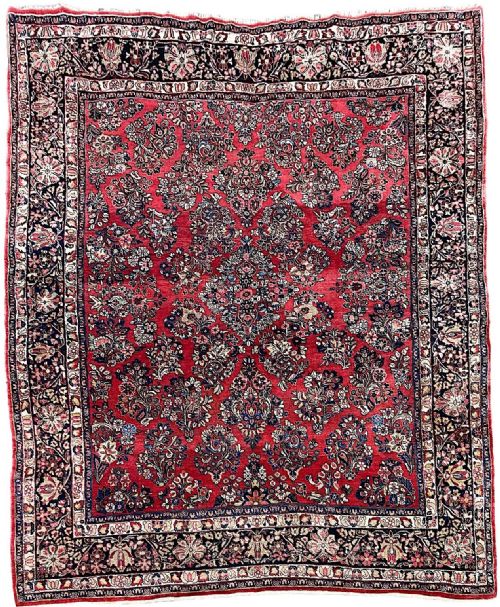
A vintage sarouk carpet forms a distinct category within traditional Persian weaving, originating primarily from the West Persia region. When exploring this selection, buyers encounter formats ranging from compact area rugs and village pieces to exceptionally long narrow runners and large room-sized carpets.
The material record spans from the late nineteenth century through to the 1930s, encompassing related village and regional types such as Jozan, Ferahan, and Mohajeran. These woven floor coverings display conventional Persian motifs, floral fields, and specific patterns including boteh and pomegranate designs.
How They Were Made
The pieces listed record foundation and pile construction executed entirely in wool and cotton. Weavers built these carpets using durable natural fibres spun by hand, providing both the structural warp and welt and the dense surface pile.
Technical execution varies from standard village weaves to very fine weaves found in specialised workshops. Certain pieces incorporate signed and dated elements, reflecting the individual hand of the maker within traditional Persian methods.
Vintage Sarouk Carpet Retail Price Guide 2026
Typical asking prices for vintage sarouk carpet among the pieces listed under this phrase on Sellingantiques today, from the lower quarter to the upper quarter. They describe what is for sale here now, not the wider market.
The listings span from the 1870s through the 1930s, utilising wool and cotton across rug, runner, and carpet formats.
What Varies in Quality
Quality in these carpets rests upon the density of the weave and the precision of the wool preparation. Finer knots and carefully selected materials yield a denser handle and a sharper rendering of floral motifs across the field.
The character of the palette and the preservation of the pile determine the visual impact of an individual piece. Distressed surfaces and softened tones alter the presence of the design, shifting the visual balance from crisp formality to a muted, aged texture.
The Vintage Sarouk Carpet Glossary
- Sarouk
- A type of Persian carpet originating from the village of Sarouk and surrounding districts in West Persia. These pieces are known for dense floral patterns and robust construction.
- Boteh
- A recurring almond-shaped motif with a curved upper end, frequently employed in Persian and oriental weaving. It represents a stylized floral or cypress form.
- Ferahan
- A stylistic classification originating from the Ferahan district in Persia, often associated with finely knotted rugs and classical village designs.
- Jozan
- A specific village origin within the Persian weaving tradition, noted for distinct regional rug production closely linked to the broader Sarouk style.
- Runner
- A long, narrow format of carpet suited for corridors, hallways, and staircases. These pieces maintain elongated proportions relative to their width.
Vintage Sarouk Carpet: Frequently Asked Questions
Where were vintage sarouk carpets made?
These carpets originate from West Persia, specifically from Sarouk and surrounding villages including Jozan and Ferahan.
Production spans from the nineteenth century into the early decades of the twentieth century.
How do I use a runner rug?
Narrow runners suit hallways, corridors, and long transitional spaces in a home.
Their elongated proportions allow them to fit narrow architectural layouts while adding a durable wool surface to high-traffic areas.
What is a boteh design?
The boteh is a traditional almond or pear-shaped motif found throughout Persian weaving.
It appears repeatedly across the field of many vintage rugs, often oriented in rows or surrounding central medallions.
How do I date an old carpet?
Dating relies on stylistic clues, structural materials, and documented periods ranging from the late nineteenth century to the 1930s.
Village variations and specific weaves help place a piece within this historical window.