


Vintage Sapphire Necklace
A vintage sapphire necklace brings together rich blue stones and precious metal settings from periods spanning the Victorian era to the mid-twentieth century.
Vintage Sapphire Necklace
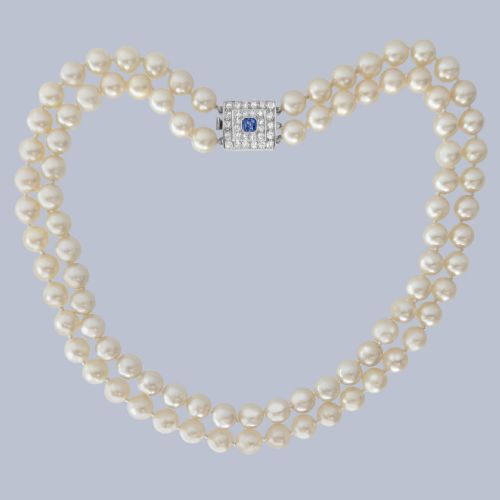
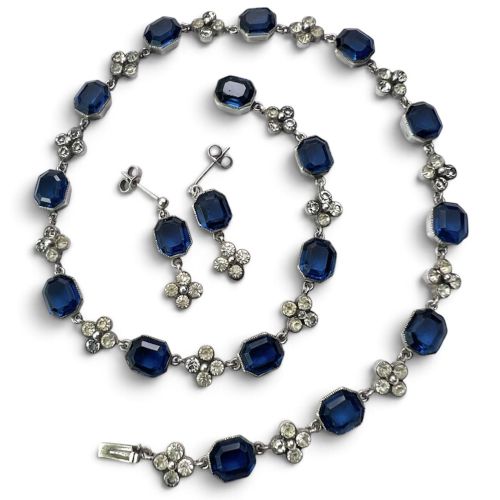
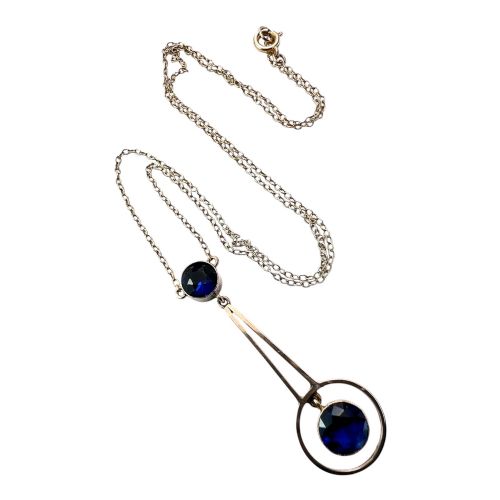
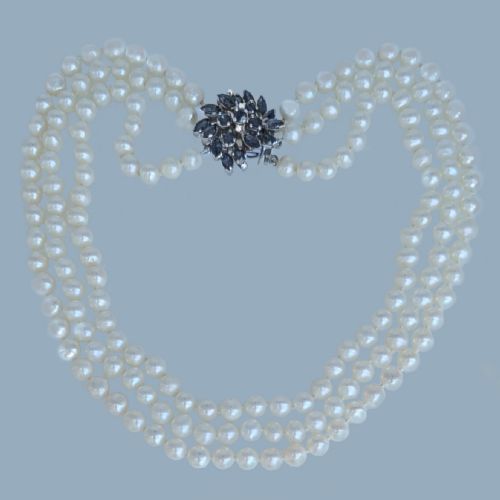
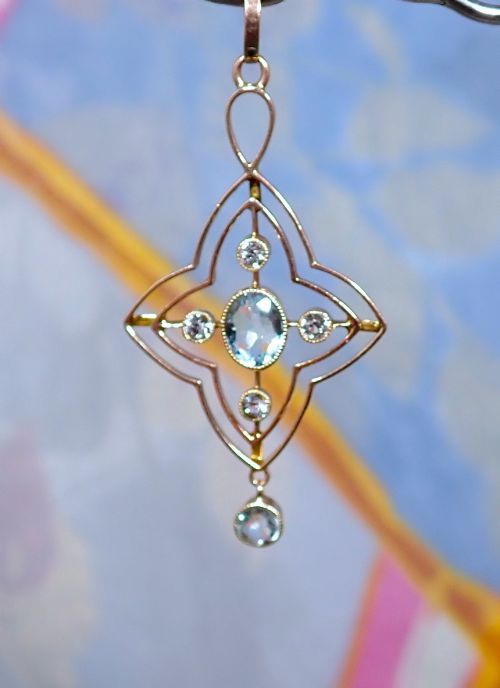
A vintage sapphire necklace encompasses several distinct historical forms, from single pendants on delicate chains to elaborate pearl strands secured by gem-set clasps. When searching for a vintage sapphire necklace, buyers frequently encounter Edwardian drop designs and mid-century cluster pendants alongside multi-strand pearl necklaces featuring intricate gemstone clasps.
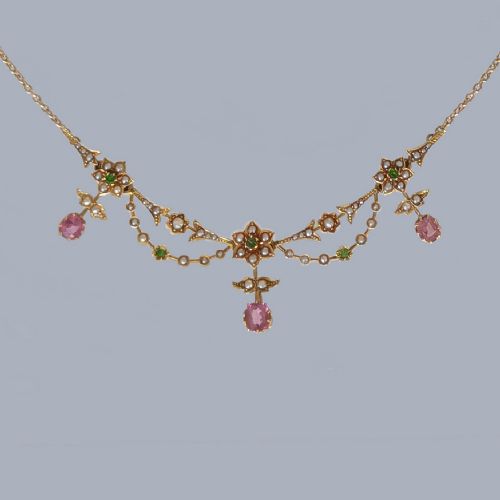
The material combinations vary widely across the periods represented in the archive, pairing sapphires with diamonds, seed pearls, and cultured pearls. Settings utilise yellow gold, white gold, platinum, and silver, reflecting the shifting tastes of jewellers from the Edwardian years through the 1960s.
How they were made
Goldsmiths constructed these pieces using yellow and white gold in varying purities, alongside platinum and silver for specific styles like Art Deco mountings. Stones were shaped into oval, marquis, and cabochon cuts, often surrounded by halos of diamonds, seed pearls, or white sapphires.
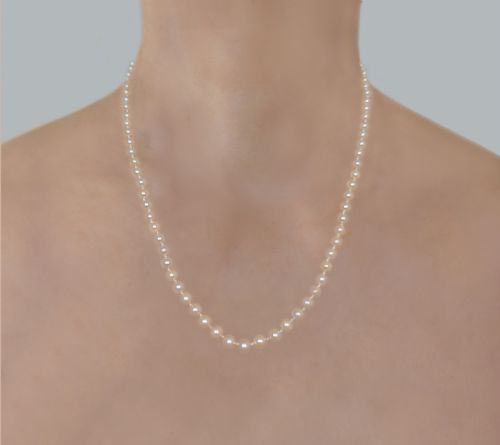
Pearl strands involved stringing natural or cultured pearls, frequently matched with decorative floral or cluster clasps set with sapphires and diamonds. Metalwork techniques included fine wire framing for Edwardian drop pendants and secure prong or cluster settings for mid-century stones.
Vintage Sapphire Necklace Retail Price Guide 2026
Typical asking prices for vintage sapphire necklace among the pieces listed under this phrase on Sellingantiques today, from the lower quarter to the upper quarter. They describe what is for sale here now, not the wider market.
Materials paired with sapphires include white gold, yellow gold, platinum, silver, diamonds, seed pearls, and cultured pearls.
What varies in quality
The distinction between tiers rests upon the origin and treatment of the central stones, the weight of the precious metal, and the harmony of the overall design. Pieces featuring certified natural sapphires paired with older diamond cuts command greater attention from collectors than those with paste substitutes.
Construction integrity also dictates quality, visible in the security of pearl stringing, the precision of stone setting, and the preservation of original clasps. Finer examples display balanced proportions between the pendant drop and the chain or strand length.
The Vintage Sapphire Necklace Glossary
- Cabochon
- A gemstone shaped and polished with a smooth, rounded surface rather than faceted edges. This cut is frequently seen on older sapphires to highlight the depth of the stone.
- Negligee pendant
- A necklace style featuring two drop components suspended at slightly different lengths from a central connector. This design became popular during the Edwardian period.
- Seed pearl
- Very small, naturally occurring pearls used extensively in Edwardian floral and crescent jewellery. They provide a delicate textured border to central sapphire stones.
- Paste
- Hand-cut glass used historically as a substitute for gemstones in decorative jewellery. It appears in period pieces alongside silver and gold settings.
Vintage Sapphire Necklace: Frequently Asked Questions
How do I care for a vintage pearl and sapphire necklace?
Pearls require gentle cleaning with a soft cloth and should be kept away from harsh chemicals and perfumes. Professional restringing is recommended periodically if the silk thread shows wear.
Sapphires are durable stones, but the surrounding gold or platinum settings benefit from occasional checks by a jeweller to ensure stones remain secure in their mountings.
What is the difference between Edwardian and mid-century sapphire necklaces?
Edwardian pieces often feature delicate platinum or yellow gold work with seed pearls, aquamarines, and intricate drop motifs. The aesthetic leans towards lightness and lace-like openwork.
Mid-century designs tend to feature bolder cluster settings, heavier gold chains, and structured geometric or floral arrangements that showcase the central sapphire.
Are clasps on multi-strand pearl necklaces meant to be worn at the back?
Many vintage pearl necklaces feature elaborate sapphire and diamond floral clasps intended to be displayed at the front or side of the neck. These decorative elements served a dual purpose as both fastener and focal point.
Single-strand iterations more commonly place the clasp at the nape of the neck, though multi-strand variations frequently position the gemstone cluster prominently.
How can I tell if a sapphire is natural?
Gemological reports and certifications issued by established laboratories provide definitive verification of a sapphire's origin and whether it has undergone heat treatment. These documents accompany many fine pieces.
Without documentation, microscopic examination by a specialist can reveal internal inclusions characteristic of natural gemstone formation rather than synthetic growth.