





Vintage Sailing Vessel Artwork
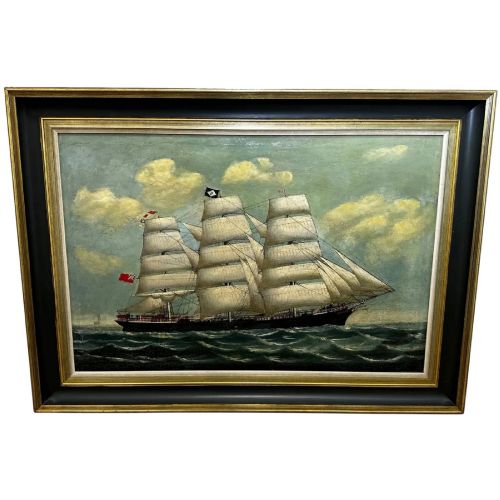
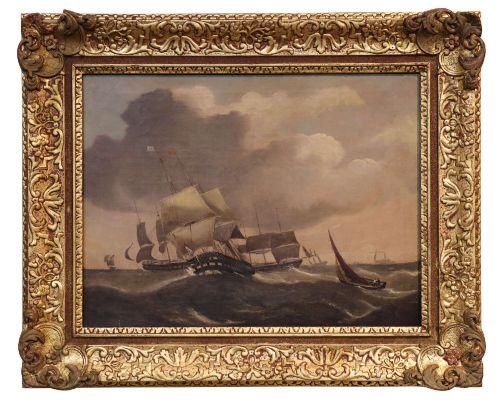
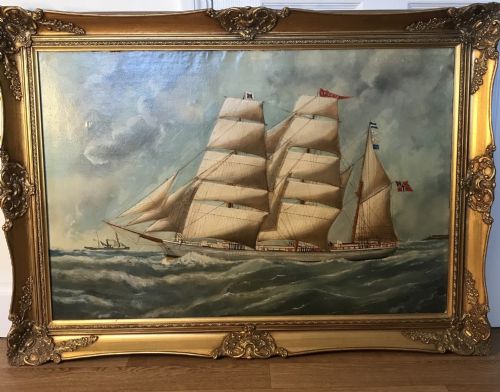
These vintage sailing vessel artwork pieces capture the drama of the sea on canvas, paper, and wood.
Vintage Sailing Vessel Artwork
Vintage sailing vessel artwork encompasses oil paintings, watercolours, lithographs, and dioramas depicting marine scenes, ships, and coastal views. Collectors search for these pieces to bring historical maritime narratives and traditional nautical aesthetics into interior spaces.
The selection on this page relies heavily on nineteenth-century and early twentieth-century works, featuring Victorian marine paintings alongside Edwardian and mid-century interpretations. buyers will frequently encounter oil paintings on canvas and board, detailed watercolours, and framed prints.
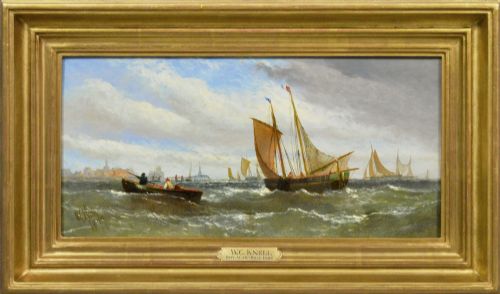
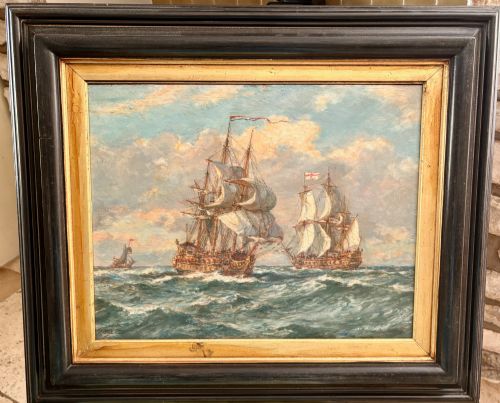
Subject matter ranges from calm coastal harbours and fishing boats to dramatic storm scenes, specific named clippers, and historical naval engagements. This variety reflects the diverse output of maritime artists working across British, European, and international schools.
How they were made
Artists created these works primarily using oil paint on canvas or wooden boards, or watercolour on paper, often framing them behind glass for preservation. Canvases stretch over wooden frames, while some works incorporate mixed media or lithographic printing techniques.
Detailed maritime watercolours employ layered washes to render transparent water and atmospheric skies, while oil paintings build texture through heavy impasto and precise brushwork for rigging and hulls. Support materials include canvas, heavy paper, and occasionally card or wooden panels.
Makers housed these artworks in period wood frames, sometimes gilded or moulded, which complement the maritime subject matter. Dioramas utilise carved wooden ship models set against painted canvas or glass backgrounds to create three-dimensional depth.
Vintage Sailing Vessel Artwork Retail Price Guide 2026
Typical asking prices for vintage sailing vessel artwork among the pieces listed under this phrase on Sellingantiques today, from the lower quarter to the upper quarter. They describe what is for sale here now, not the wider market.
Listings feature works from the eighteenth, nineteenth, and twentieth centuries, spanning periods from Georgian maritime to mid-century impressionism.
What varies in quality
Quality in vintage sailing vessel artwork rests on the precision of the draughtsmanship, particularly in the rigging, hull proportions, and architectural details of the vessels. Skilled artists render maritime anatomy with complete accuracy, whereas lesser works show generalised or confused perspective in the masts and sails.
The handling of light, water movement, and atmospheric conditions distinguishes accomplished marine paintings from routine decorative pieces. Superior works convey convincing motion in choppy seas and realistic play of light on water surfaces, supported by harmonious colour palettes.
Reginald Arthur Borstel·Bernard Gribble·Lai Fong·William Frederick Settle·George Shaw·Marie Edouard Adam·Gustave de Breanski·Frank Wood·Joseph Heard·Paul Jean Clays·Fred Mayor·Samuel John Milton Brown·Thomas Bush Hardy
The Vintage Sailing Vessel Artwork Glossary
- Barque
- A sailing vessel with three or more masts, having the fore- and main-masts square-rigged and the mizzen-mast fore-and-aft rigged. This rig was common for merchant ships during the nineteenth century.
- Clipper
- A very fast nineteenth-century merchant sailing ship with three masts and a square rig. These vessels were built for speed on international trade routes.
- Diorama
- A three-dimensional scene depicting historical events or maritime subjects. In marine art, these combine carved wooden ship models with painted backdrops.
- Seascape
- A work of art depicting the sea, coastal views, or ships at sea. These compositions focus on water, weather, and maritime activity rather than land topography.
- Watercolour
- A painting method in which the paints are made of pigments suspended in a water-based solution. Works on paper demand precise brushwork as corrections are difficult to make.
Vintage Sailing Vessel Artwork: Frequently Asked Questions
How do I identify the age of a marine painting?
Examine the materials, stretcher frames, and paper types used in the construction of the artwork, alongside any artist signatures or dates. Stylistic clues such as ship design and clothing styles in coastal figures also help narrow down the period.
Historical records and artist registries provide further context for named vessels or signed works. Comparing the canvas weave and framing methods against known periods confirms the age.
What is a ship portrait?
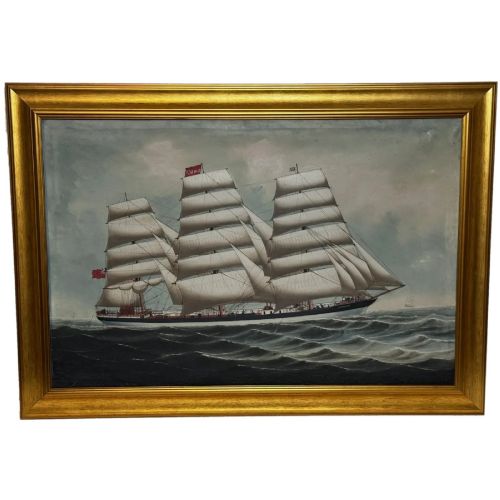
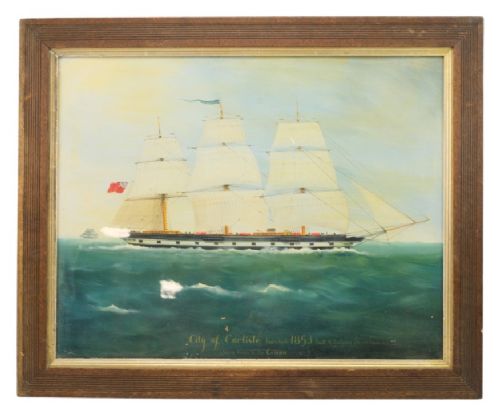
A ship portrait is a specific genre of marine art commissioned to record a particular vessel with accurate detail. These works focus on the technical accuracy of the rigging, hull, and flags.
Captains and shipowners frequently commissioned these paintings to document their vessels. They serve as historical records of nineteenth-century maritime commerce.
How should I care for antique watercolours?
Keep watercolour paintings away from direct sunlight to prevent fading of the pigments and discolouration of the paper. Display them in rooms with stable humidity levels to protect both the paper and the original frame.
Ensure that framing utilises acid-free mount board to avoid chemical damage over time. Professional framing protects the delicate paper surface from moisture and dust.
What distinguishes an oil painting from a watercolour?
Oil paintings use pigments suspended in drying oils, applied to stretched canvas or wooden boards to create textured, opaque surfaces. Watercolours use water-soluble pigments on paper, resulting in transparent washes and lighter textures.
Oils generally require a protective varnish layer and do not need glass framing. Watercolours must be framed behind glass to protect the paper substrate from atmospheric damage.