



Vintage Sailing Painting
These vintage sailing painting examples capture maritime history on canvas, wood, and paper for collectors drawn to traditional seafaring scenes.
Vintage Sailing Painting
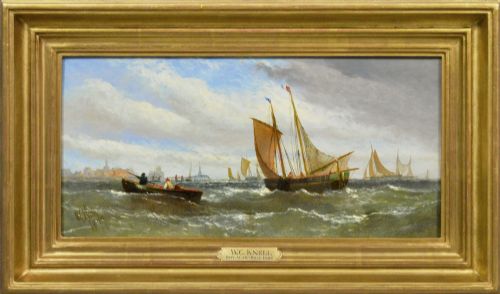
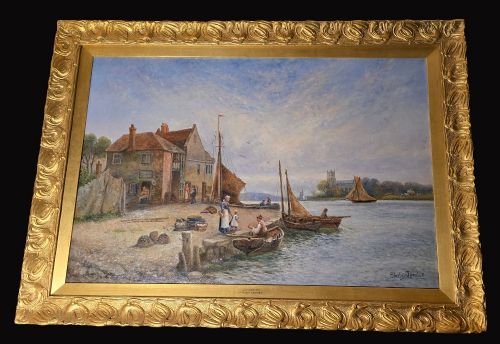
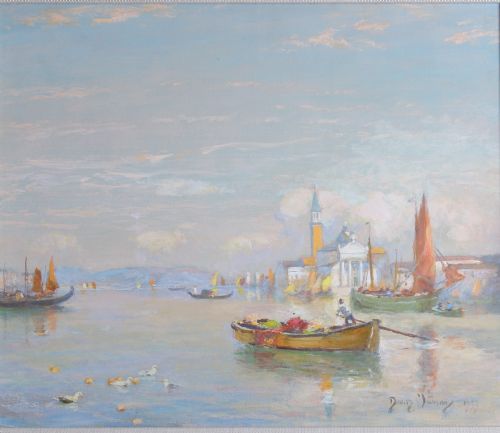
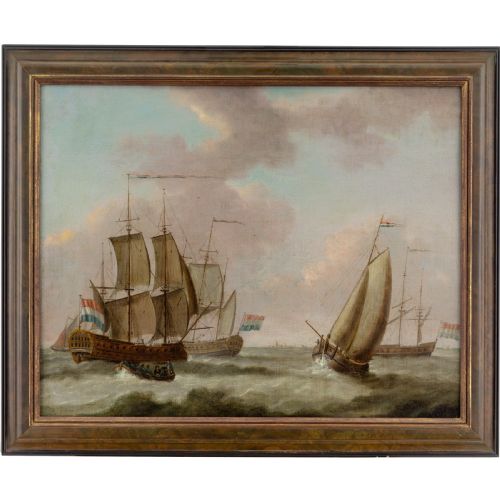
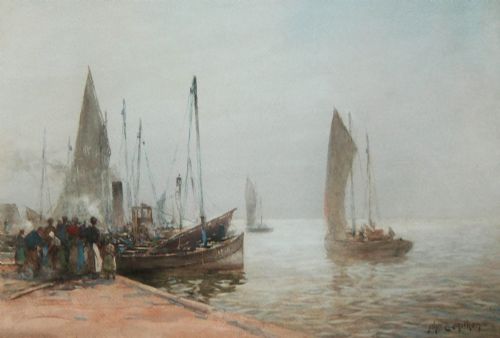
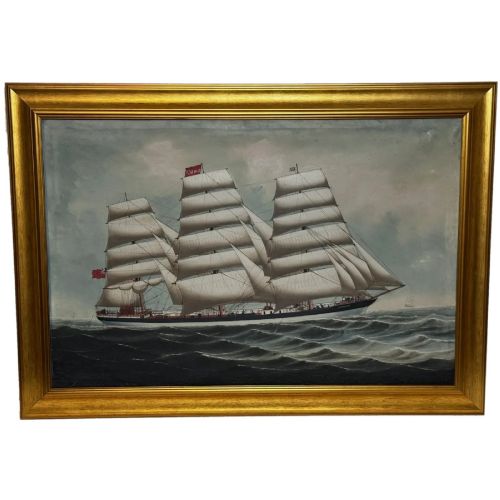
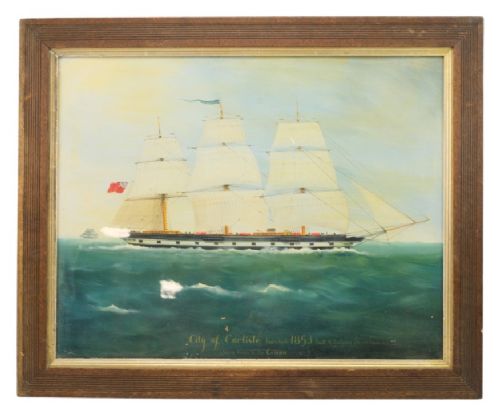
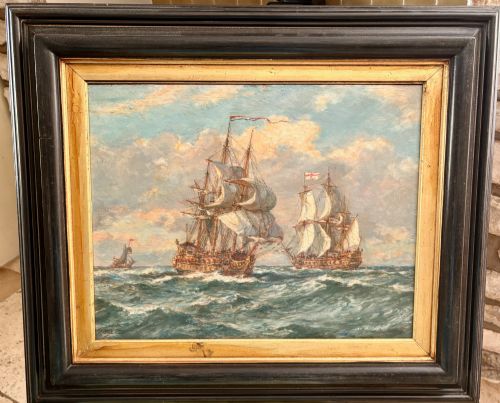
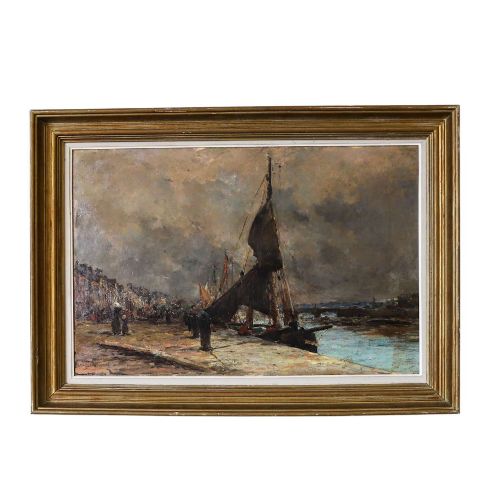
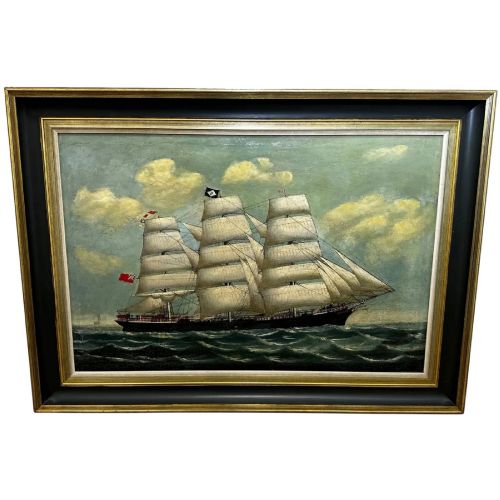
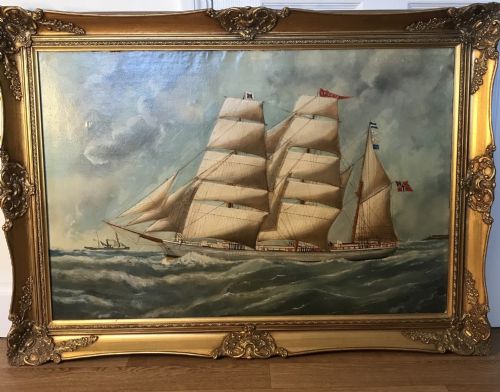
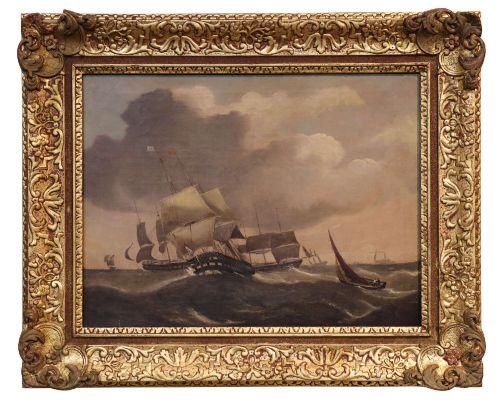
A vintage sailing painting depicts maritime scenes, coastal views, and naval vessels originating primarily from the nineteenth and twentieth centuries. The selection encompasses framed artworks, oil paintings on canvas or board, and delicate watercolours recording historic ships at sea.
Buyers frequently encounter nineteenth-century marine scenes, Edwardian coastal depictions, and mid-century seascapes. Common subjects range from three-masted schooners and clippers in heavy seas to peaceful harbour departures and yacht racing.
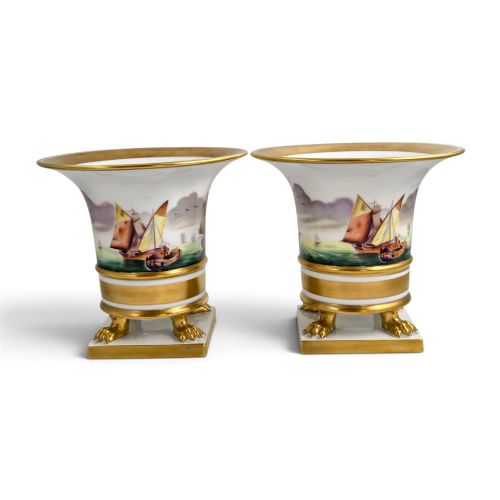
The category extends beyond flat wall art to incorporate shadow box dioramas and model boats that share the same nautical aesthetic. English and French schools dominate the visual record alongside specific regional depictions.
Materials and construction methods
Artists relied primarily on oil paint applied to canvas, board, or card, alongside watercolour pigments on paper. Many surviving pieces retain their period gilt wood frames or glass protection which preserves the delicate mediums.
Three-dimensional representations utilise wood, canvas, and glass to construct detailed shadow box dioramas and model boats. Hand-painted storage boxes and signs demonstrate how maritime craftsmanship extended into functional household objects.
Vintage Sailing Painting Retail Price Guide 2026
Typical asking prices for vintage sailing painting among the pieces listed under this phrase on Sellingantiques today, from the lower quarter to the upper quarter. They describe what is for sale here now, not the wider market.
Materials recorded on this page include oil on canvas, gilt wood frames, watercolour on paper, and glass.
Assessing quality in maritime art
Quality rests upon the artist's handling of light, water movement, and rigging accuracy within the composition. Works by documented painters command attention through confident brushwork and precise anatomical depiction of sailing vessels.
The condition of the canvas, paper, and original gilt frame influences the integrity of the piece. Balanced proportions and atmospheric depth distinguish accomplished maritime works from routine decorative items.
Reginald Arthur Borstel·James E Aitken·Charles Edward Dixon·Bernard Gribble·Cecil Allan Mould·Lai Fong·George Stanfield Walters·Frank Kelsey·Walter Goodin·Abraham Hulk I·William Frederick Settle·Elisabeth Bardon·Charles Napier Hemy·Thomas Bush Hardy·Adrian Van Porten·Edward Henry Eugene Fletcher·Fred Waugh·Sam Barnes Robson
The Vintage Sailing Painting Glossary
- Seascape
- A painting depicting the sea, coastal views, or marine vessels in motion. These works focus heavily on atmospheric weather and water conditions.
- Diorama
- A three-dimensional scene enclosed in a glass-fronted shadow box. Maritime examples often feature intricate handmade model boats set against painted backdrops.
- Gilt wood
- Wood treated with gold leaf or metallic gilt paint to create a decorative frame. This finish is typical of traditional nineteenth-century framing.
- Impasto
- Paint applied in thick layers that stand out from the surface. This technique adds visible texture to water and clouds in maritime oils.
- Watercolour
- Pigments suspended in a water-soluble base applied to paper. It offers a transparent medium frequently used for coastal sketches and harbour views.
Vintage Sailing Painting: Frequently Asked Questions
What periods do these paintings cover?
The available selection spans from the early nineteenth century through the Edwardian era and into the mid-twentieth century. Most examples date from the 1800s up to the 1950s.
Earlier works tend to feature traditional rigging and dramatic coastal weather, while mid-century pieces often adopt broader impressionistic brushwork.
How should I display maritime art?
These pieces suit traditional study rooms, living spaces, or hallways with controlled natural light. Keeping them away from direct sunlight protects oil pigments and watercolours from fading.
Matching the original gilt frames to your interior adds an authentic period touch to the display.
Are these works signed by artists?
Many listings feature original signatures, monograms, or attribution to specific historical schools of painting. Signatures help trace the origin to notable maritime artists of the period.
Unsigned pieces are often attributed based on technique, subject matter, and the materials used in their construction.
What subjects are most common?
Common subjects include clippers in full sail, fishing boats in stormy seas, and quiet harbour departures. Coastal landmarks like lighthouses and specific ports frequently appear.
Some works record actual historical events and named vessels, adding documentary interest to the visual appeal.