







Vintage Saddlebag
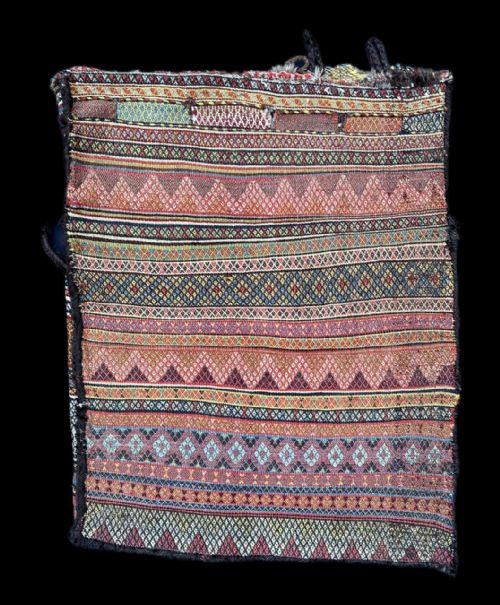
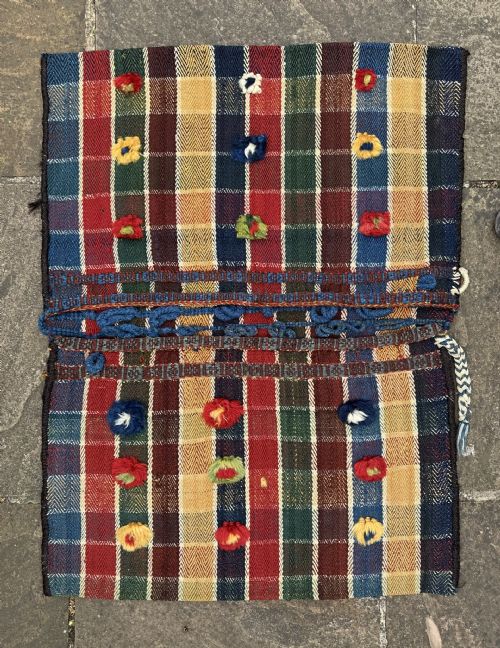
These vintage saddlebag pieces are nomadic woven textiles and pouches that bring rich tribal geometry and history into a room.
Vintage Saddlebag
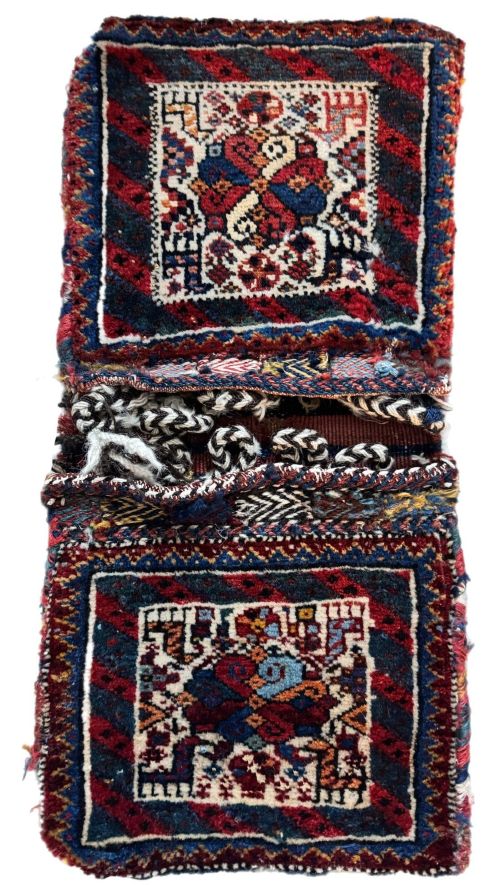
A vintage saddlebag typically originates from nomadic or tribal groups across Persia, Anatolia, and Central Asia, including Afshar, Qashqa'i, Shahsavan, and Baluch communities. These items served practical uses for transport and storage during migrations before transitioning into decorative textile art.
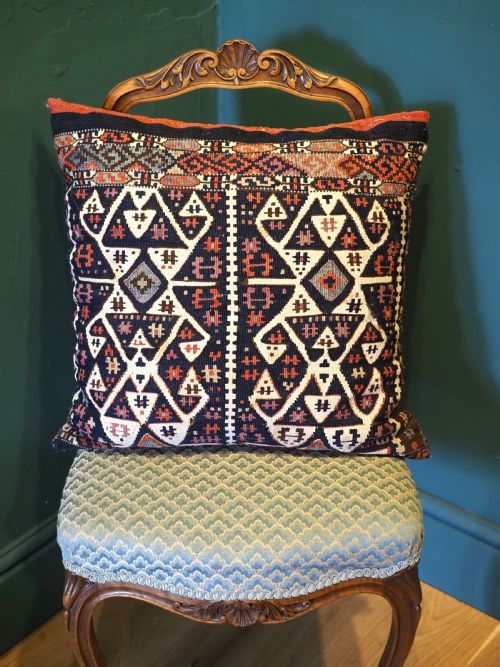
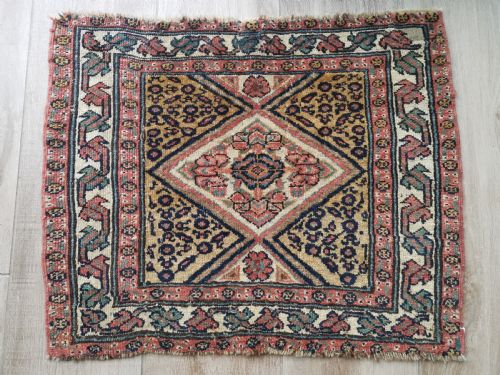
Buyers commonly encounter individual bag faces, half-saddlebags, or complete double-sided pouches rather than entire intact sets. Formats range from square cushion conversions and flatwoven kilims to sumac weaves and pile structures.
The aesthetic is defined by tribal motifs such as boteh designs, geometric medallions, and banded weft work. Pieces arrive from periods spanning the mid-nineteenth century to the early twentieth century.
How they were made
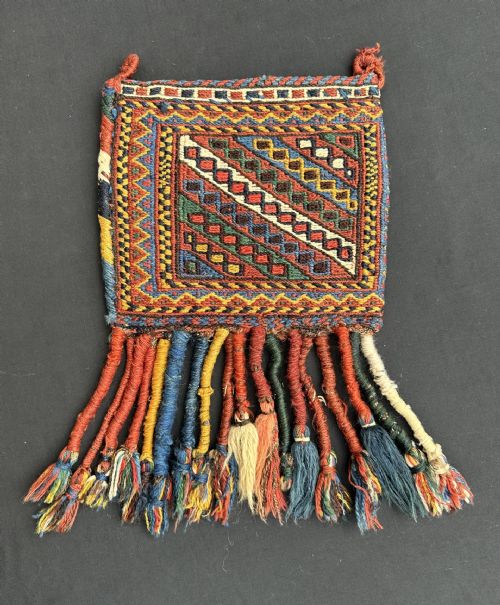
Weavers utilised hand-spun wool and cotton combined with natural dyes to create durable, strong textiles meant to withstand constant travel. Techniques include flatwoven kilim structures, sumac wrapping, and supplementary weft work.
Nomadic artisans incorporated leather accents and plain weave backs on functional storage pouches. The resulting construction balances structural integrity with intricate pattern placement.
Vintage Saddlebag Retail Price Guide 2026
Typical asking prices for vintage saddlebag among the pieces listed under this phrase on Sellingantiques today, from the lower quarter to the upper quarter. They describe what is for sale here now, not the wider market.
The selection includes pieces featuring wool, cotton, and natural dyes across nineteenth-century and early twentieth-century dates.
What varies in quality
Quality rests in the vibrancy of the natural dyes and the lustre of the wool used in the weave. Tighter knotting or finer flatweave execution distinguishes superior tribal examples.
Preservation of the original format, such as complete double-sided configurations or intact plain weave backs, elevates a piece above fragmented panels.
The Vintage Saddlebag Glossary
- Bag face
- The decorative front panel of a saddlebag, often preserved and displayed as a small rug after the backing wears away.
- Khorjin
- The traditional Persian term for a double-sided saddlebag used for transport on animals.
- Sumac
- A flatweaving technique where pattern wefts are wrapped around warp threads, creating a textured surface resembling embroidery.
- Boteh
- A stylised floral motif resembling a almond or paisley shape, frequently found in Persian tribal weaving.
- Heybe
- The Turkish term for a nomadic saddlebag or pouch.
Vintage Saddlebag: Frequently Asked Questions
How were saddlebags used?
Nomadic tribes utilised these double-sided pouches draped over horses, donkeys, or camels to carry belongings, grain, and personal items during seasonal migrations.
Once inside the tent or settlement, they served as domestic storage containers for household goods before eventually being repurposed as decorative floor or wall textiles.
How do I display a bag face?
Many collectors mount these textile fragments securely on walls as flat art pieces to protect the wool from heavy floor traffic.
Alternatively, smaller pieces are frequently backed and stuffed to function as decorative cushions or pillows on seating.
What is the difference between a bag face and a complete saddlebag?
A complete saddlebag retains both sides of the original paired pouch, sometimes including the central connecting web and plain weave back.
A bag face represents only the decorative front panel that has been separated from its operational reverse side, usually for display purposes.
How do I identify tribal origins?
Specific weave structures, colour palettes, and characteristic geometric motifs point directly to regional groups such as the Afshar, Shahsavan, or Qashqa'i.
Examining the specific drawing style of borders and central medallions helps attribute the piece to particular areas like Fars Province or Western Persia.