



Vintage Rustic Seating
Vintage rustic seating brings utilitarian timber and iron forms into daily use, offering honest construction and robust everyday character.
Vintage Rustic Seating
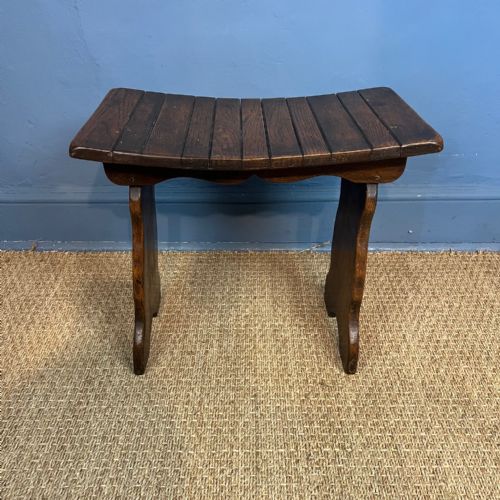
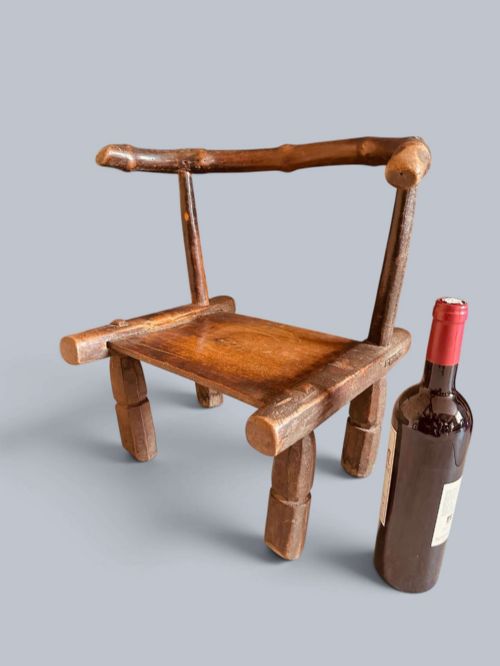
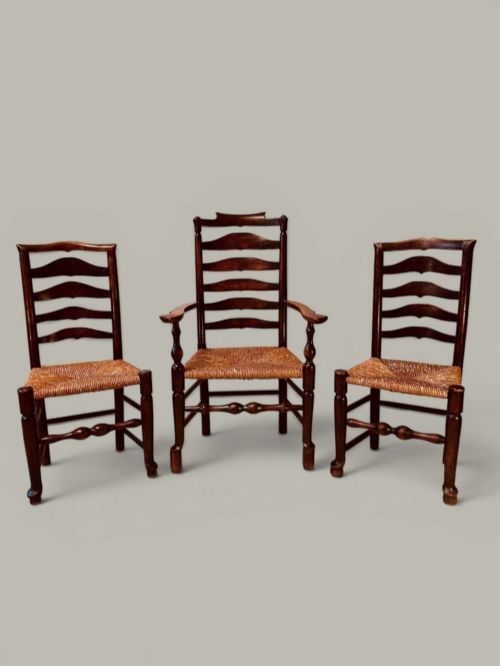
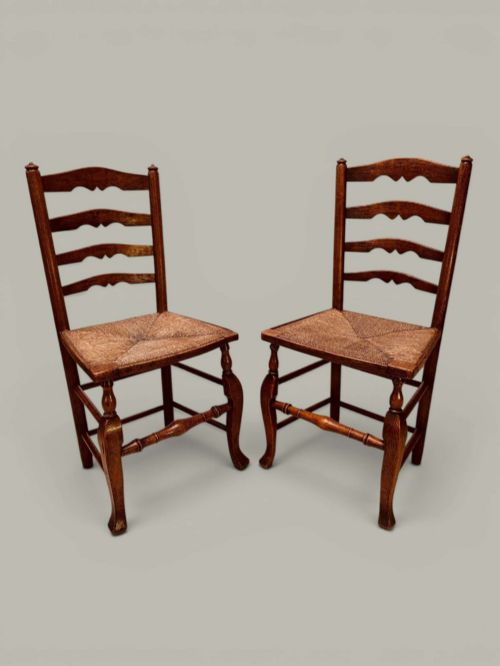
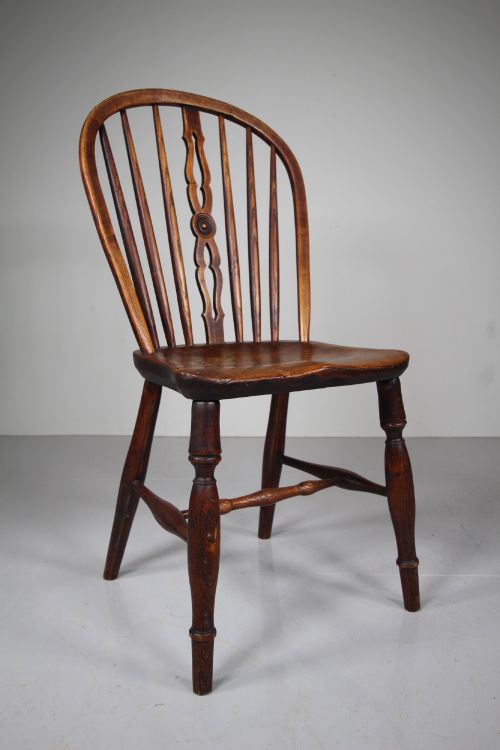
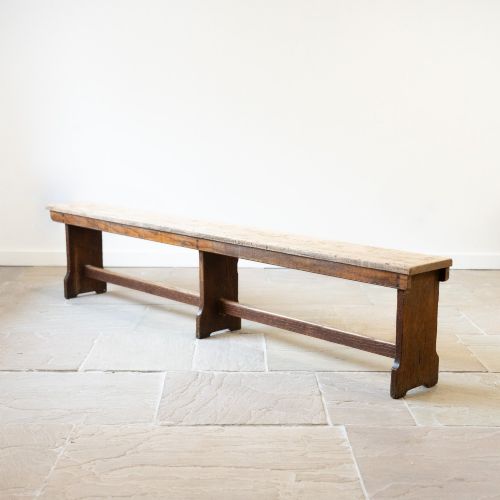
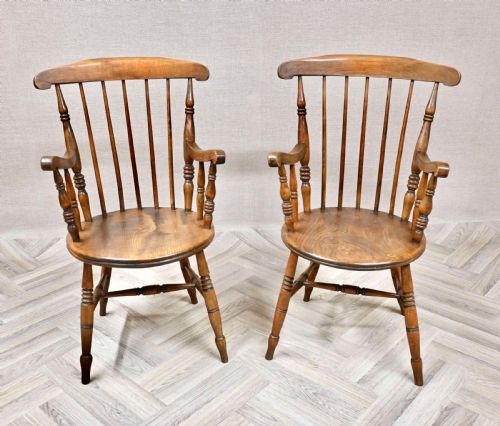
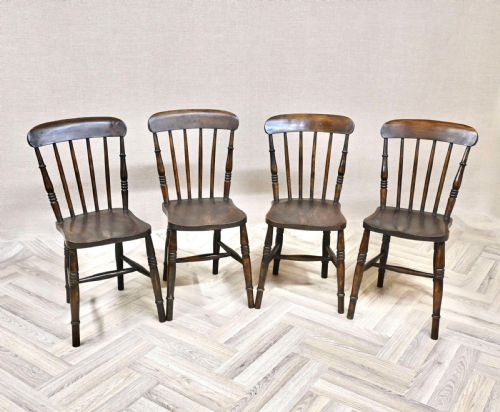
Vintage rustic seating encompasses benches, stools, and chairs derived from vernacular domestic, garden, and commercial traditions across the eighteenth, nineteenth, and early twentieth centuries. Buyers seeking these pieces will find heavy elm, pine, and oak forms built for practical service in kitchens, taverns, churches, and gardens.
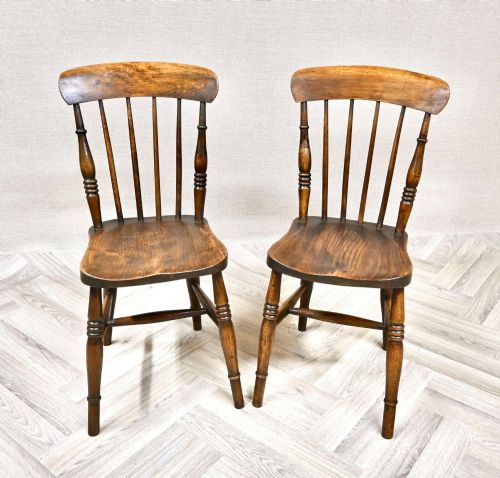
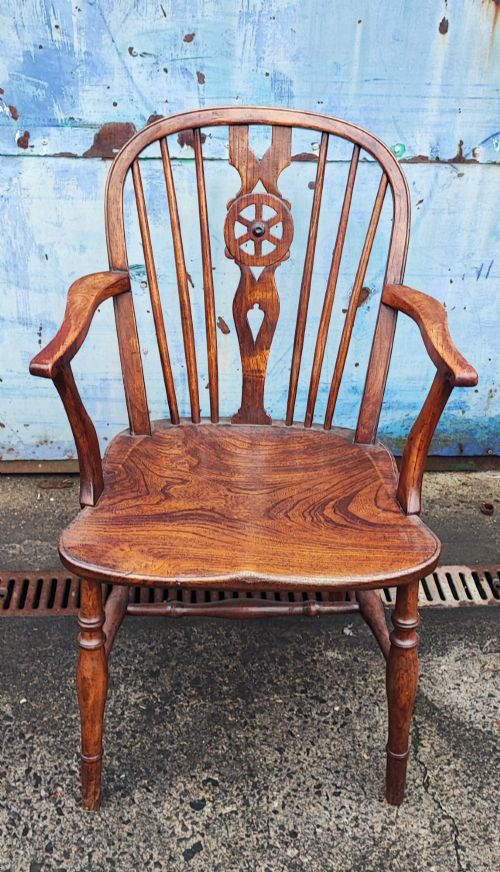
The selection ranges from sturdy kitchen Windsor chairs and plank benches to heavy oak refectory benches and cast iron garden seats. Pieces often originate from English, French, Austrian, and Bavarian workshops, reflecting regional preferences for local timbers like sycamore, walnut, and beech.
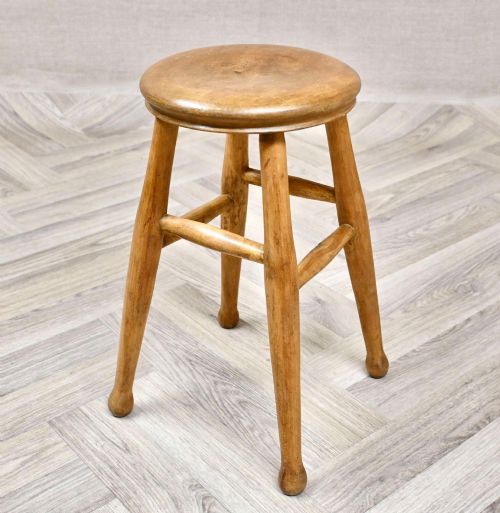
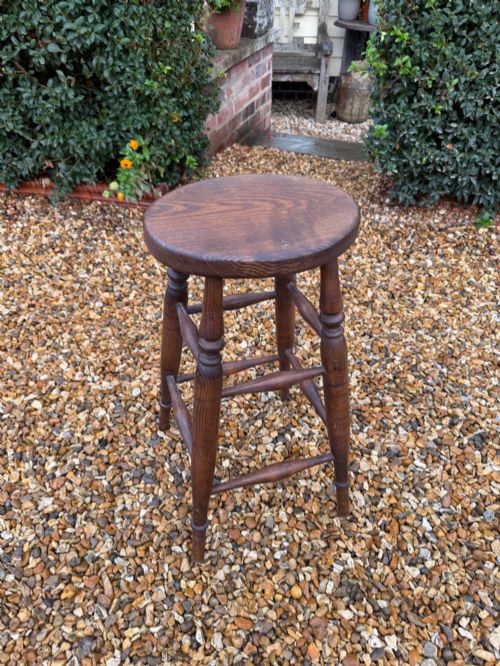
Common domestic and utility forms include tall bar stools, joint stools, and settles alongside pairs of garden benches with cast iron supports. These items suit contemporary interiors that favour unpretentious historical woodwork and patinated metalwork over formal upholstery.
Materials and construction methods
Makers utilised solid native timbers such as oak, elm, pine, and sycamore, selecting woods for local availability and structural resilience. Seats were frequently carved from single thick planks of elm or pine, supported by turned or shaped legs wedged and pinned into place.
Vintage Rustic Seating Retail Price Guide 2026
Typical asking prices for vintage rustic seating among the pieces listed under this phrase on Sellingantiques today, from the lower quarter to the upper quarter. They describe what is for sale here now, not the wider market.
Listings feature nineteenth-century tavern stools in sycamore alongside Edwardian oak benches and cast iron garden seating from the 1930s.
Assessing build quality and material integrity
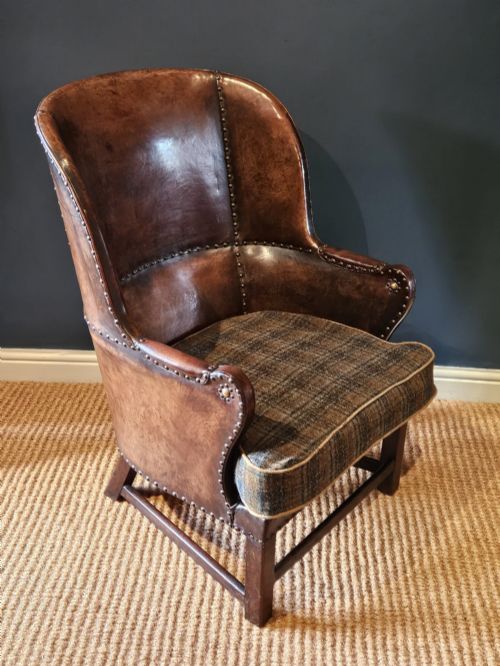
Quality rests in the integrity of the original timber and the retention of honest surface wear accumulated through decades of utility. Pieces retaining untouched patination on solid elm seats or substantial oak framing demonstrate superior primary material selection.
Structural honesty and the preservation of original fixings distinguish utilitarian survivals from heavily restored examples. Cast iron frames with crisp, deep botanical casting detail show superior foundry work compared to worn or pitted replacements.
Falkirk foundry
The Vintage Rustic Seating Glossary
- Windsor chair
- A wooden chair constructed with a solid sculpted wooden seat into which the legs and stick-back pieces are joined directly.
- Joint stool
- A sturdy wooden stool assembled using mortise and tenon joints rather than traditional turning, common in early domestic interiors.
- Settle
- A wooden bench with a high solid back designed to block draughts, often incorporating enclosed storage beneath the seat.
- Refectory
- A long communal table or bench style traditionally associated with dining halls in monasteries or large institutions.
- Rush seat
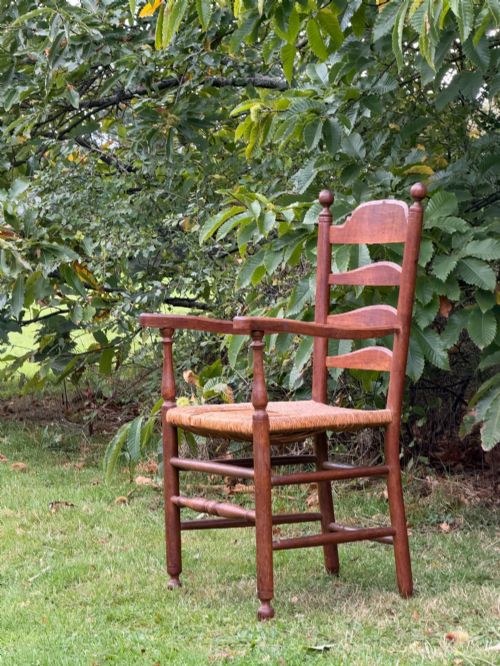
- A seating surface woven from dried marsh rushes, providing a flexible and traditional alternative to solid wood or leather.
Vintage Rustic Seating: Frequently Asked Questions
How do I clean antique wooden benches?
Dust surfaces regularly with a dry cloth and occasionally feed dry timber with a traditional beeswax polish. Avoid harsh chemical cleaners that strip the historic surface patination.
Keep wooden seating away from direct heat sources and dramatic humidity changes to prevent the timber from splitting or warping over time.
Can cast iron garden benches stay outside?
Cast iron garden furniture is designed for outdoor use and withstands weathering well when given basic seasonal maintenance. Inspect the metal periodically for surface rust and treat affected areas promptly.
During severe winter weather, storing iron benches undercover helps preserve the painted finish and structural integrity of the casting.
How do I identify an 18th century piece?
Eighteenth-century seating typically displays hand-cut joinery, pegged tenons, and deep surface patination acquired through generations of daily use. Timbers like solid walnut, oak, and heavy elm exhibit tool marks and grain patterns distinct from later machine-sawn production.
Examine the underside and joints for consistency in wear patterns and construction techniques appropriate to the period of origin.