
Vintage Rural Scene Artwork
Vintage rural scene artwork captures pastoral life through paintings and watercolours that bring the charm of the countryside directly into your home.
Vintage Rural Scene Artwork
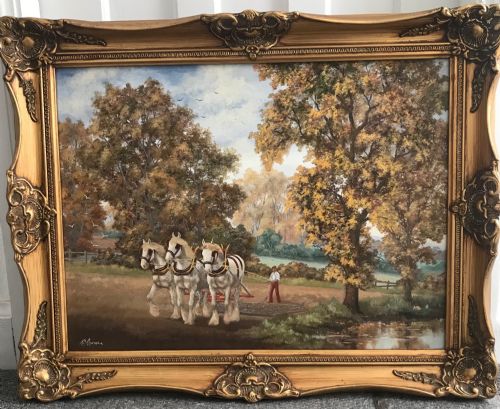
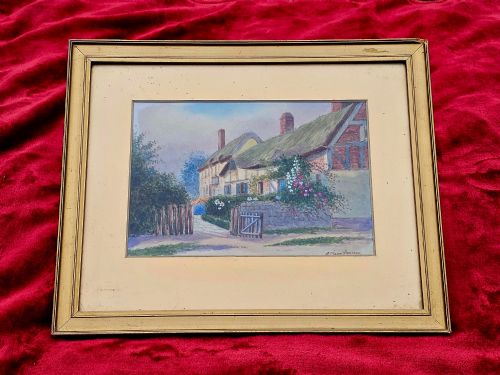
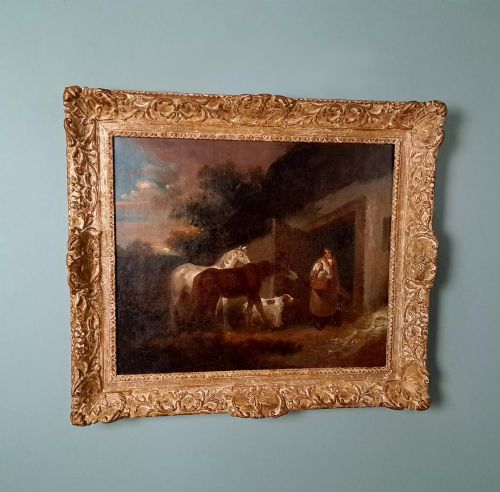
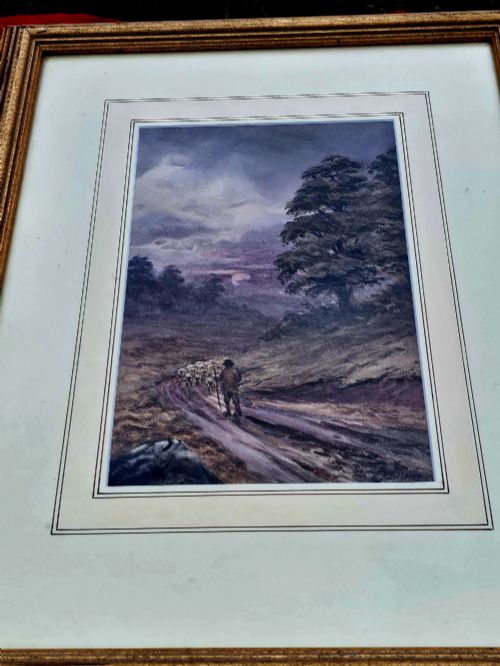
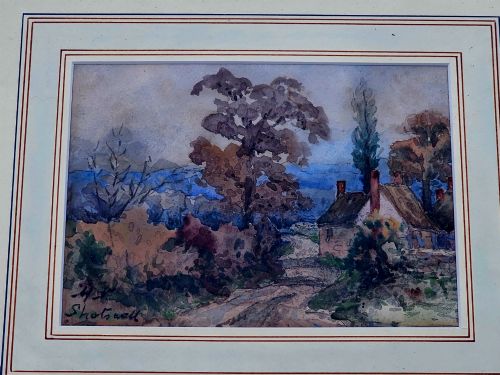
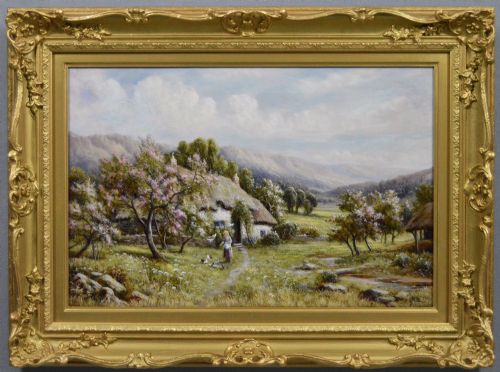
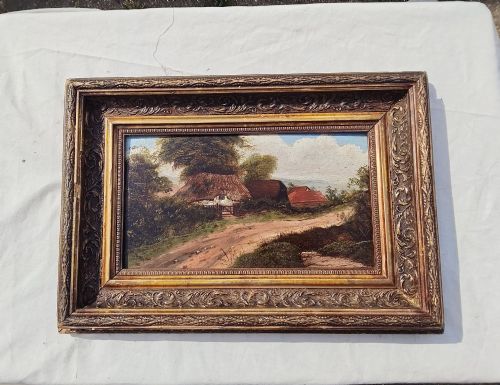
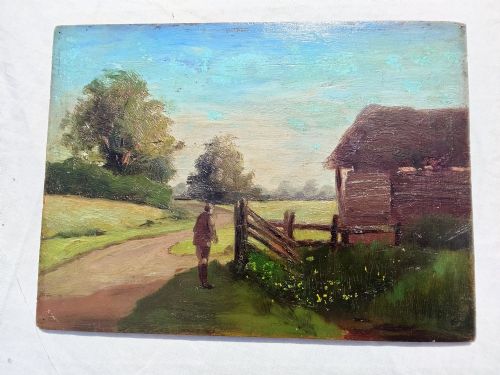
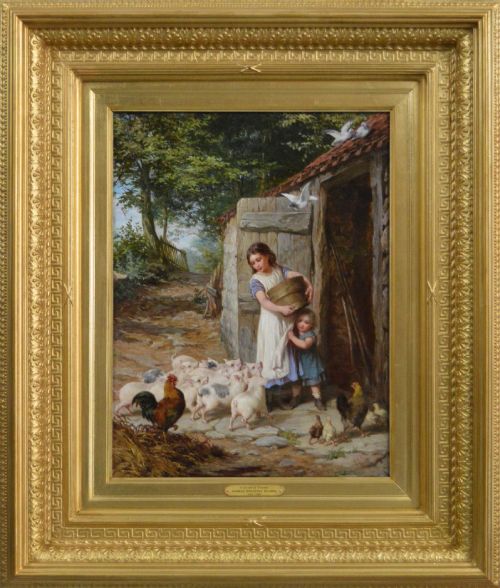
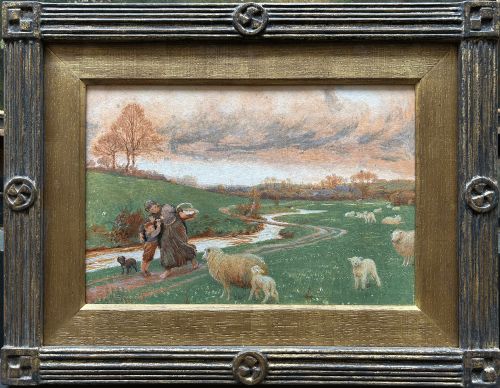
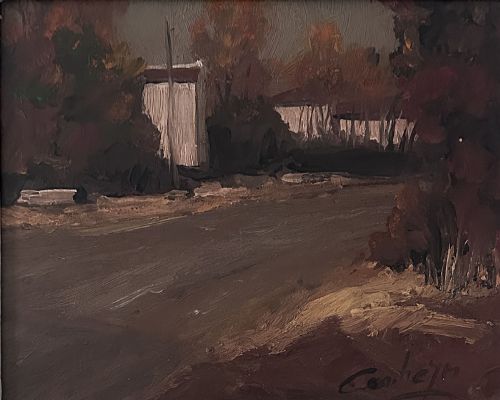
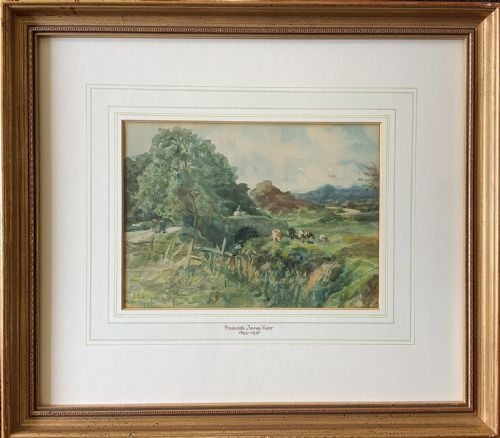
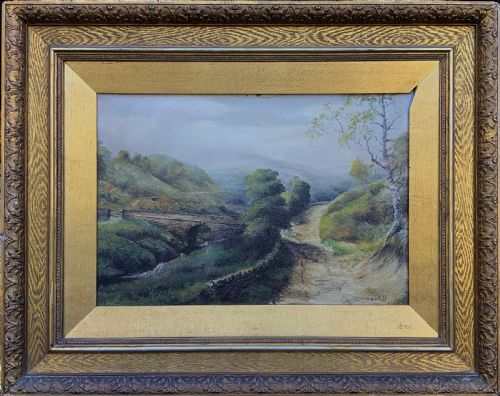
When you search for vintage rural scene artwork, you encounter oil paintings, watercolours, and framed wall art depicting traditional country life. The subjects span cottages, farmyards, herding sheep, ploughing horses, and harvesting hay across various historic periods.
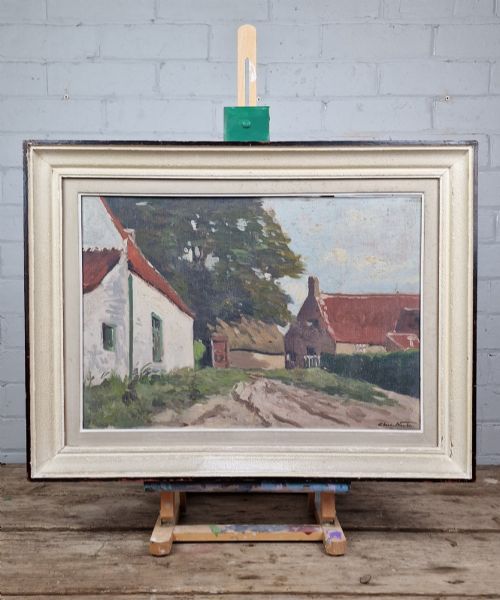
The pieces most frequently met on this page range from nineteenth-century watercolours to mid-twentieth-century oil paintings on canvas and wood. English, Scottish, and continental European schools provide the bulk of these pastoral depictions.
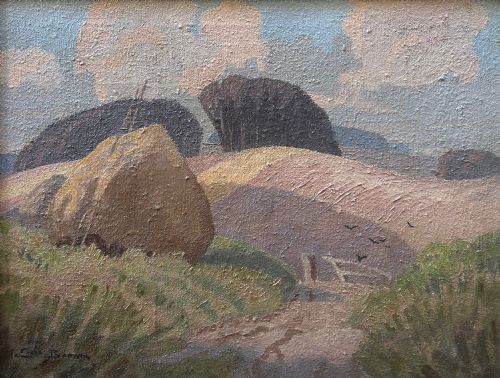
Works appear in styles including British Impressionism, Post-Impressionism, and traditional Edwardian and Victorian realism. Common compositions focus on cottages, livestock, agricultural labour, and quiet riversides.
How they were made
Artists painted primarily with oil paint or watercolour, applying pigment to stretched canvas, wooden board, oil on card, or heavy paper. Many works retain their original frames, occasionally accented with gold leaf.
Techniques vary from detailed academic realism to loose impressionistic brushwork that captures changing light in fields and farmyards. Supports include canvas, wood panels, and paper, matched with traditional media.
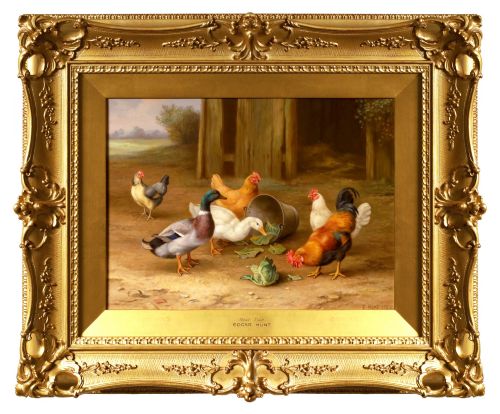
Several canvases capture pigs and poultry demanding their midday meal with surprising urgency.
What varies in quality
The capability of the artist shapes the standard of vintage rural scene artwork, distinguishing spirited hand-painted brushwork from conventional decorative production. Handling of natural light, atmospheric depth, and anatomical accuracy in animals separate accomplished pieces from simpler compositions.
Condition of the canvas, paper, or board alongside the preservation of the original paint surface dictates overall merit. Works that retain their period framing and display stable, untouched pigments hold greater integrity.
William Joseph Shayer Senior·George Augustus Holmes·Frederick James Kerr·Edgar Hunt·Umberto Volpato·Herbert Royle·Ernest Higgins Rigg·James William Booth·Owen Bowen·Ernest Pile Bucknall
The Vintage Rural Scene Artwork Glossary
- Oil on Canvas
- Pigment mixed with drying oil applied to a woven fabric surface stretched across a wooden frame. This medium allowed artists to build rich, textured layers.
- Watercolour
- Paint consisting of water-soluble pigments used on paper to create luminous, transparent washes. It was a favoured medium for detailed pastoral sketches and plein air studies.
- Post-Impressionism
- An art movement extending beyond impressionism that prioritised symbolic content and expressive use of colour. Practitioners applied bold brushwork to rural and domestic subjects.
- Genre Painting
- Depictions of everyday life involving ordinary people engaged in familiar activities. In this context, it covers agricultural tasks, feeding livestock, and village scenes.
- English School
- A term describing artists trained or working primarily within England, sharing common stylistic influences across generations. These painters documented domestic landscapes and rural traditions.
Vintage Rural Scene Artwork: Frequently Asked Questions
What subjects appear in vintage rural scene artwork?
These works typically depict agricultural activities, farm animals, thatched cottages, and quiet country landscapes. Common motifs include herding sheep, ploughing fields, harvesting hay, and farmyard poultry.
Scenes draw on Victorian, Edwardian, and mid-twentieth-century rural life across Britain and Europe.
How should I display these paintings at home?
Display paintings on neutral walls where natural light complements the pigments without causing direct fading. Traditional gilt or ebonised wood frames suit the period aesthetic of these pastoral works.
Keep pieces away from direct heat sources and damp environments to protect canvas, paper, and wooden panels.
How do I identify the period of a painting?
Examine the materials, framing style, and stretcher construction alongside any signatures or dates recorded on the reverse. Victorian and Edwardian works often utilise specific canvas stamps and heavier decorative framing.
Stylistic cues such as impressionistic brushwork or traditional academic realism also point towards particular decades.
What is the difference between oil and watercolour?
Oils use pigment suspended in drying oil on canvas or wood, offering rich textures and deep colour layering. Watercolours employ water-soluble pigments on paper, producing lighter, translucent effects.
Watercolours usually require glass protection in their framing, whereas oil paintings on canvas remain exposed to the air.