


Vintage Rural Landscape
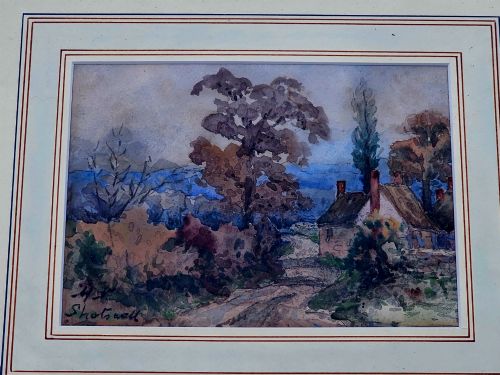
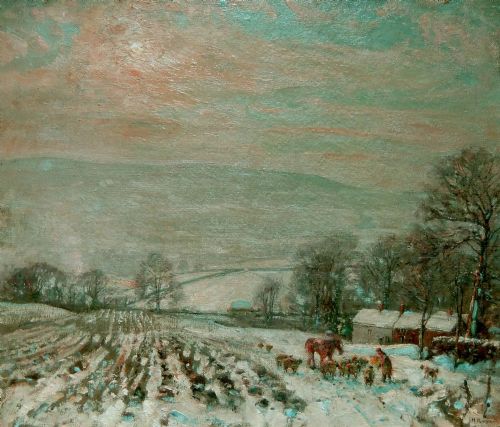
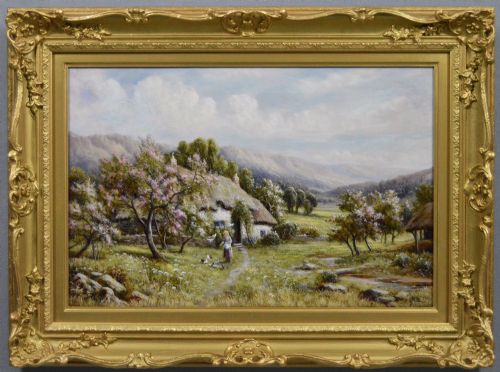
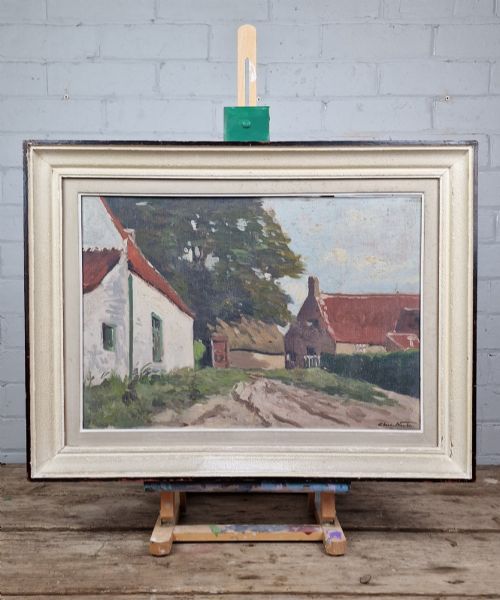
A vintage rural landscape captures country life through oil and watercolour, bringing farms, cottages and pastures onto the wall.
Vintage Rural Landscape
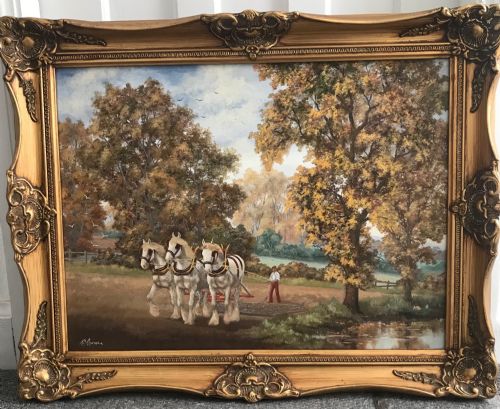
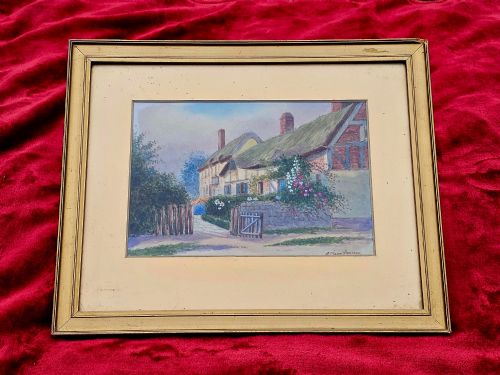
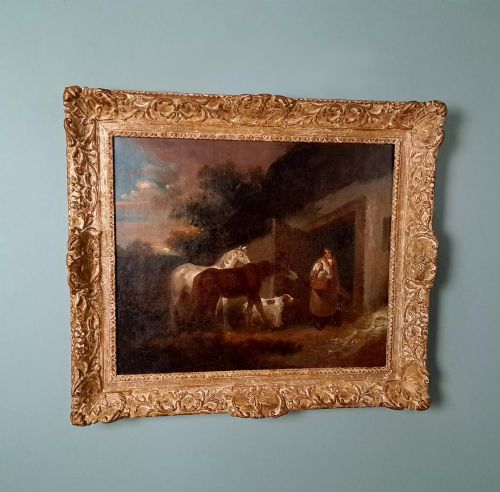
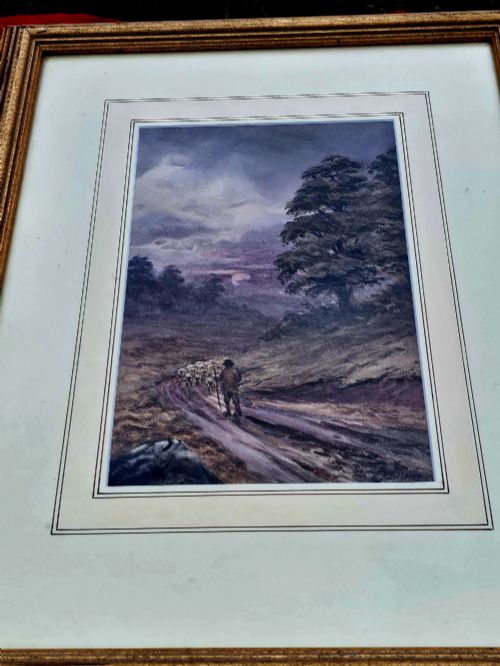
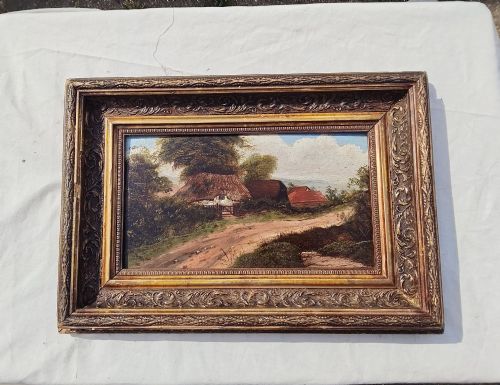
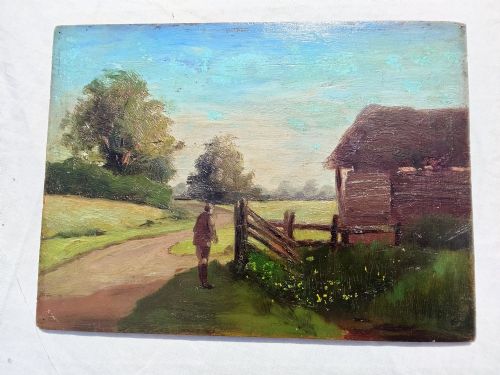
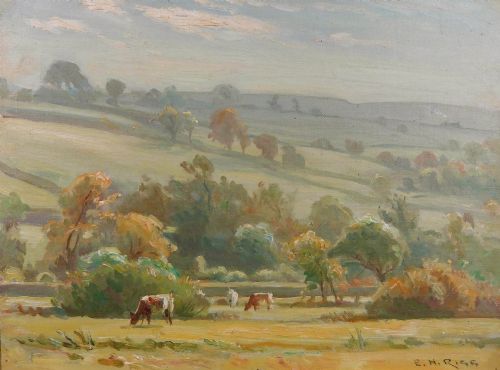
A vintage rural landscape captures open fields, farmyards and river scenes recorded across the nineteenth and twentieth centuries. These artworks focus on traditional country subjects, depicting horses, cottages, haystacks and agricultural life.
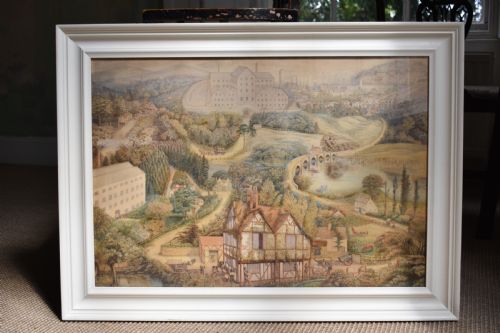
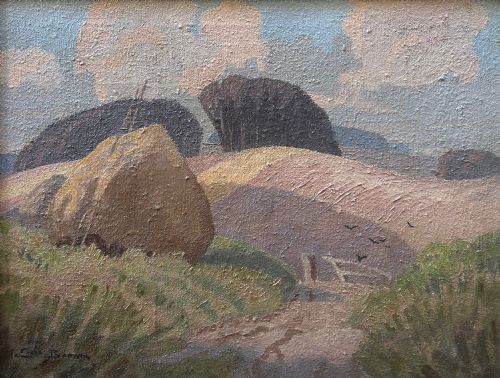
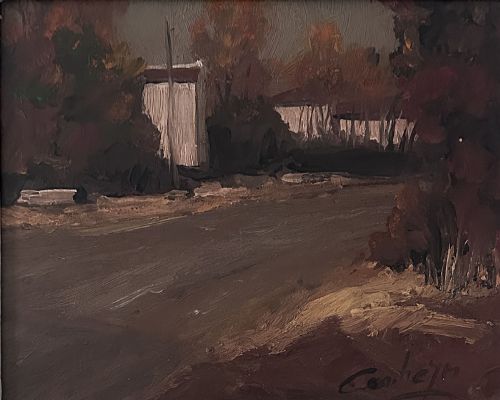
The pieces on this page appear primarily as oil paintings on canvas, board or card, alongside delicate watercolours on paper. Artists worked in varied styles ranging from traditional Victorian and Edwardian approaches to impressionist and post-impressionist interpretations.
Most examples originate from British schools, with occasional continental European works showing similar pastoral themes. They provide a direct window into historical rural existence through framed wall art and fine paintings.
Materials and technique
Artists applied oil paint and watercolour across canvas, wooden board, card and heavy paper to build these country scenes. Canvases and wooden panels often received a gesso layer to prepare the surface for pigment.
Brushes recorded fine details of livestock, foliage and architecture, while framing preserved the paper and canvas supports. Many works retain their period framing, utilising wood and glass to protect the painted surface.
Listings feature works spanning the nineteenth century through the mid twentieth century, utilising canvas, board, paper and oil paint.
Markers of quality
Quality rests in the handling of light, brushwork confidence and the accurate depiction of rural atmosphere. Stronger examples display assured perspective and dynamic composition rather than rigid copying.
The permanence of the support and the preservation of the original pigments dictate the endurance of each piece. Skilled application of oil or watercolour brings depth to foliage, water and skies.
George Graham·A Marie Parsons·William Joseph Shayer Senior·EJ Letheren·Herbert Royle·Robert John Hammond·Charles Houben·Frederick Walker·Eric Brown·Ernest Higgins Rigg·Frederick James Kerr·Umberto Volpato·Herman S Melville·George Morland·Sydney Yates Johnson·Charles Clair·Harry Freckleton·Henry Charles Fox·William JB Jenkins·Cuthbert Crossley·Reginald Grange Brundrit·Fred Lawson·James William Booth
The Vintage Rural Landscape Glossary
- Oil paint
- Pigment suspended in drying oil, allowing rich colour blending and textured impasto application. This medium dominated nineteenth and twentieth century canvas painting.
- Watercolour
- Pigment ground in a water-soluble binder, applied to paper to achieve translucent washes of colour. It suits delicate atmospheric country sketches.
- Gesso
- A plaster mixture applied to wood or canvas to create a smooth surface for painting. It provides a stable foundation for oil pigments.
- Impressionist
- A style focusing on transient effects of light and spontaneous brushstrokes rather than tight academic detail. Artists captured the changing mood of rural fields.
- Post-Impressionism
- A subsequent movement exploring emotional response and structural form beyond strict impressionist observation. Works in this manner emphasise distinct colour and brush mark.
Vintage Rural Landscape: Frequently Asked Questions
What subjects appear in these landscapes?
The artworks depict farms, cottages, rivers and agricultural workers tending fields. Horses, sheep and hay wagons frequently populate the rural views.
Scenes also record specific villages and regional countryside across Britain and Europe.
How do I hang a framed painting safely?
Select a wall away from direct sunlight and excessive moisture to protect canvas and paper supports. Use sturdy picture hooks matched to the weight of the wooden frame.
Ensure the hanging wire or brackets securely fasten to the back of the artwork.
How can I date an old painting?
Examine the materials, stretcher bars and paper type for signs of historical manufacture. Signatures, inscriptions on the reverse and framing styles offer further clues to the period.
Comparative study of recorded artist working dates helps narrow the timeline.
What is the difference between oil and watercolour?
Oil paint utilises a slow-drying oil binder on canvas or board, producing opaque layers and textured brushwork. Watercolour employs water-soluble pigment on paper, creating luminous translucent washes.
Oils generally require protective framing without glass, whereas watercolours need glass to prevent paper damage.