


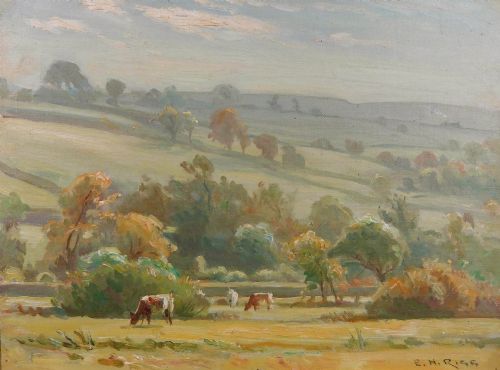
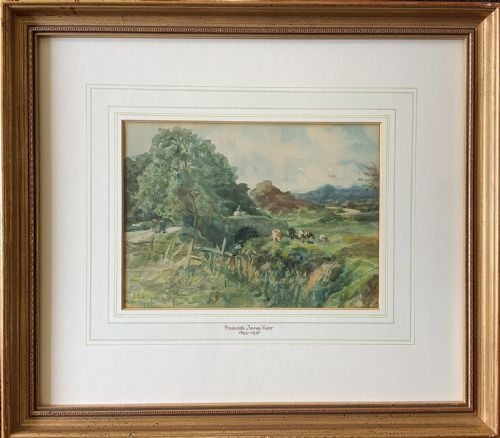
Vintage Rural Landscape Artwork
These vintage rural landscape artwork pieces capture traditional country scenes in oil and watercolour across the nineteenth and twentieth centuries.
Vintage Rural Landscape Artwork
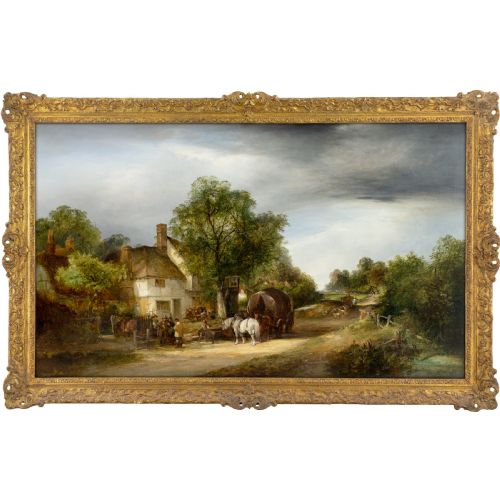
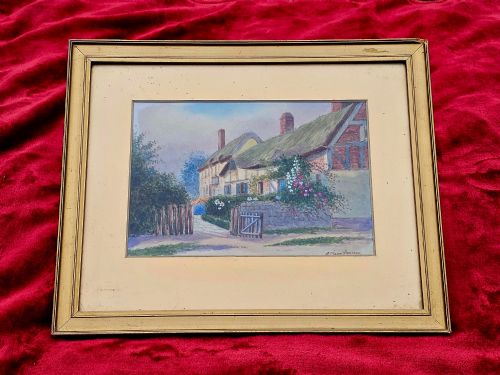
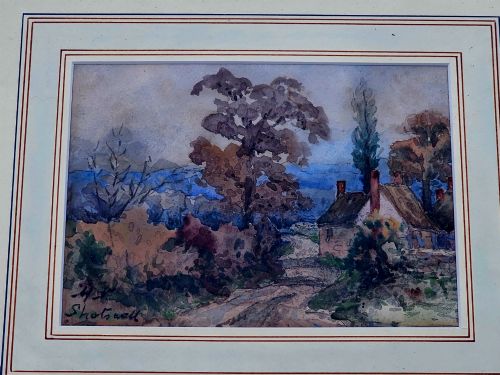
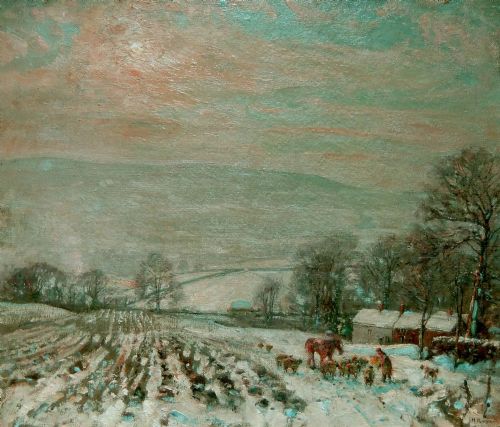
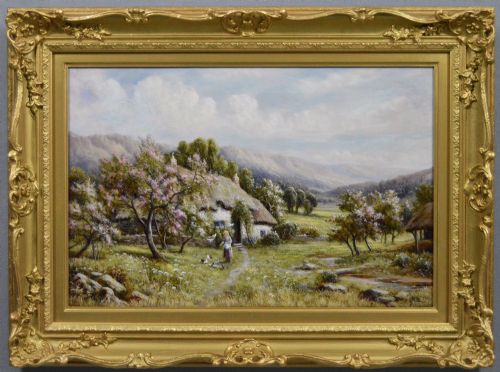
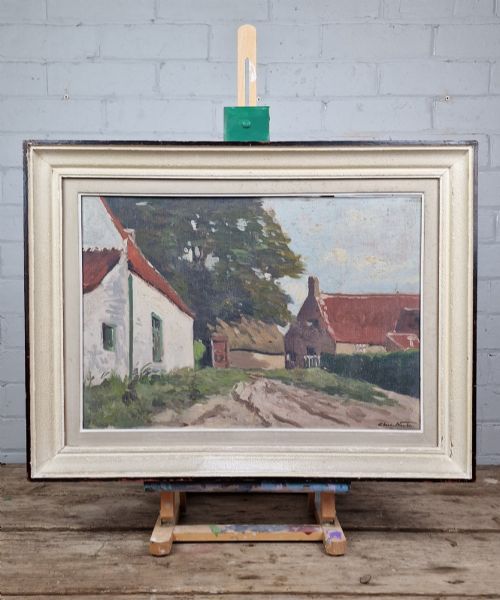
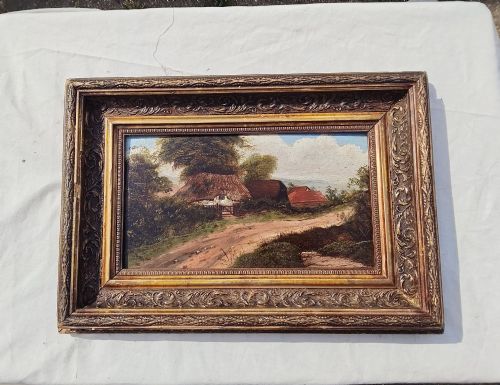
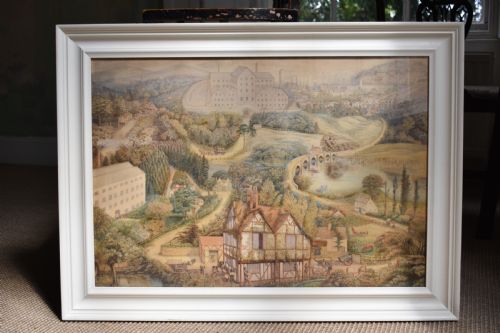
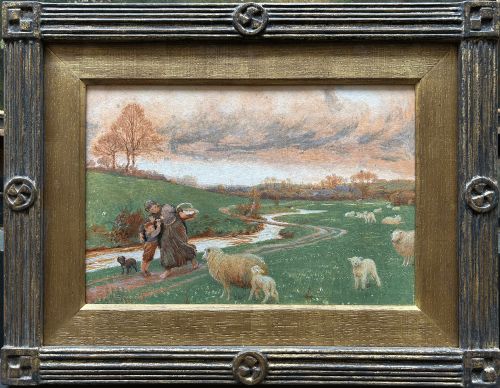
When you search for vintage rural landscape artwork, you encounter framed paintings and watercolours depicting country life, farms, cottages, and agricultural labour. The selection spans the nineteenth century through the mid-twentieth century, capturing pastoral views and rural scenes from British and European schools.
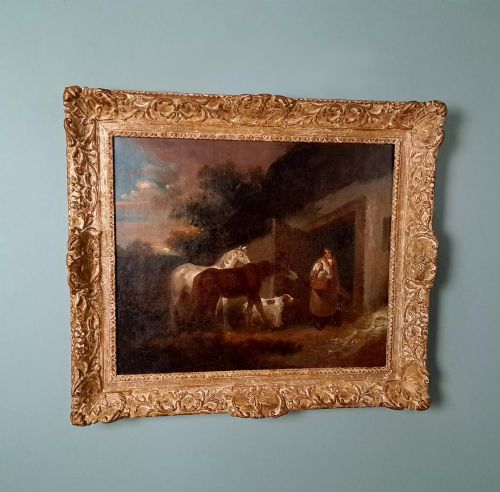
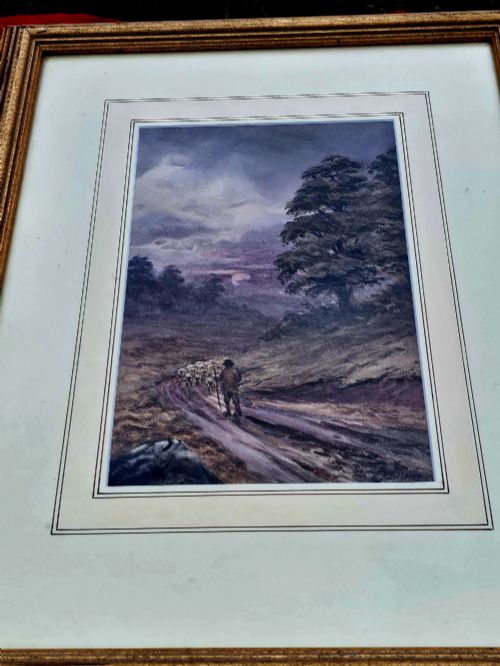
Most examples on this page date from the Victorian era up to the 1960s, featuring oil on canvas, wood, board, and card, alongside watercolours on paper. Subjects range from horse ploughing and sheep herding to quiet farmyards, rivers, and harvest scenes.
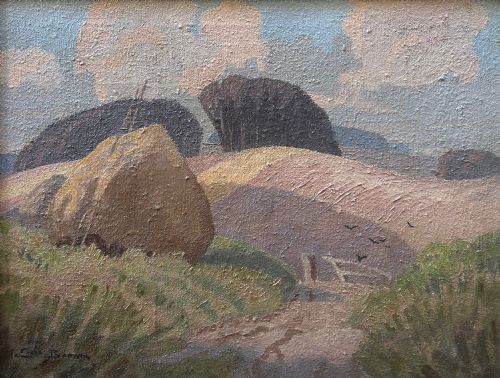
The works reflect movements such as British Impressionism, Post-Impressionism, and traditional country styles. Painters recorded specific locales, from Yorkshire views to Dorset lanes, preserving historical agricultural landscapes through varied artistic interpretations.
How they were made
Artists applied oil paint or watercolour using brushes onto supports of canvas, wood, board, card, or paper. Many works retain their period wooden frames, occasionally accented with gilt finishes.
Techniques vary from detailed academic watercolours to looser Impressionist and Post-Impressionist brushwork on canvas. Support materials dictate the surface texture, with coarse canvas and smooth wooden boards each shaping the final painted imagery.
Several canvases faithfully record horses pausing from their labour to inspect the painter.
What varies in quality
Quality rests in the handling of light, atmosphere, and the confidence of the brushwork across the rural scene. Works by established named artists display a greater mastery of composition and depth than anonymous school pieces.
The preservation of the original paint layer and the condition of the supporting canvas, wood, or paper influence the integrity of the piece. Period framing and documented artist provenance further elevate the standing of individual artworks.
A. Marie Parsons·William Joseph Shayer Senior·EJ Letheren·Herbert Royle·Robert John Hammond·Charles Houben·Frederick Walker·Eric Brown·Ernest Higgins Rigg·Frederick James Kerr·Umberto Volpato·Herman S Melville·George Morland·Charles Clair·Harry Freckleton·Henry Charles Fox·William JB Jenkins·Cuthbert Crossley·Reginald Grange Brundrit·Fred Lawson·James William Booth·Owen Bowen
The Vintage Rural Landscape Artwork Glossary
- Oil paint
- Pigment suspended in a drying oil, typically linseed, allowing for rich colour depth and layered application. This medium dominates nineteenth and twentieth-century rural landscape paintings.
- Watercolour
- Pigment ground in a water-soluble binder, traditionally applied to paper to create transparent washes of colour. It is frequently employed for delicate topographical and pastoral views.
- British Impressionism
- A late nineteenth and early twentieth-century painting style focusing on natural light, loose brushwork, and everyday subjects. Practitioners often depicted rural labourers, farm animals, and open countryside.
- Post-Impressionism
- An art movement extending Impressionism while rejecting its limitations, emphasising symbolic content and clearer structural forms. Works in this vein show expressive application of paint to rural subjects.
- Provenance
- The documented history of ownership and origin of an artwork, establishing its authenticity and lineage. Studio sales and artist exhibitions often provide this supportive paper trail.
Vintage Rural Landscape Artwork: Frequently Asked Questions
What subjects appear in these rural artworks?
The artworks predominantly feature agricultural scenes, including shire horses ploughing fields, sheep being driven to market, hay carts, thatched cottages, and river landscapes. These motifs document traditional country life from the Victorian era into the mid-twentieth century.
Artists captured both working rural environments and quiet pastoral views, offering a visual record of farming practices and village architecture across Britain and Europe.
How do I date a vintage landscape painting?
Dating relies on stylistic evidence, signatures, framing materials, and the substrate used, such as canvas, wood panel, or card. Victorian and Edwardian works often exhibit specific academic or early impressionist handling, while mid-century pieces show looser modernist tendencies.
Examine the reverse of the work for exhibition labels, artist inscriptions, or stamps that provide clues to the exact period of creation.
Are these works original or prints?
The listings comprise original paintings and watercolours executed by hand, rather than mechanical reproductions or prints. Each piece represents a unique artistic creation drawn or painted directly onto the support.
Close inspection reveals brush texture, pigment layering, and the physical interaction between the medium and the canvas, paper, or board.
How should I display a vintage painting?
Display these works away from direct sunlight and excessive humidity to protect the pigments and organic supports like canvas and paper. Maintaining stable indoor temperatures preserves the integrity of both the paint layer and the period frame.
Ensure the artwork hangs securely from appropriate wall fixings suited to the weight of the wooden frame and backing board.