

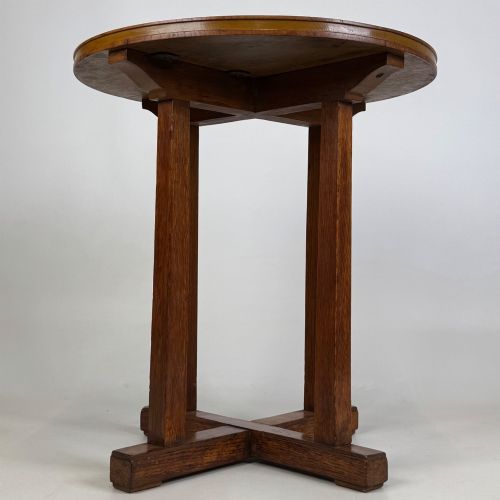
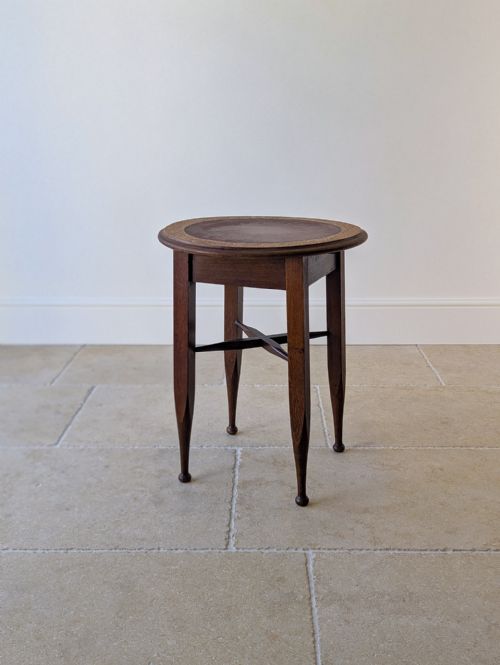
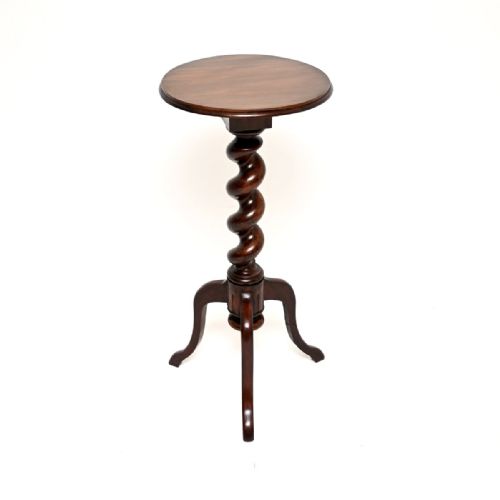
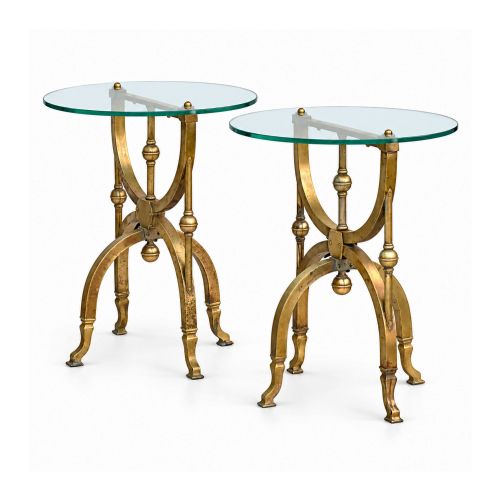


Vintage Round Lamp Stand
These vintage round lamp stand pieces offer compact elegance and practical surfaces, bringing period character and sturdy utility to any corner of a room.
Vintage Round Lamp Stand
A vintage round lamp stand brings together various functional table forms designed to support illumination and hold small items within domestic spaces. When searching for this phrase, buyers encounter circular surfaces originating from the Georgian era through to the 1930s.
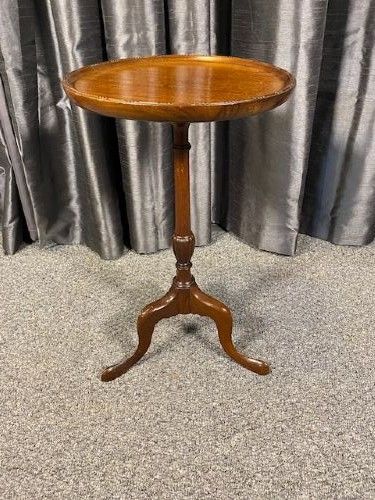
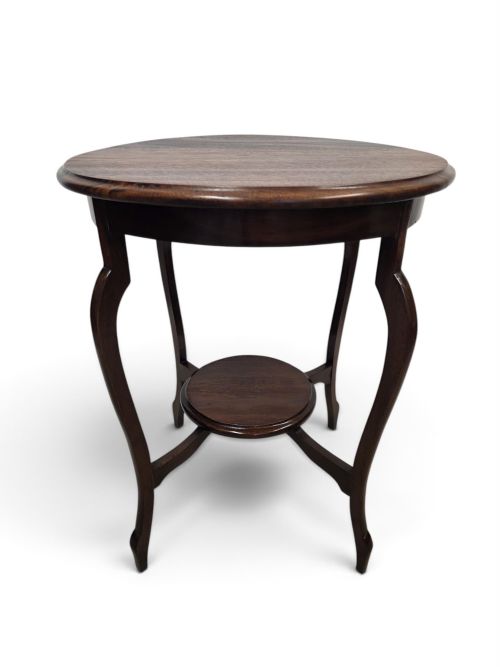
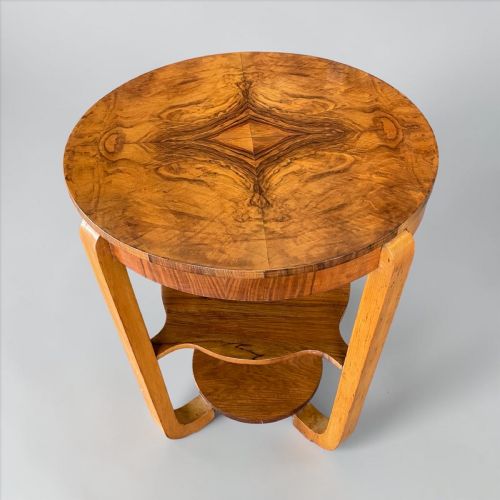
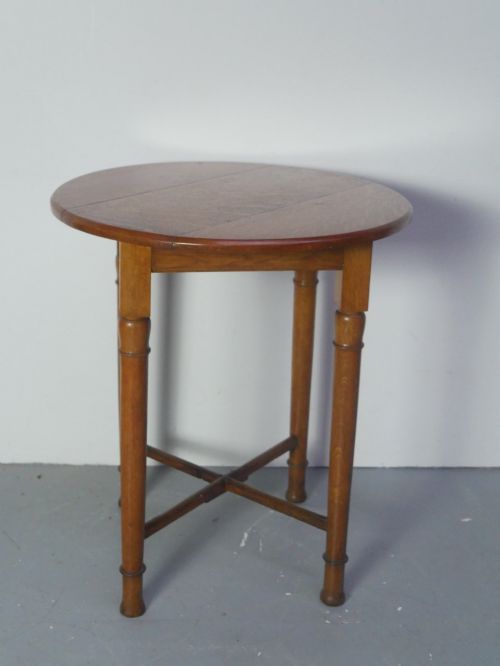
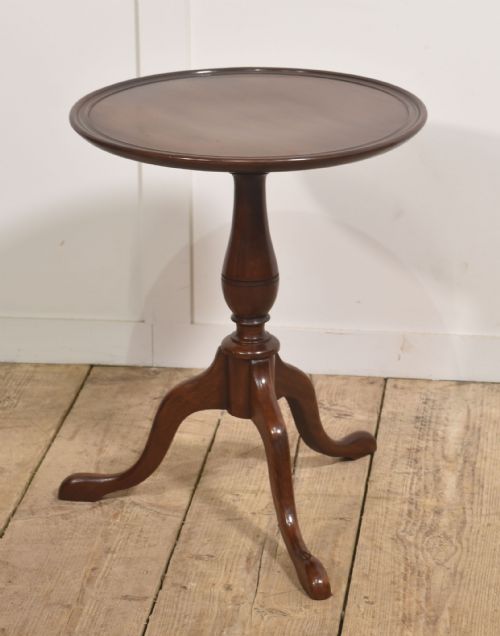
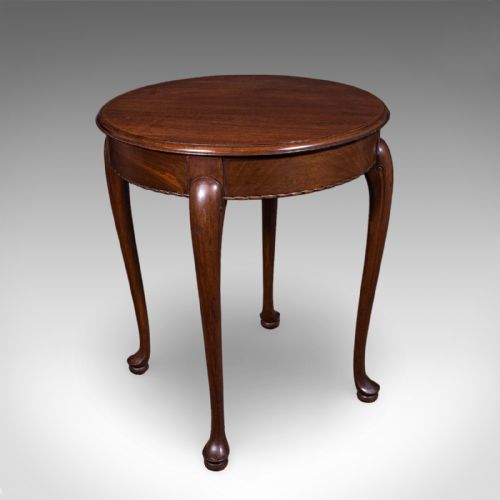
The selection here draws heavily from the Edwardian period and the early twentieth century, alongside Victorian, Art Deco, and Georgian examples. These pieces typically manifest as occasional tables, wine tables, side tables, and small tripod tables.
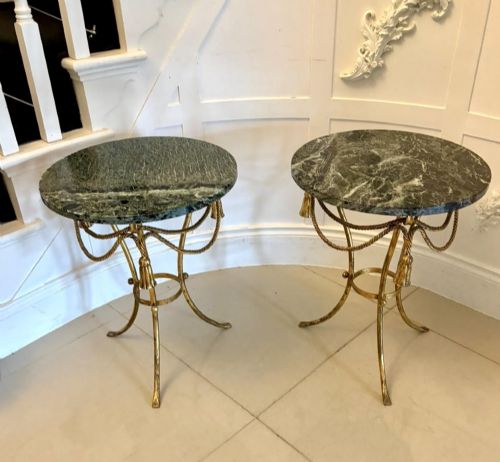
Materials span from rich timbers like mahogany, oak, walnut, satinwood, and teak through to brass, marble, and glass. The diverse styles range from plain utilitarian items to decorated pieces influenced by Classical Revival, Sheraton Revival, Louis XV, and Louis XVI designs.
Materials and construction
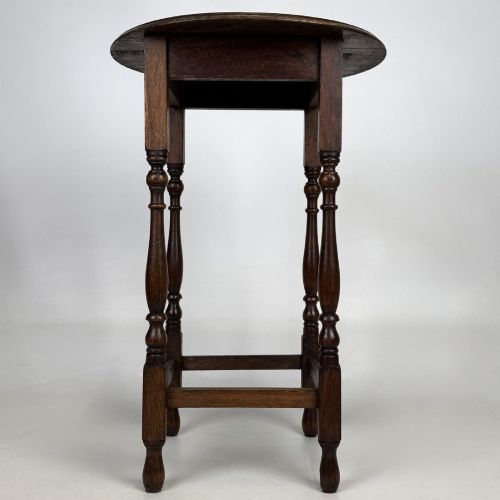
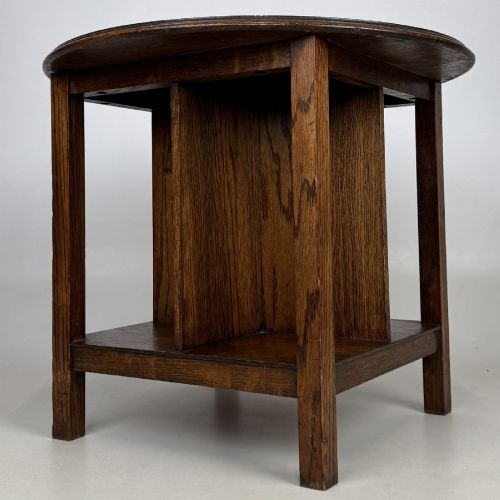
Cabinetmakers utilised dense hardwoods such as mahogany, oak, and walnut for the structural frames and circular tops of these tables. Construction techniques often involved turned pedestals, tripod legs, and occasionally inlaid veneers or painted satinwood finishes.
Alternative materials enter the mix through brass frameworks, marble tops, and glass inserts, particularly evident in Art Deco and twentieth-century interpretations. Joinery traditions varied from traditional mortise and tenon joints in earlier oak pieces to fine cabinet work on Edwardian satinwood models.
Vintage Round Lamp Stand Retail Price Guide 2026
Typical asking prices for vintage round lamp stand among the pieces listed under this phrase on Sellingantiques today, from the lower quarter to the upper quarter. They describe what is for sale here now, not the wider market.
Some Edwardian tables likely spent their early mornings holding heavy porcelain washbasins before retiring to the parlour to hold tea and lamps.
Distinguishing quality in circular tables
Quality rests upon the selection of timber, the crispness of carved details, and the stability of the central pedestal or leg assembly. Superior examples display carefully matched wood grains, precise inlay work, and solid brass or marble components that sit true within their frames.
Lighter utilitarian tables contrast with finely proportioned wine tables and Sheraton Revival pieces where attention was paid to proportions and surface decoration. The integrity of the original joints and the quality of the timber finish separate standard production items from finer workshop pieces.
Waring & Gillow
The Vintage Round Lamp Stand Glossary
- Wine table
- A small, usually circular occasional table with a pillar and tripod base, traditionally used for holding glasses and decanters. These pieces date across Georgian and later nineteenth-century periods.
- Tripod table
- A small circular table supported by a pillar above three spreading legs. This design provides stable placement on uneven floors.
- Occasional table
- A small table intended for intermittent use around a living space. They appear in numerous timber and style variations across Edwardian and twentieth-century inventories.
- Inlay
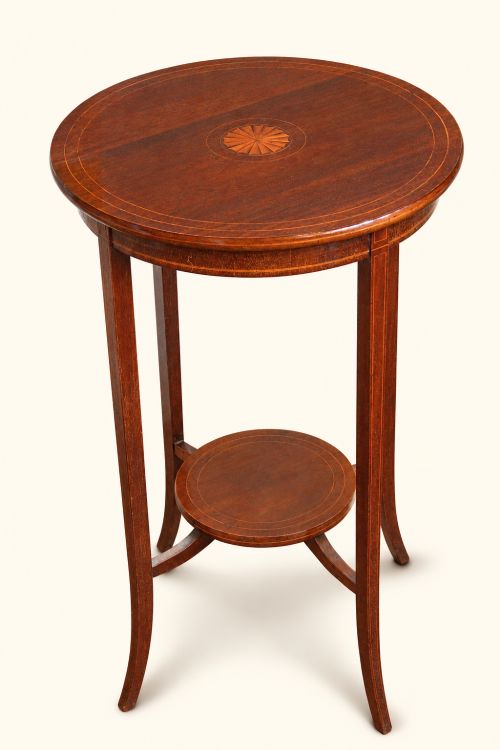
- A technique where pieces of contrasting wood, shell, or metal are inserted into depressions within the base material to form decorative patterns. This work frequently appears on Edwardian mahogany surfaces.
- Gueridon
- A small ornamental stand or table, often French in origin and round in shape. These can incorporate marble tops and two-tier designs.
Vintage Round Lamp Stand: Frequently Asked Questions
What is a vintage round lamp stand used for?
These tables provide a stable surface for holding table lamps, books, or drinks in sitting rooms and hallways.
Their compact circular tops allow them to fit into tight corners where rectangular furniture would prove too bulky.
How do I identify an Edwardian round table?
Edwardian examples frequently feature mahogany or inlaid satinwood surfaces with light, refined proportions derived from earlier revival styles.
Look for crisp edgework, subtle string inlay, and slender turned pedestals that distinguish them from heavier Victorian counterparts.
Are these tables sturdy enough for daily use?
Most pieces possess solid timber frames and tripod or pedestal bases engineered to support everyday domestic items securely.
Tables featuring marble or heavy brass elements offer additional weight and stability for holding larger lamps.
How do Georgian and Art Deco lamp stands differ?
Georgian versions typically exhibit understated mahogany construction with tripod bases and tilting or fixed circular tops.
Art Deco alternatives embrace modern materials like marble and brass alongside clean geometric lines reflecting 1930s design trends.