




Edwardian Circular Tea Table
An Edwardian circular tea table brings compact surface space and inlaid timber detail to a sitting room without dominating the floor plan.
Edwardian Circular Tea Table
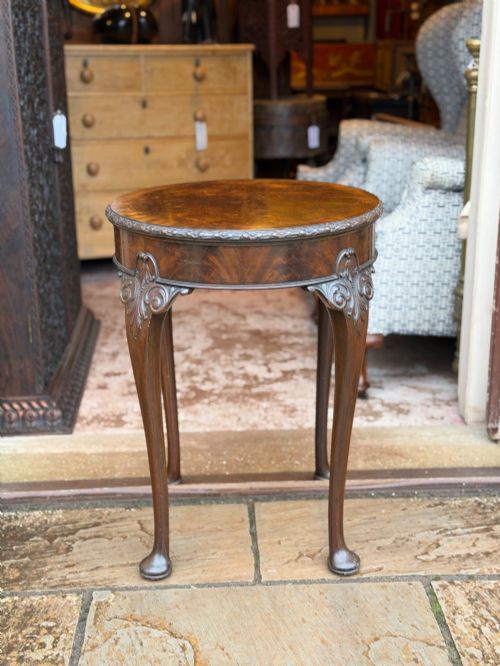
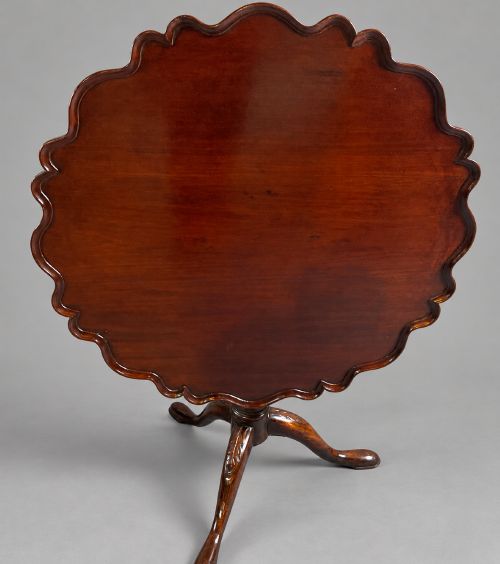
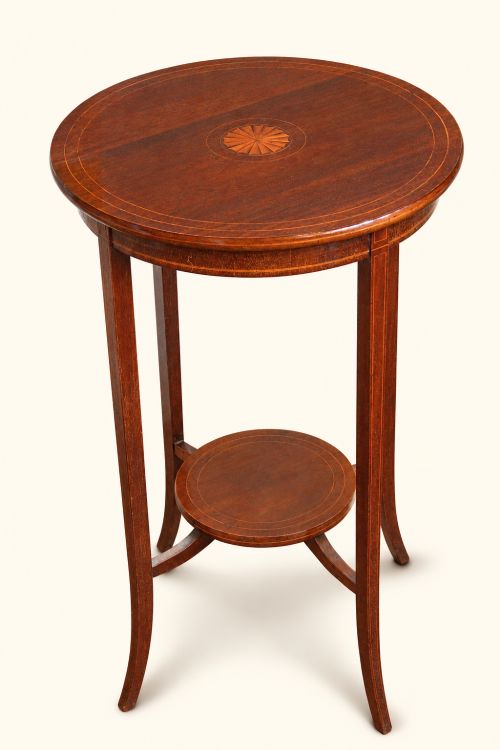
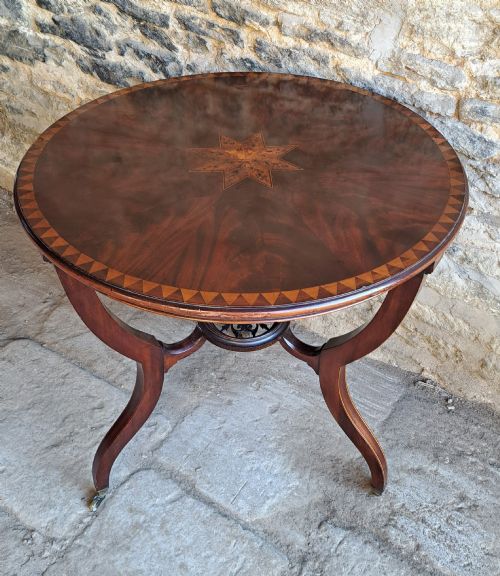
An Edwardian circular tea table is a domestic surface typically encountered in mahogany, walnut, or satinwood, often featuring inlaid decoration and occasional tiers. While the phrase points directly to the Edwardian period, the selection includes related round tables spanning the nineteenth and early twentieth centuries, alongside distinct stylistic revivals.
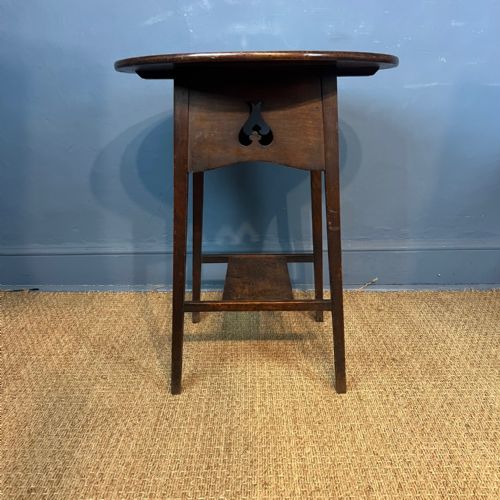
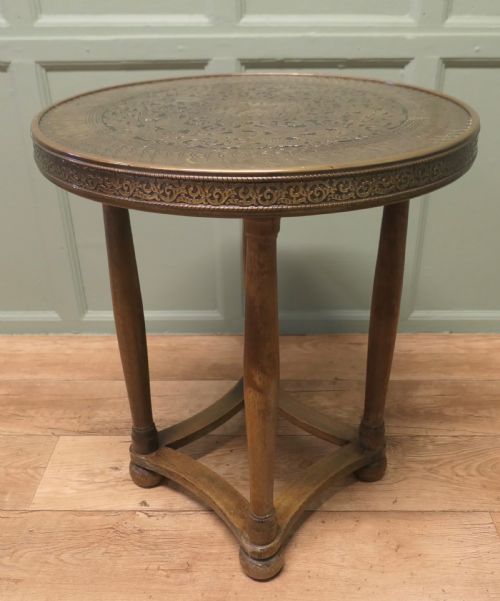
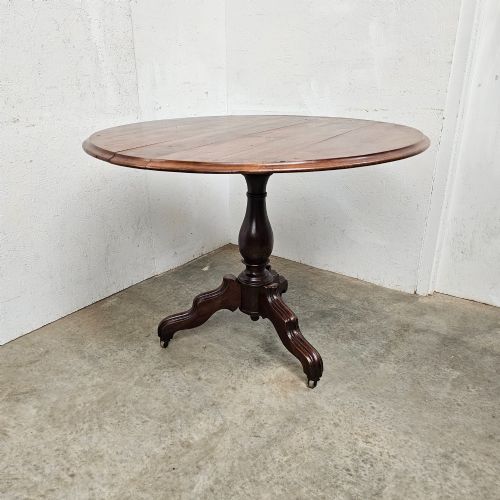
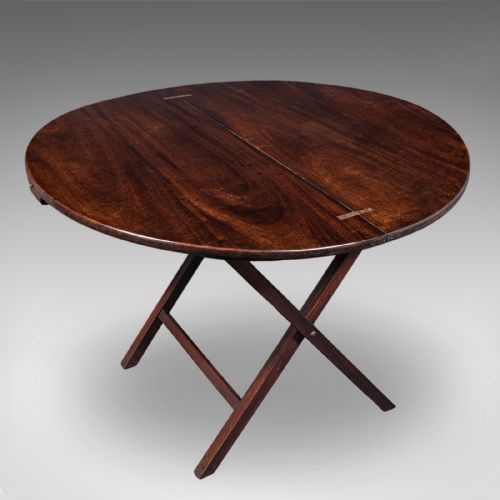
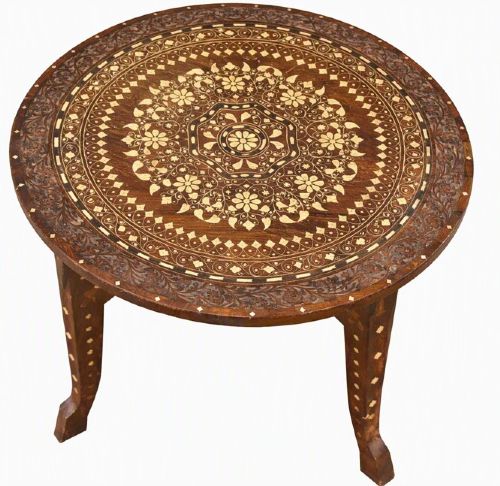
The forms vary from simple tripod coffee tables and lamp tables to elaborate Sheraton revival centre tables and Anglo-Indian bone-inlaid occasional pieces. Buyers frequently encounter variations in height and diameter, designed to sit beside armchairs or occupy the centre of a room for display and daily use.
Makers and workshops of the era utilised circular formats to showcase contrasting timber grains, banding, and stringing. These tables served practical functions for tea service, reading material, and lamps, adapting to changing domestic routines across the early twentieth century.
How they were made
Makers constructed these tables using solid woods and supportive veneers, frequently combining mahogany, walnut, and oak with contrasting stringing in boxwood. Timber was selected for grain movement and stability, allowing round tops to remain true over decades of atmospheric change.
Inlaid decoration relied on fine hand-cut veneers and precise marquetry techniques, embedding satinwood, ebony, and bone into primary surfaces. Turned pedestals, tripod legs, and carved details required lathe work and hand-chiselling by skilled cabinet makers.
Edwardian Circular Tea Table Retail Price Guide 2026
Typical asking prices for edwardian circular tea table among the pieces listed under this phrase on Sellingantiques today, from the lower quarter to the upper quarter. They describe what is for sale here now, not the wider market.
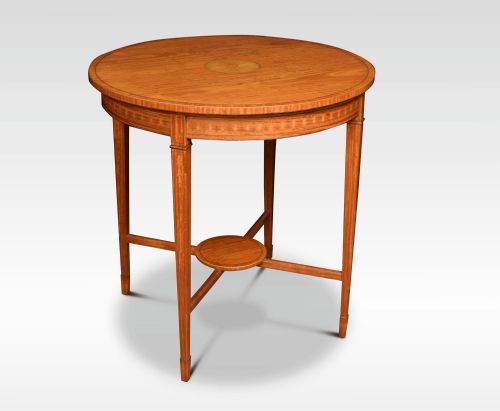
Listings feature mahogany, walnut, and satinwood alongside brass and bone inlay across Edwardian, Arts and Crafts, and Sheraton revival styles.
What varies in quality
Quality rests in the precision of the timber joints, the crispness of any inlay work, and the stability of the central pedestal or leg configuration. Superior examples display seamless veneering across the circular top and well-balanced proportions that prevent tipping under weight.
Finer pieces utilise high-grade timbers such as burr walnut or figured satinwood with intricate boxwood banding, whereas utilitarian examples rely on plain mahogany or oak with minimal ornament. The integration of secondary tiers, gallery rails, or documented retail stamps elevates the distinction of an individual piece.
Liberty & Co
The Edwardian Circular Tea Table Glossary
- Stringing
- A narrow strip of contrasting wood inlaid into the surface to form decorative borders or geometric outlines. This technique defines the edges of many Edwardian tabletops.
- Tripod table
- A freestanding table supported by three legs radiating from a central pillar. This construction provides stable footing on uneven floors.
- Satinwood
- A lustrous, hard timber native to Ceylon and India, prized for its golden yellow colour and reflective grain. It frequently forms the primary veneer in Sheraton revival pieces.
- Marquetry
- The art of applying small pieces of veneer to a structure to form decorative patterns or pictures. It appears on finer Edwardian tabletops and centre tables.
- Occasional table
- A small, movable table designed for a specific, transient purpose in a room. The term covers lamp tables, tea tables, and coffee tables.
Edwardian Circular Tea Table: Frequently Asked Questions
How do I style a circular table in a small room?
A round table fits easily into corners or beside seating without obstructing pathways, making it practical for restricted spaces. Placing a lamp or a small stack of books on the surface completes the arrangement.
Because the footprint is compact, these tables serve as flexible focal points that adapt to changing furniture layouts. They offer functional surface area without overwhelming surrounding pieces.
Can I use an antique tea table for daily coffee?
These tables were built to support heavy ceramic tea services, so normal daily use presents no structural difficulty. Using coasters protects the polished timber surface from moisture rings.
Most examples withstand standard household items comfortably. Regular dusting and occasional wax maintenance keep the polished finish resilient.
How do I tell an Edwardian table from a Victorian one?
Edwardian tables generally display lighter framing, brighter satinwood or mahogany veneers, and restrained inlay work influenced by Sheraton revivals. Victorian predecessors often feature heavier proportions, darker walnut or rosewood, and more robust carving.
Examining the underside and secondary timbers helps clarify the period of manufacture. Construction methods shifted toward lighter aesthetics as the nineteenth century closed.
What is the difference between an occasional table and a centre table?
Occasional tables are generally smaller and designed to be moved easily around a room to sit beside chairs or walls. Centre tables are finished on all sides to stand independently in the middle of a room.
Centre tables often feature more elaborate inlay and design work because they are viewed from every angle. Occasional tables prioritize practical utility and mobility.