
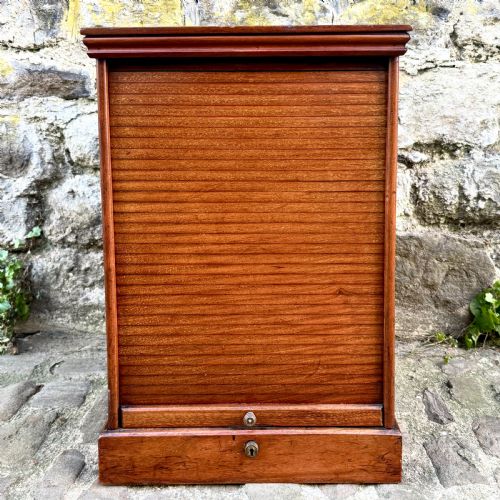
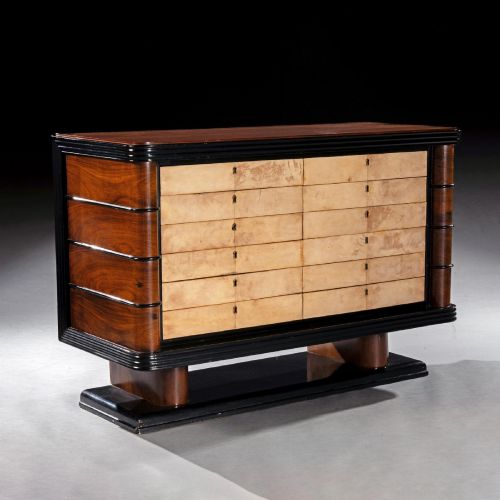
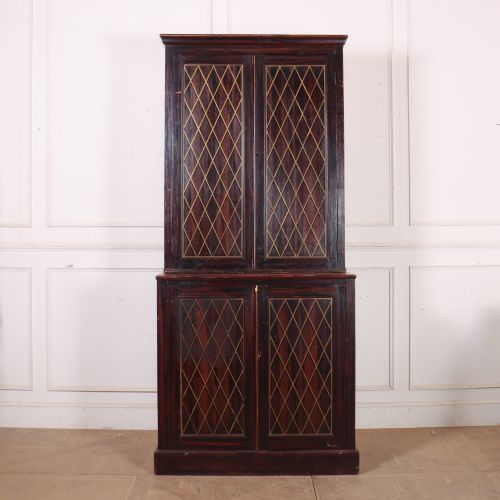
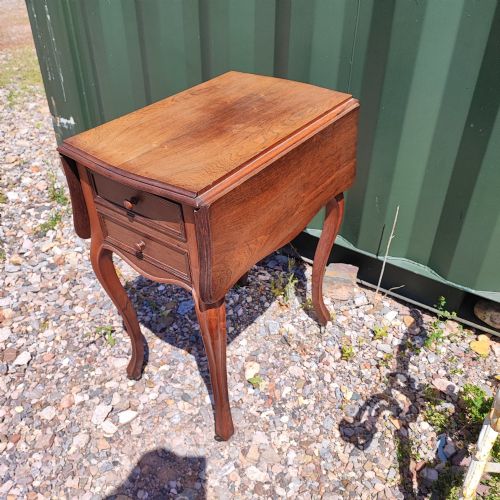
Vintage Rosewood Cabinet
A vintage rosewood cabinet brings rich, dark grain and refined joinery to a room, offering both display and storage.
Vintage Rosewood Cabinet
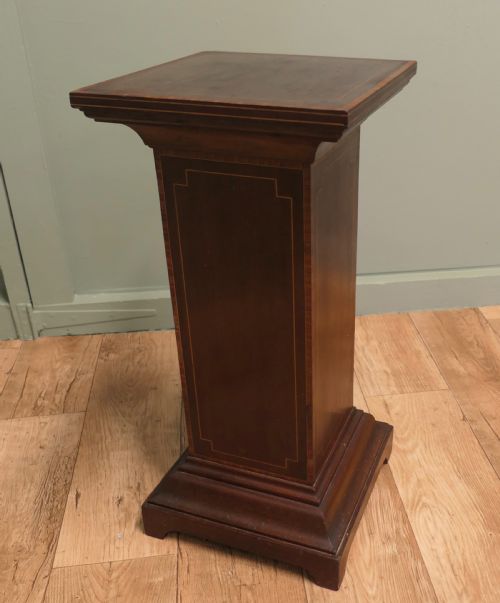
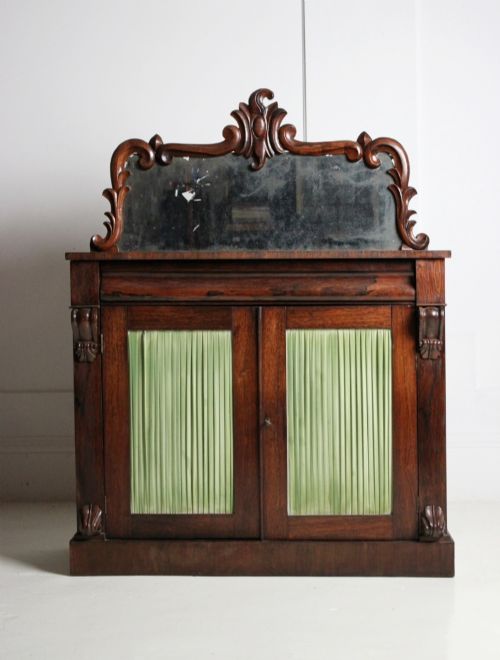
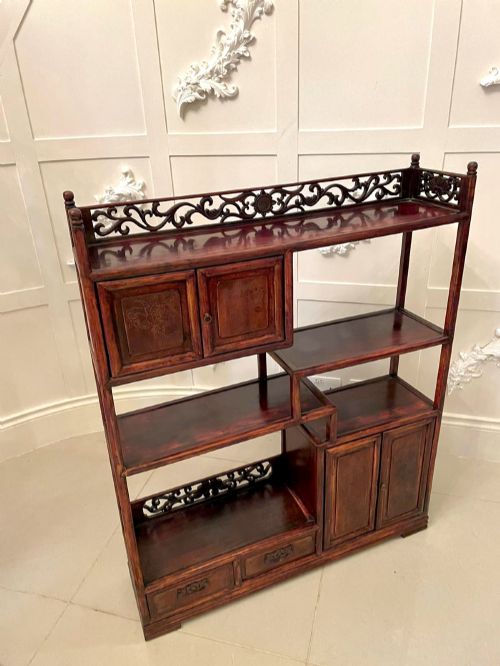
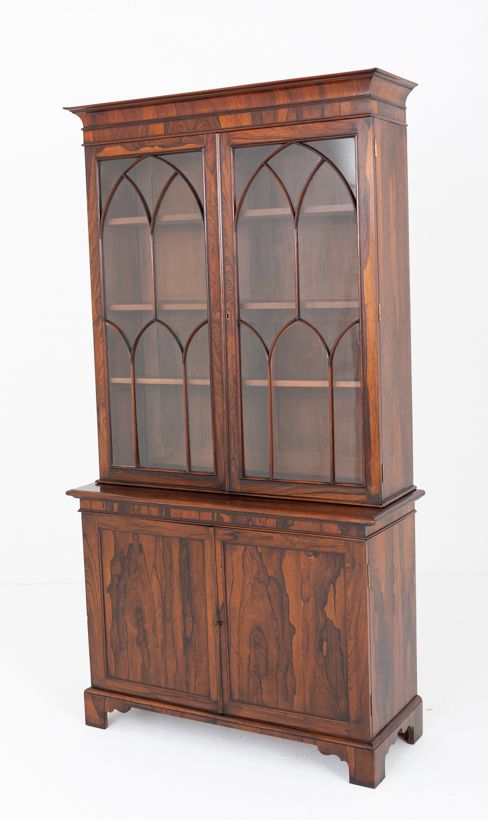
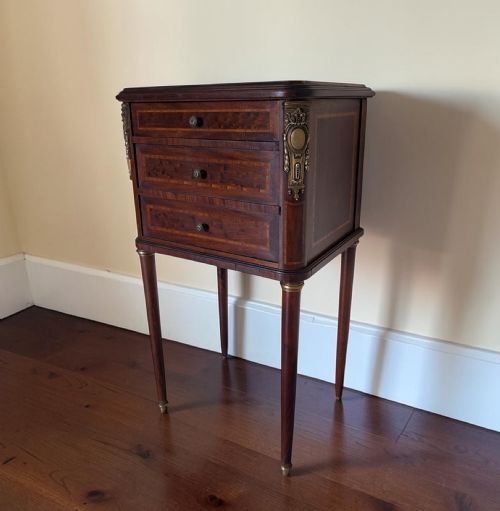
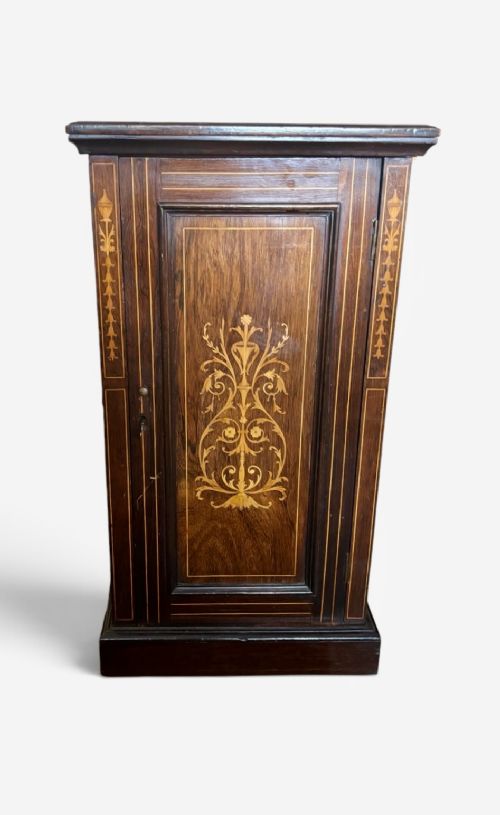
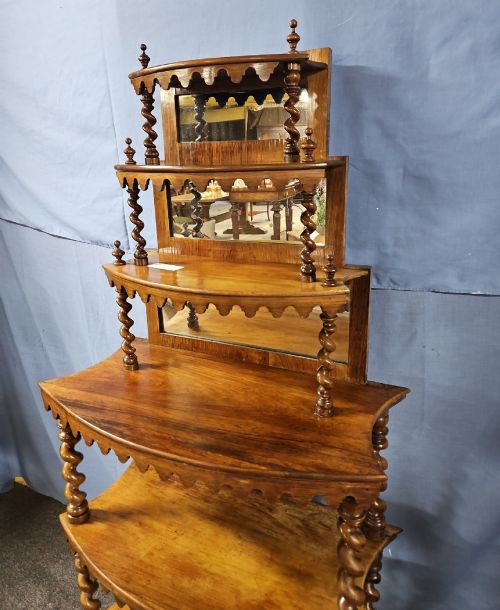
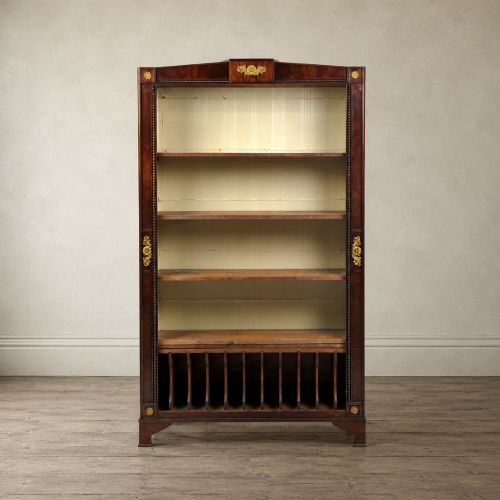
A vintage rosewood cabinet represents a diverse group of storage furniture built across the nineteenth and twentieth centuries, spanning periods from Regency and Victorian eras through to Art Deco and the 1930s. When searching for a vintage rosewood cabinet, buyers encounter forms ranging from open bookcases and pier cabinets to bedside cupboards, side cabinets, and commodes.
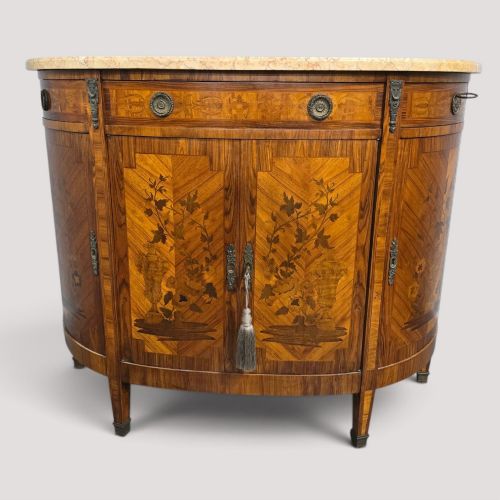
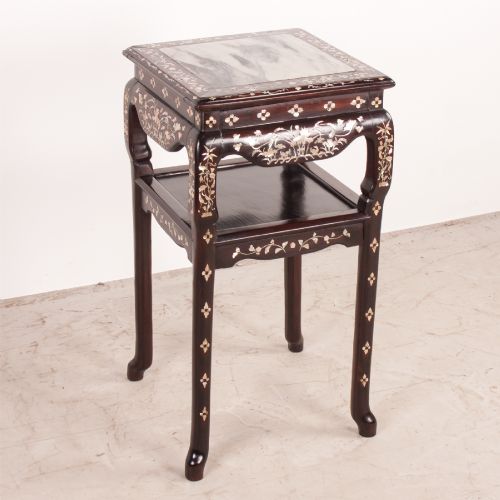
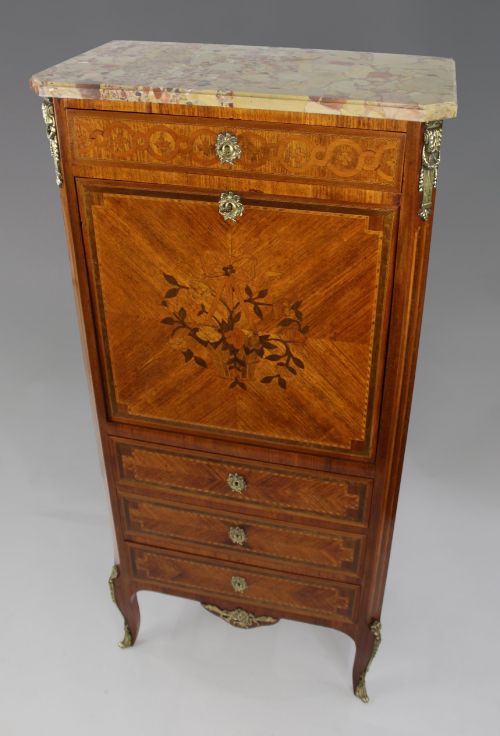
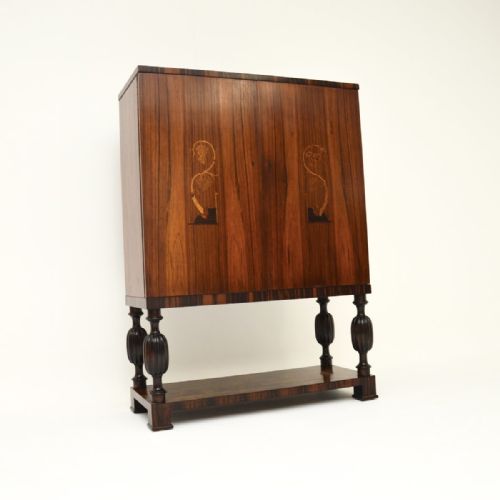
The selection here includes pieces influenced by French Louis XV style, Chinese Qing taste, and Swedish design, alongside classic British cabinet-making traditions. These items serve practical storage needs while anchoring a room with the deep tones and striking grain patterns characteristic of rosewood and related exotic hardwoods.
Assessing craftsmanship and finish
Quality in these cabinets rests upon the selection of the timber veneer and the precision of the marquetry work, where tighter, more complex floral patterns signal superior workshop output. The crispness of bronze ormolu mounts and the integration of brass gallery rails or handles further distinguish finer examples from standard production.
Structural integrity reveals itself in the smoothness of drawer operation, the snug fit of doors, and the preservation of original secondary elements like marble tops and glass. Finer pieces maintain balanced proportions and harmonious inlay work that remains stable across changing climates.
The archive includes Swedish vintage inlaid rosewood cabinets alongside British and French designs incorporating mahogany, kingwood, and ormolu.
The Vintage Rosewood Cabinet Glossary
- Rosewood
- A dense, heavily figured timber prized for its deep reddish-brown colour and dark grain patterning, widely utilised in fine cabinet-making. It takes a high polish and forms the primary aesthetic foundation for these pieces.
- Marquetry
- The art of applying decorative veneer pieces to a structure to form intricate floral or geometric designs. Craftsmen combine various coloured woods to create pictorial surfaces on doors and drawer fronts.
- Ormolu
- Gilded bronze mounts cast in decorative scrollwork or foliage patterns and fixed to furniture corners and mounts. It adds a metallic contrast to the dark wood surfaces, particularly on French-influenced pieces.
- Pier Cabinet
- A low display cabinet designed specifically to fit against the wall space between windows. These pieces often feature glass doors and internal shelving for displaying ceramics or small objects.
Vintage Rosewood Cabinet: Frequently Asked Questions
How do I date a rosewood cabinet?
Dating relies on combining stylistic markers, construction methods, and prevailing design movements associated with specific eras like Regency, Victorian, or Art Deco. Examining internal timbers and hardware offers further clues to the period of manufacture.
Cabinet forms changed from the architectural lines of the nineteenth century to the streamlined curves of the 1930s. Comparing decorative details such as marquetry motifs and metal mounts against known historical styles helps narrow down the decade.
What is the difference between solid rosewood and rosewood veneer?
Solid rosewood construction uses thick timber throughout the main body and structural components of the piece. This approach appears more frequently in earlier or heavier furniture.
Rosewood veneer involves applying thin sheets of figured timber over a stable secondary wood core, allowing makers to utilise expensive grain patterns efficiently. Veneering prevented warping on large flat surfaces while showcasing decorative grain.
Where should I place a rosewood cabinet?
These cabinets suit living rooms, studies, or hallways where their dark tones and figured grain can anchor the interior scheme. Smaller bedside versions function well as occasional tables in a bedroom.
Positioning furniture away from direct sunlight and heat sources protects the polished wood and delicate veneers from fading or drying out over time.
How do I clean and care for rosewood?
Maintenance requires dusting regularly with a soft, dry cloth to prevent abrasive particles from accumulating on the polished surface. Avoid using silicone-based sprays or harsh chemical cleaners.
Applying a traditional beeswax polish occasionally helps nourish the wood and maintain its subtle sheen. Keeping the environment at a stable humidity level prevents the timber and veneers from shifting.