







Vintage Room Divider Screen
These vintage room divider screen pieces create instant privacy and partition domestic spaces, drawing on global decorative traditions from the nineteenth and twentieth centuries.
Vintage Room Divider Screen
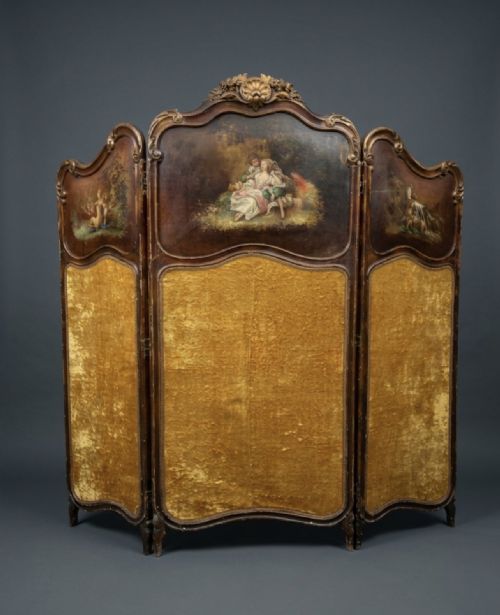
A vintage room divider screen is a multi-panel folding structure used to partition interior spaces, create private areas, or conceal sections of a room. When exploring this selection, buyers encounter everything from modest three-panel domestic dressing screens to large six-panel architectural partitions.
The objects span multiple periods, including Victorian, Edwardian, and early twentieth-century examples, alongside earlier stylistic revivals. Common formats incorporate folding panels made for bedrooms, drawing rooms, and dressing spaces to manipulate light and layout.
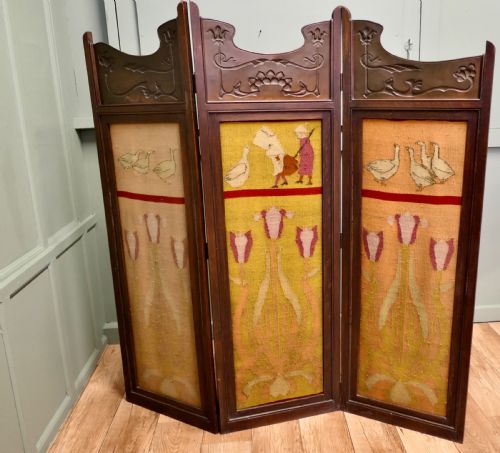
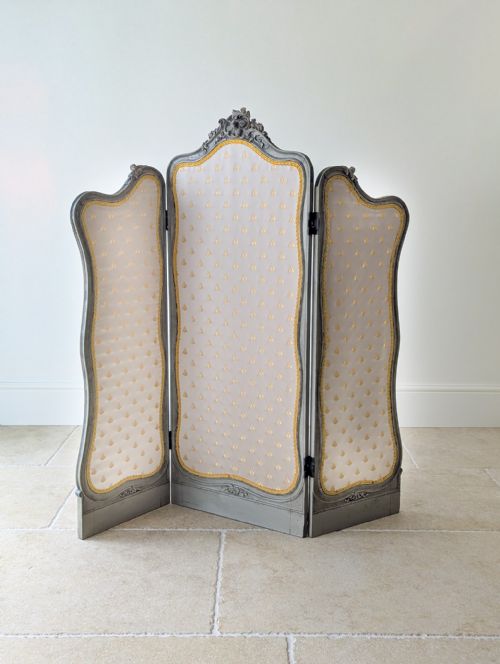
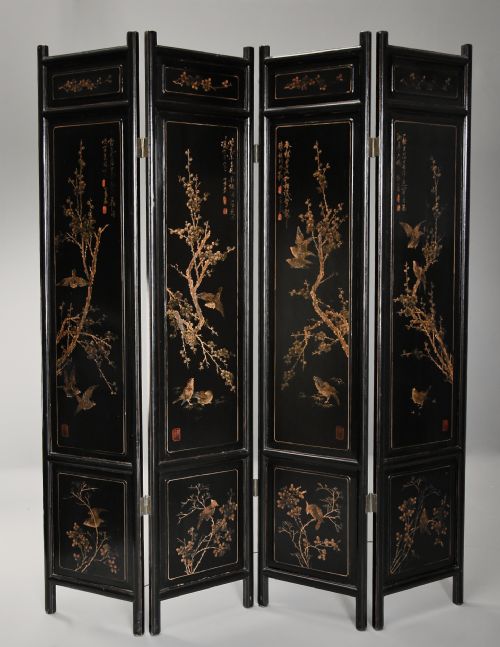
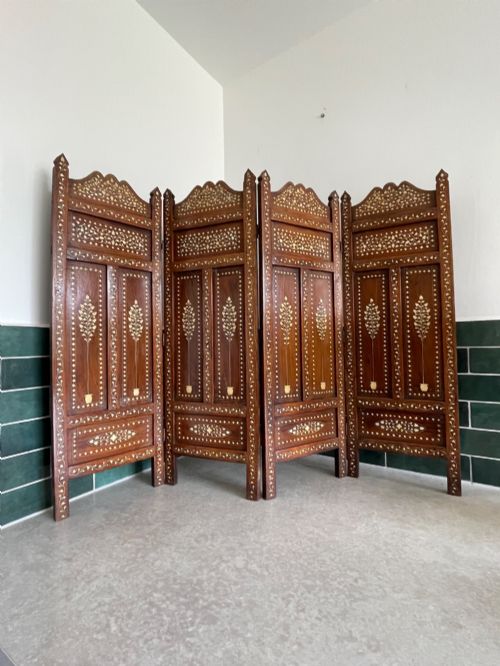
Geographic origins vary widely across the inventory, encompassing French walnut and painted designs, Anglo-Indian carved woodwork, Chinese black lacquer work, and Japanese textile panels. This diversity allows interior arrangements to reflect either European period elegance or distant decorative arts.
Materials and Construction Techniques
Makers built the primary frameworks of these folding partitions using solid timbers such as mahogany, oak, walnut, and padauk, often shaping them into hinged panels. Structural stability relied on precise joinery to support heavy inlays, glazed sections, or fabric inserts across multiple folds.
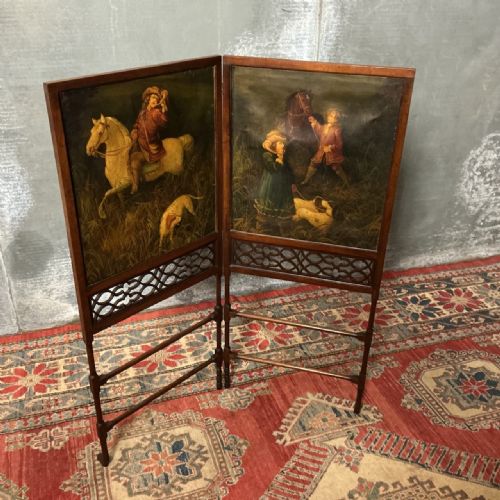
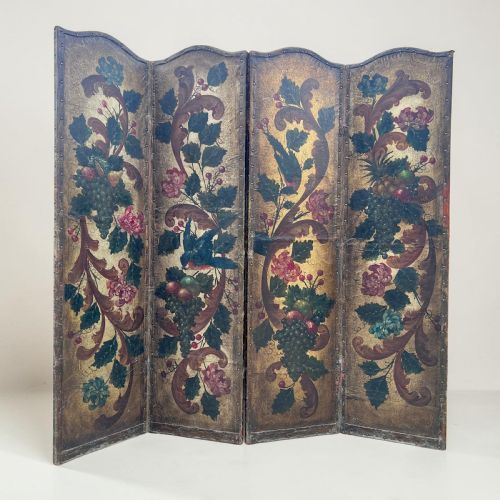
Surface decoration involved diverse specialist methods, including hand-painted oil canvases, gilt leather work, black lacquer finished with hardstone mounts, and needlepoint or wool panel insertions. Many examples combined carved fretwork frames with applied textiles, paper, or glass panes to balance opacity with decorative impact.
Evaluating Design and Execution
Quality in these folding partitions rests on the execution of the surface artistry and the integrity of the structural hinges. Superior examples display meticulous hand-painted detail, intricate relief carving, or authentic period lacquering rather than simplified stencilling.
The choice of materials dictates the distinction between standard room dividers and finer works, with dense hardwoods, substantial brass fittings, and genuine gilt leather elevating the piece. Comprehensive panel preservation and balanced proportions determine whether a screen functions as a commanding focal point or a minor accessory.
The Vintage Room Divider Screen Glossary
- Chinoiserie
- European interpretations of Chinese and East Asian artistic traditions, frequently applied to lacquered screens and painted furniture panels.
- Lacquer
- A durable resin finish built up in multiple layers on a wood substrate, often polished to a smooth black gloss and decorated with gilt or hardstone motifs.
- Fretwork
- Openwork carved wood designs created by cutting patterns through thin boards, commonly seen on Indian and Edwardian room dividers.
- Modesty screen
- A smaller type of folding screen historically utilised to provide privacy during dressing or medical examinations within domestic interiors.
- Scrap work
- A decorative technique involving the application of numerous printed paper cut-outs or scraps onto a surface, sealed beneath protective varnish layers.
Vintage Room Divider Screen: Frequently Asked Questions
How do I use a room divider at home?
These folding partitions carve out distinct functional zones within open-plan living areas, such as creating a private workspace or a dressing corner in a bedroom.
They also serve as decorative wall backdrops or visual barriers to conceal storage areas while adding texture and historical character to a room.
What materials are common in antique screens?
Common materials include structural hardwoods like mahogany, oak, and walnut, paired with decorative elements such as painted canvas, leather, silk, and glass.
Asian imports frequently utilise black lacquer and carved wood, while European pieces often incorporate needlepoint panels or oil paintings.
How do I date a folding screen?
Dating relies on identifying the stylistic markers of the period, such as Art Nouveau plant motifs, Victorian painted leather, or Edwardian mahogany framing.
Construction methods, hinge types, and the specific materials used in the panels also help narrow down the decade of manufacture.
Are these screens freestanding?
Most traditional room dividers are freestanding structures composed of multiple hinged panels that angle to support themselves on a flat floor.
Smaller variants, such as table screens or modesty screens, may sit on furniture surfaces or require specific positioning to remain stable.