


Vintage River Artwork
Vintage river artwork captures waterways, bridges, and maritime scenes through oil, watercolour, and print.
Vintage River Artwork
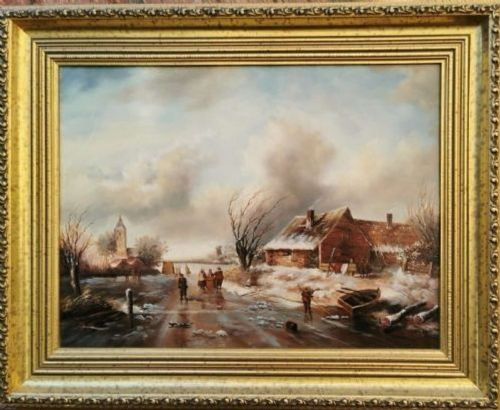
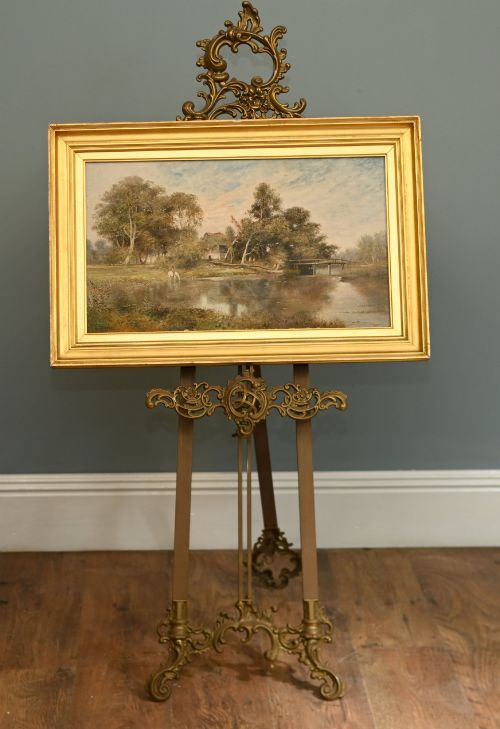
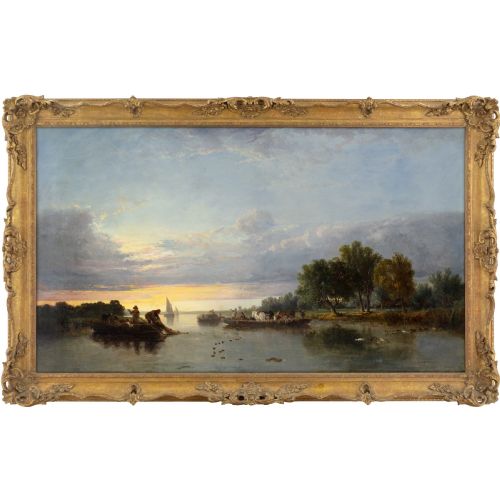
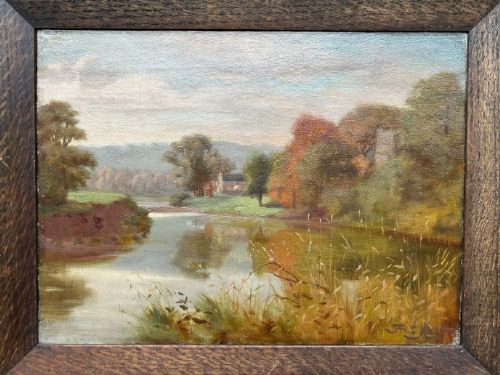
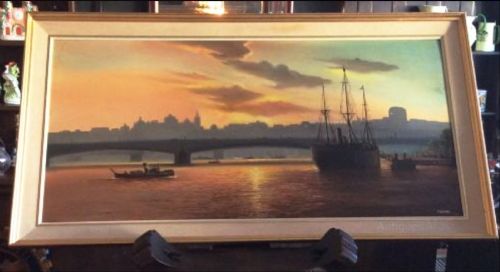
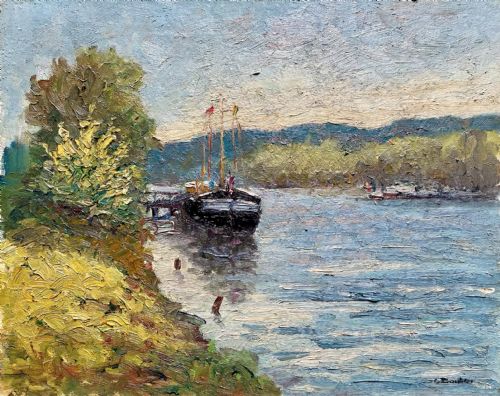
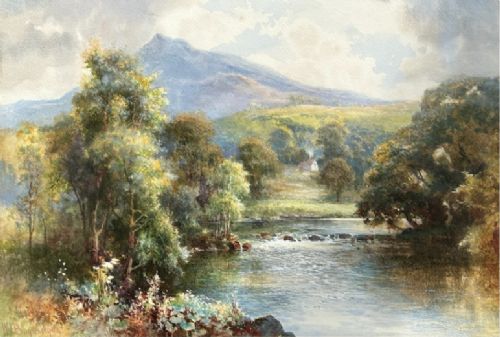
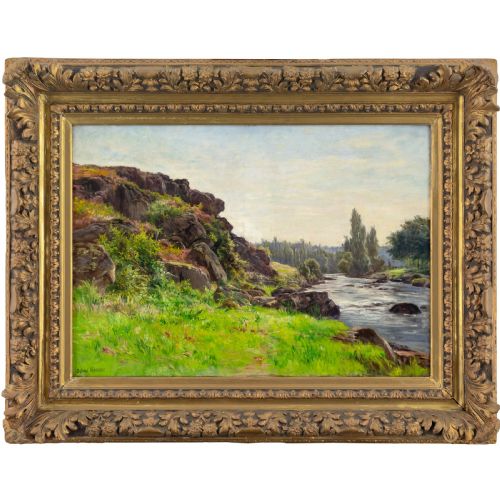
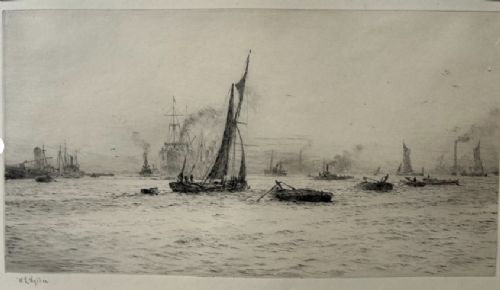
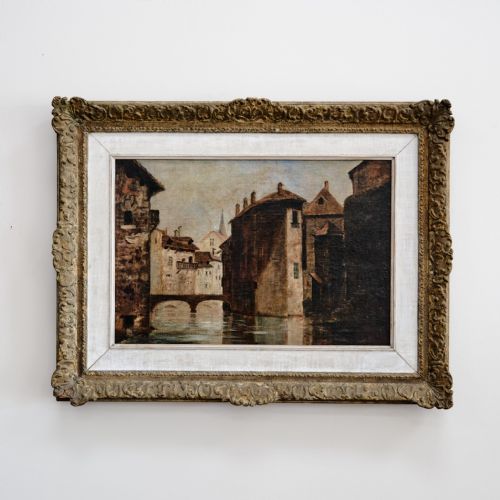
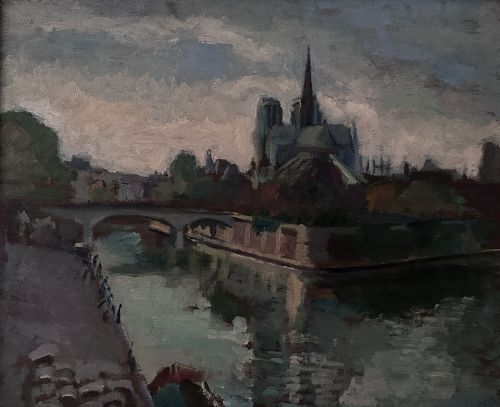
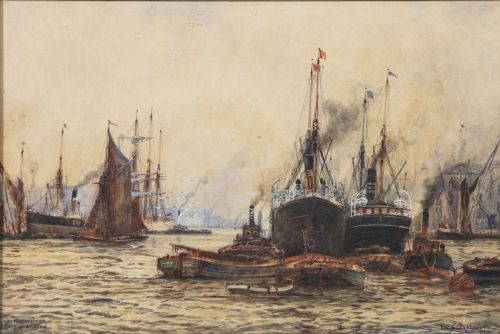
Vintage river artwork comprises paintings, watercolours, etchings, and prints depicting rivers, canals, and maritime settings from the nineteenth and twentieth centuries. These pieces record landscapes ranging from the Thames and the Seine to Welsh valleys and Dutch canals, capturing watermills, bridges, and shipping scenes.
The selections available here lean heavily toward original oil paintings on canvas or board, alongside delicate watercolours and period etchings. Artists from British, French, and Dutch schools dominate the selection, bringing impressionist and post-impressionist interpretations to river environments.
Buyers encounter works dated from the Victorian era through the mid-twentieth century, offering a physical record of historic waterways and past working riverbanks. Each piece reflects the specific atmospheric conditions and artistic movements of its decade, from late nineteenth-century realism to mid-century impressionism.
Materials and techniques
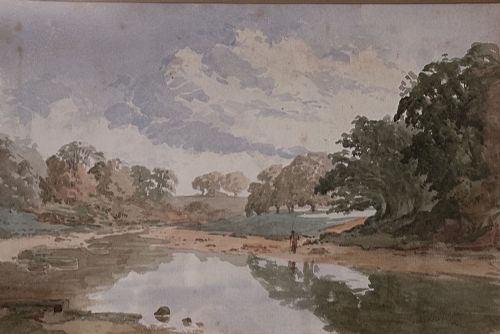
Artists utilised oil paint on canvas, wood panels, and board to build textured, layered river scenes, often applying heavy opaque gouache or charcoal for preliminary work. Watercolours on paper capture lighter, translucent effects for skies and moving water, occasionally finished with pencil or ink detailing.
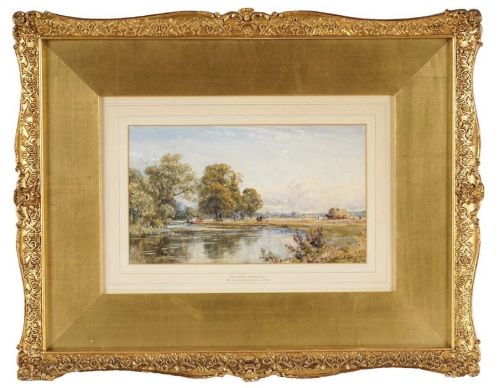
Support materials vary by period, with traditional stretched canvas and sturdy wood panels common in oil works, while delicate paper supports carry the watercolours and lithographic prints. Gilt frames frequently house these paintings, preserving the edges and complementing the pigments of the era.
Listings feature works executed in oil on canvas, watercolour on paper, and charcoal, documenting rivers across Britain, France, and the Netherlands.
Distinctions in quality
Quality in these river scenes rests upon the artist's handling of light, reflection, and water movement, where confident brushwork separates accomplished pieces from static representations. The integration of atmospheric elements, such as autumn foliage or misty morning light, defines the visual depth of the composition.
The condition of the medium also distinguishes pieces, with stable canvas tension, minimal paint cracking, and well-preserved paper tones indicating careful historical storage. Original framing and clear signatures by documented artists add archival strength to the work.
William Lionel Wyllie·David Roberts·Sir Alfred East·Henri Jaques Delpy
The Vintage River Artwork Glossary
- Etching
- A printmaking technique where lines are bitten into a metal plate with acid before ink is applied and pressed onto paper. This process allows for fine, precise detail in maritime and architectural subjects.
- Gouache
- An opaque water-based paint that provides heavier coverage and brighter matte colour than traditional watercolour. Artists utilise it to build solid highlights on water and sky.
- Post-Impressionism
- An art movement extending beyond impressionism that prioritised symbolic content and heavy brushstrokes over naturalistic depiction. Works in this style focus on structural forms and expressive colour.
- Lithograph
- A print produced from a flat stone or metal plate treated to retain ink in designated image areas. Nineteenth-century examples capture detailed topographical views of city rivers.
Vintage River Artwork: Frequently Asked Questions
What periods do these river artworks cover?
The works span from the nineteenth century through the mid-twentieth century, encompassing Victorian, Edwardian, and mid-century movements. Artists working across these decades captured changing industrial and natural river landscapes.
Different eras brought distinct stylistic approaches, moving from detailed maritime realism toward impressionist and post-impressionist interpretations of light and water.
How should I care for vintage oil paintings?
Oil paintings on canvas or wood require stable indoor humidity and protection from direct sunlight to prevent pigment fading and canvas slackening. Gentle dusting with a soft, dry brush keeps the surface clear of particles.
Avoid using water or chemical cleaners on the paint surface or gilt frames. Professional conservation ensures older canvases remain stable over decades.
Are watercolours framed differently than oils?
Watercolours on paper require framing behind glass with acid-free mount board to protect the paper from moisture and light degradation. Oils on canvas or board are typically displayed unglazed to let the textured paint surface remain visible.
Both types benefit from secure backing boards that prevent environmental warping and protect the structural integrity of the piece.
How do I identify a nineteenth-century river painting?
Nineteenth-century works often feature canvas stamps, historical labels, or handwritten inscriptions on the reverse stretcher bars identifying the artist or framing shop. Stylistic markers such as muted natural palettes and traditional maritime subject matter also point to this era.
Examining the weave of the canvas and the composition style helps place the artwork within Victorian or Edwardian periods.