



Vintage Religious Artwork
Vintage religious artwork spans centuries of devotion, bringing centuries-old spiritual tradition and fine craftsmanship straight into your home.
Vintage Religious Artwork
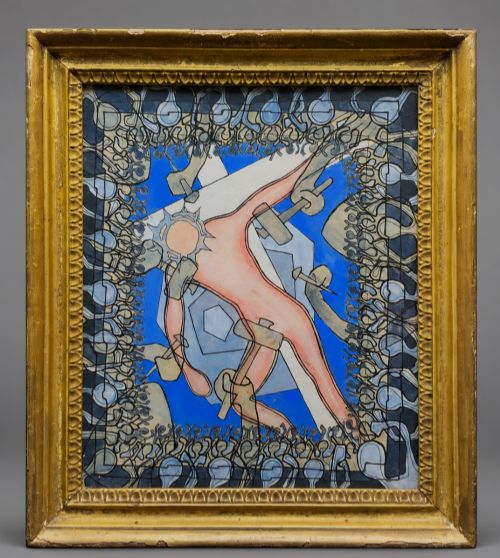
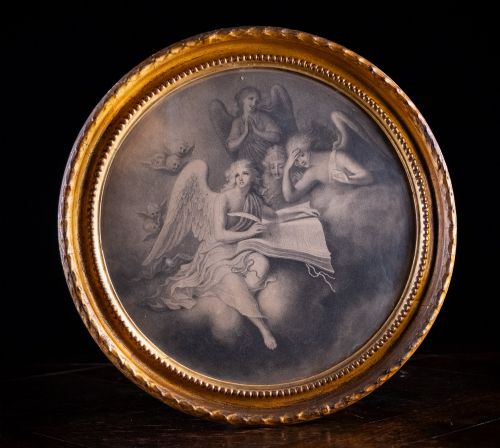
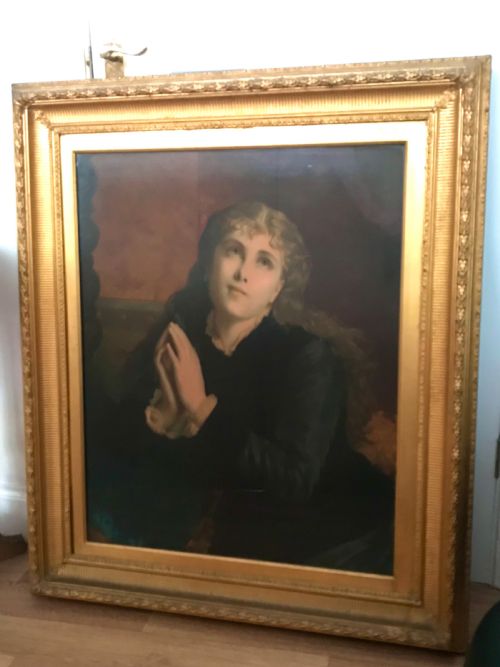
When you search for vintage religious artwork, you encounter a diverse collection of devotional pieces spanning from the seventeenth century through the mid-twentieth century. These items include oil paintings, engravings, framed wall art, drawings, and traditional icons.
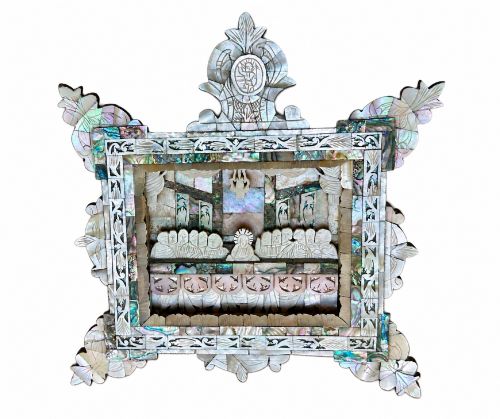
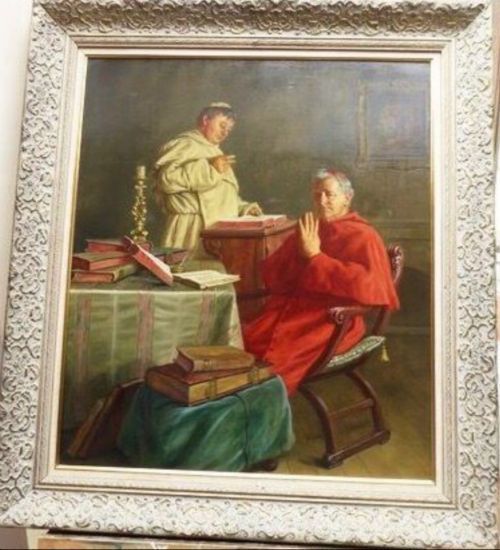
The selections on this page feature works from various European and international origins, including Central European school paintings, Vatican portraits, and intricate Jerusalem mother of pearl dioramas. You will regularly find oil paintings on canvas alongside works on paper and wall cloth.
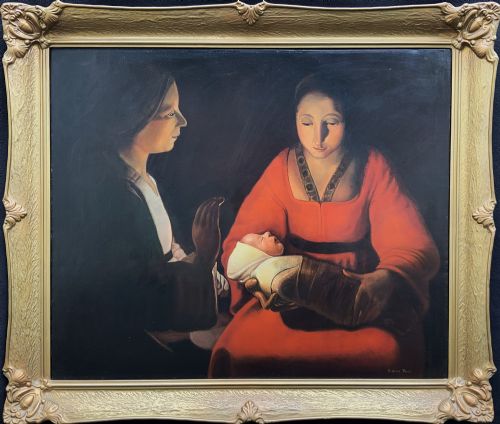
Many of these historical pieces reflect distinct revival movements, such as Renaissance and Baroque revivals, alongside traditional sacred subjects like the Holy Family, Mary Magdalene, and various saints.
How they were made
The physical construction of these devotional pieces relies heavily on traditional supports such as canvas, wood, paper, and glass. Artists employed oil paints, inks, and pastels to create detailed portraits and narrative scenes.
Vintage Religious Artwork Retail Price Guide 2026
Typical asking prices for vintage religious artwork among the pieces listed under this phrase on Sellingantiques today, from the lower quarter to the upper quarter. They describe what is for sale here now, not the wider market.
Listings feature works spanning the 17th, 18th, 19th, and 20th centuries, utilising canvas, wood, glass, and gilt materials.
What varies in quality
Quality in these devotional works rests upon the execution of the brushwork and the depth of the composition, distinguishing accomplished studio pieces from simpler decorative prints and oleographs. The handling of light and subject matter in oil portraits often reflects the skill of the individual artist or school.
The preservation of the original materials, including the stability of the canvas, the clarity of glass coverings, and the intact nature of giltwood frames, significantly influences the overall character of each piece.
Ernst Stierhof·Georges de La Tour·Girolamo Dai Libri·Raffaello Sanzio Da Urbino
The Vintage Religious Artwork Glossary
- Oil painting
- A work created using pigments suspended in a drying oil medium, typically applied to a stretched canvas or wooden panel.
- Giltwood
- Wood that has been coated with a thin layer of gold leaf or gilt powder, commonly used to finish ornate picture frames.
- Diorama
- A three-dimensional scene, seen here constructed from mother of pearl and abalone to depict sacred narratives.
- Oleograph
- A mechanical colour print textured to imitate the appearance and surface brushstrokes of an oil painting on canvas.
- Thangka
- A traditional painted or embroidered Tibetan Buddhist banner hung on a wall for devotional focus.
Vintage Religious Artwork: Frequently Asked Questions
How do I care for vintage religious artwork?
Keep these pieces away from direct sunlight and damp environments to protect delicate canvases, inks, and giltwood frames.
Dust wooden frames gently with a dry cloth and avoid using liquid cleaners on exposed paper or canvas surfaces.
Are these paintings original or copies?
The selection includes a mix of original period oil paintings, hand-drawn works, engravings, and historical prints after renowned masters.
Read individual descriptions carefully to distinguish between unique period paintings and later interpretations or printed reproductions.
How can I tell the period of a piece?
Dating relies on material analysis, frame construction styles, and documented artistic techniques associated with specific centuries.
Stylistic indicators such as Renaissance or Baroque revival traits provide further clues to a piece's era of origin.
Where were these devotional items displayed?
Historical religious artwork was typically created for private prayer spaces, domestic devotional display, or institutional settings.
Pieces like framed wall art and diorama icons served as focal points for personal contemplation within the home.