


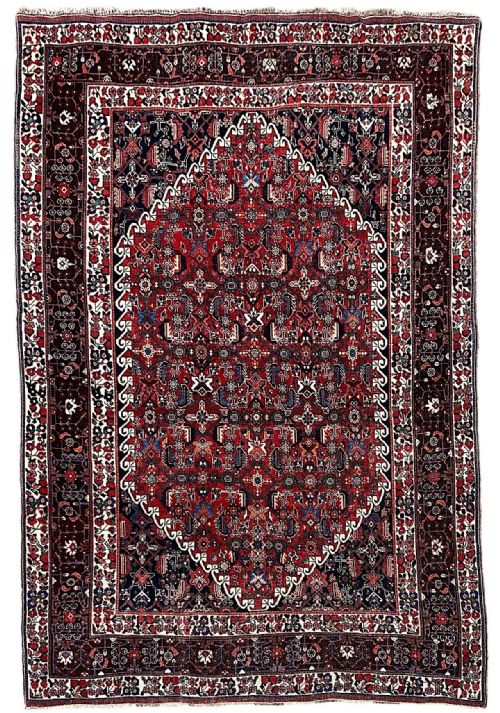
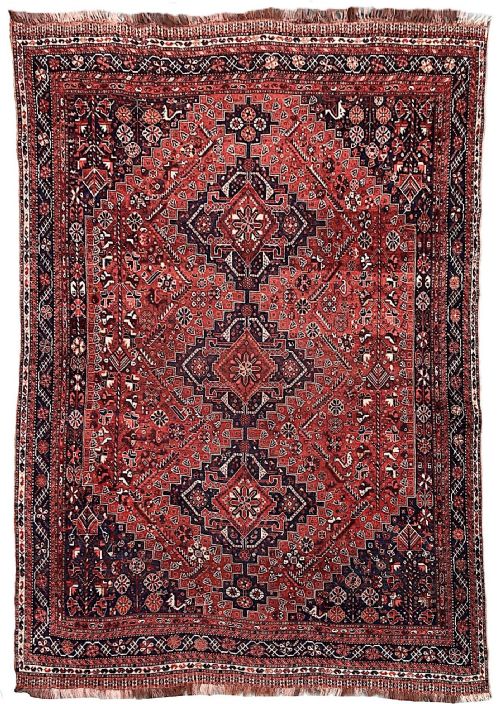
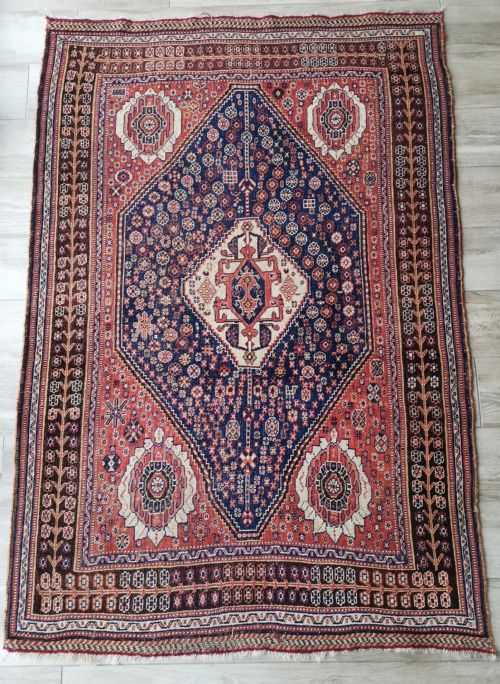


Vintage Qashqai Wool Carpet
A vintage qashqai wool carpet brings the rich geometric patterns and tribal artistry of South Persia directly into a room.
Vintage Qashqai Wool Carpet
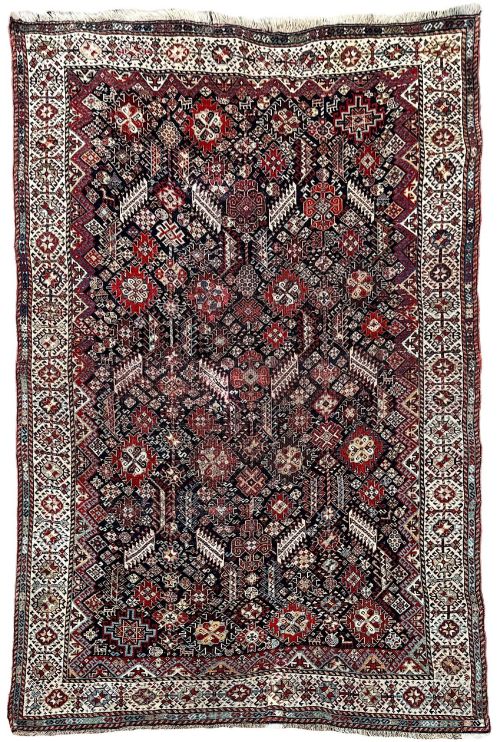
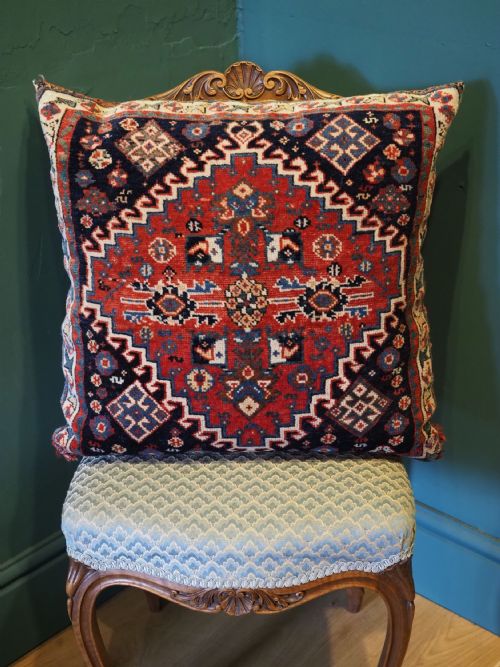
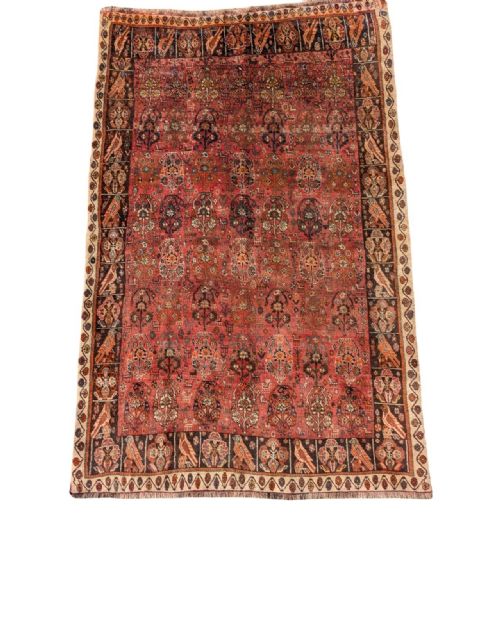
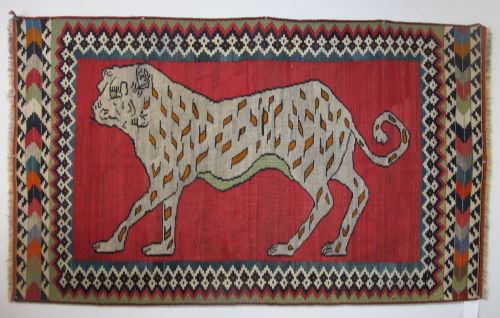
When searching for a vintage qashqai wool carpet, buyers encounter handwoven floor coverings originating from the nomadic and village tribes of south-west Persia. These pieces span various formats, from full-scale carpets and long kelleh rugs down to smaller scatter rugs, kilims, and saddle bag cushions.
The aesthetic is rooted in Persian tribal tradition, frequently incorporating stepped medallions, animal figures such as lions and peacocks, and intricate tree of life motifs. Many examples connect closely to related regional weaving groups including Khamseh, Luri, and Shiraz traditions.
Dating across the late nineteenth and early twentieth centuries, these textiles reflect the distinct handiwork of weavers working with traditional vertical looms. The inventory balances room-sized formats with smaller tribal rugs and flatwoven kilims.
How They Were Made
The foundation of these weavings relies upon natural materials, utilising hand-spun wool combined with cotton for structural support in specific formats. Weavers employed hand-spun wool for the pile, yielding a dense and tactile surface texture.
Colour comes from natural dyes applied to the wool, creating rich hues that mellow gracefully over decades of exposure and use. The construction methods encompass both pile-woven carpets and flatwoven kilims, alongside specialised items like saddle bag cushions.
Vintage Qashqai Wool Carpet Retail Price Guide 2026
Typical asking prices for vintage qashqai wool carpet among the pieces listed under this phrase on Sellingantiques today, from the lower quarter to the upper quarter. They describe what is for sale here now, not the wider market.
Listings feature pieces dated from the mid-nineteenth century through the 1930s, showcasing wool, cotton, and natural dyes in pile and flatwoven formats.
What Varies in Quality
Quality in these tribal weavings rests primarily on the fineness of the knotting and the tightness of the wool foundation. Tightly packed structures allow intricate geometric motifs and animal forms to retain crisp definition.
The depth and clarity of the natural dyes further distinguish superior examples, as does the preservation of original borders and side cordings. Variations in pile thickness and the spontaneity of the tribal design distribution also set individual pieces apart.
The Vintage Qashqai Wool Carpet Glossary
- Kilim
- A flatwoven textile produced without a pile, often featuring sharp geometric patterns and lightweight versatility. These pieces function well as wall hangings or summer floor coverings.
- Gabbeh
- A thick, coarsely knotted tribal rug characterised by an open field design and minimal geometric motifs. These minimalist pieces highlight the natural qualities of hand-spun wool.
- Kelleh
- A long, narrow format carpet traditionally suited to specific architectural spaces in Persian homes. They offer extended proportions compared to standard area rugs.
- Shekarlu
- A specific sub-group of tribal weaving known for distinct border designs and rich arrangements of animal and bird motifs. Collectors prize them for their graphic strength.
- Kashkuli
- A fine sub-class of tribal weaving associated with specific sub-tribes within the confederation, recognised for exceptionally meticulous knotting. These represent the more elevated end of nomadic craftsmanship.
Vintage Qashqai Wool Carpet: Frequently Asked Questions
How do I care for a vintage wool carpet?
Vacuum gently without using a rotating beater brush to protect the hand-spun wool pile and delicate foundation edges. Professional cleaning by specialists in antique textiles ensures the natural dyes remain stable.
Keep the piece out of harsh direct sunlight to prevent premature fading of the natural dye colours. Rotating the rug periodically promotes even wear across high-traffic areas.
Where were these carpets made?
These textiles originate from the tribal and village regions of south-west Persia, historically associated with nomadic confederations moving through Fars province. Weavers produced them in encampments and rural settlements using locally sourced materials.
Production methods remained tied to tribal traditions handed down through generations rather than urban workshop manufacturing. This nomadic heritage accounts for the distinct iconography found across the pieces.
What motifs appear on these rugs?
Common design elements include central geometric medallions, repeating tribal patterns, and stylised representations of flora and fauna. Figures such as lions and peacocks frequently enrich the field and border areas.
Tree of life compositions also feature prominently, symbolising growth and eternity within the weaving tradition. Each symbol reflects the cultural environment and visual vocabulary of the makers.
How can I tell the age of a piece?
Dating relies upon examining the characteristics of the wool, the structure of the foundation, and the palette of the natural dyes. Earlier pieces from the nineteenth century often display softer wool textures and distinct colour patination.
Structural traits such as hand-spun yarns and specific knotting densities provide further clues to the period of manufacture. Comparing stylistic markers against documented tribal examples helps narrow down the decade of origin.