

Vintage Profile Portrait
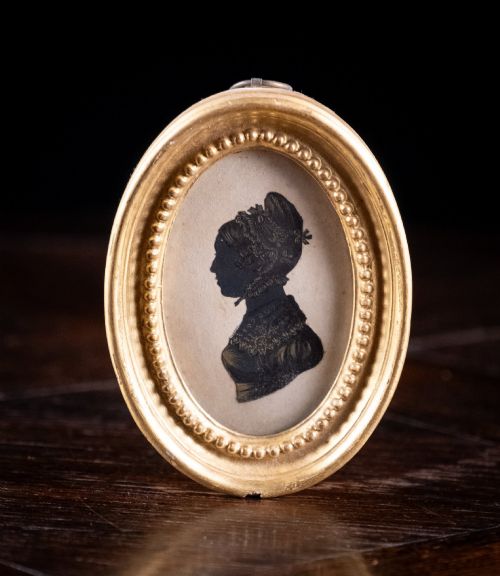
When you search for a vintage profile portrait, you are seeking the striking clarity of a side-facing likeness that captures a subject through silhouette, cameo, or painted line.
Vintage Profile Portrait
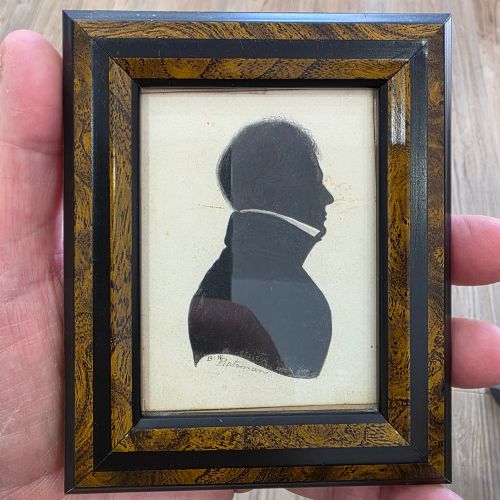
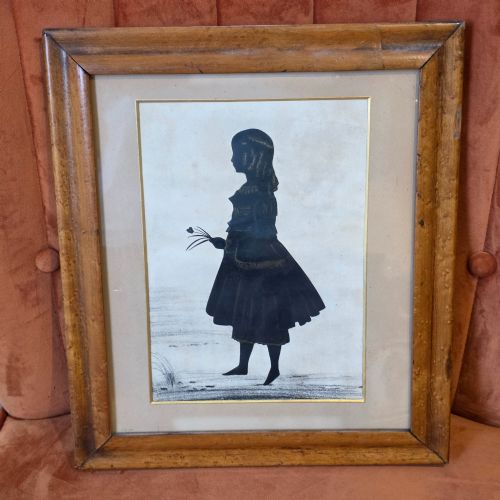
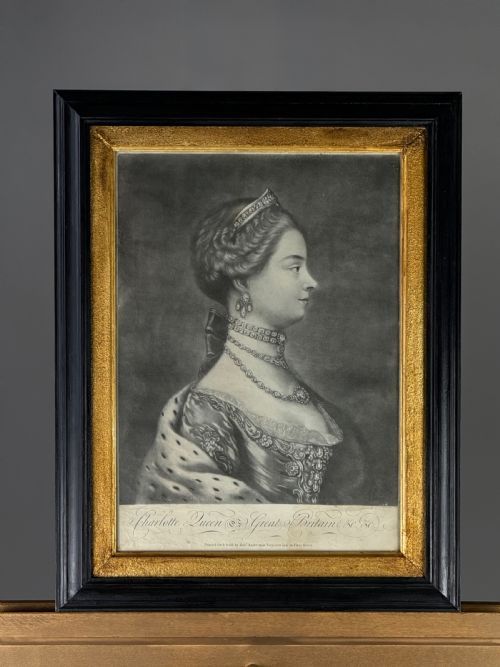
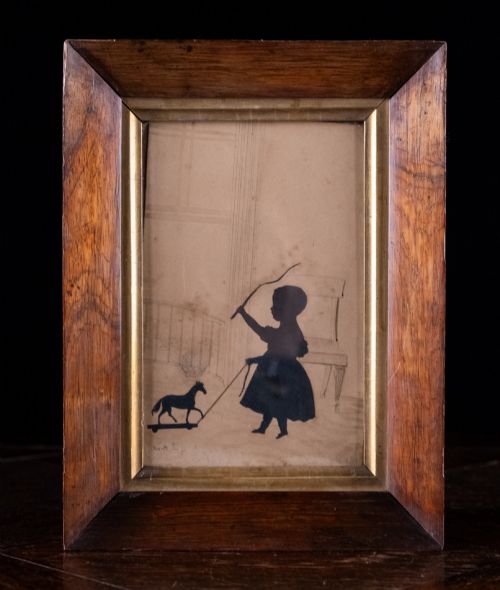
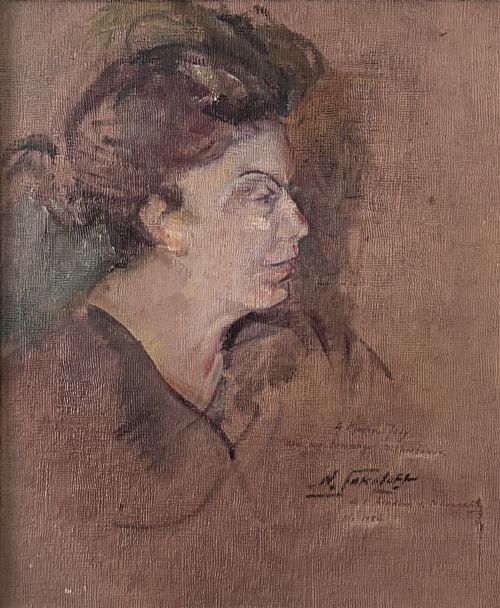
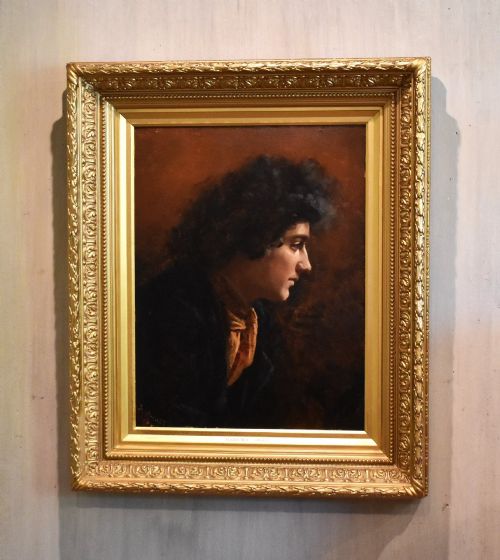
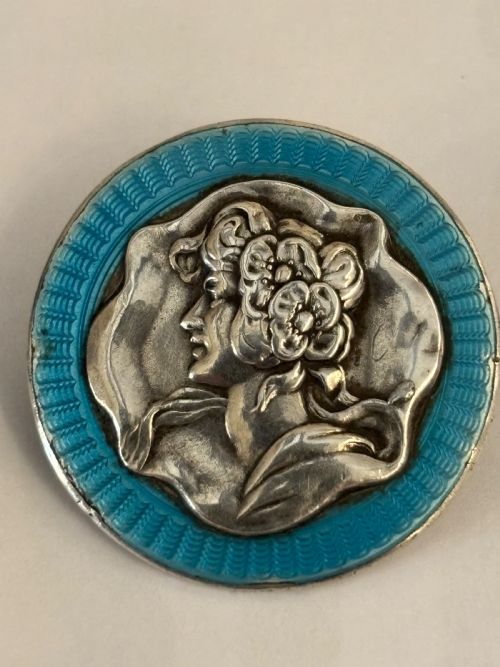
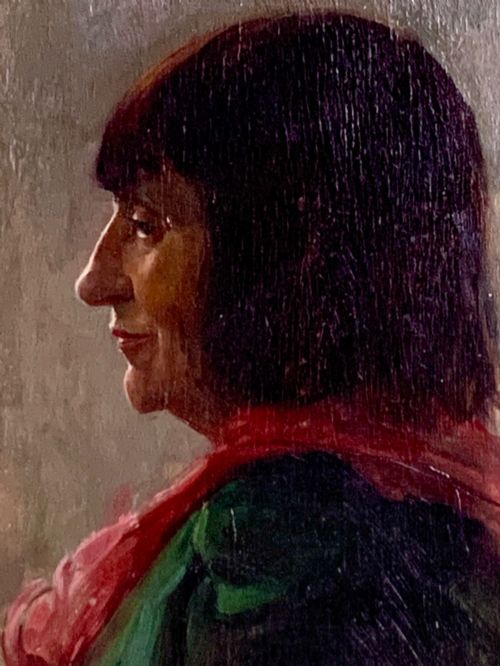
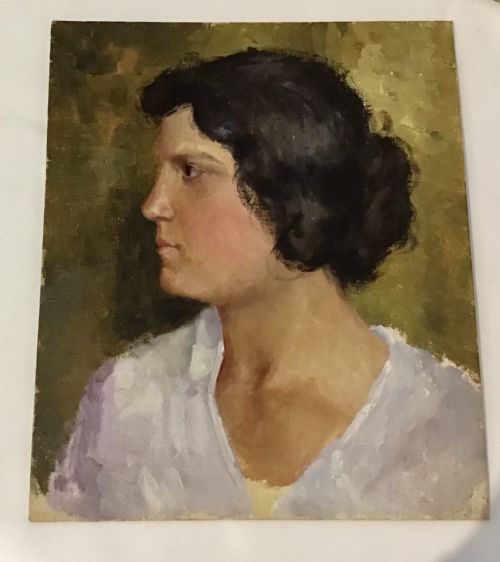
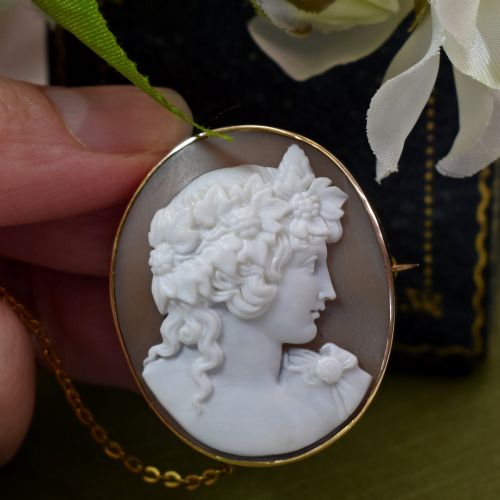
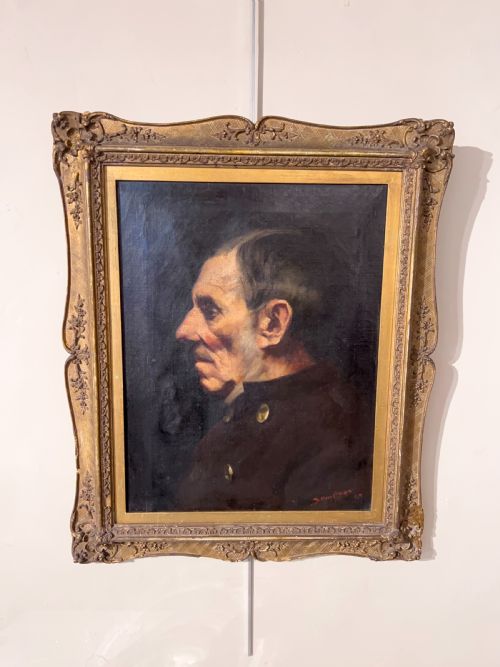
A vintage profile portrait on this page typically appears as a cut-paper silhouette, a carved shell cameo, or a framed oil painting spanning eras from the eighteenth century to the mid-twentieth century. Buyers searching this category frequently encounter framed wall art alongside wearable jewellery such as brooches, rings, and earrings.
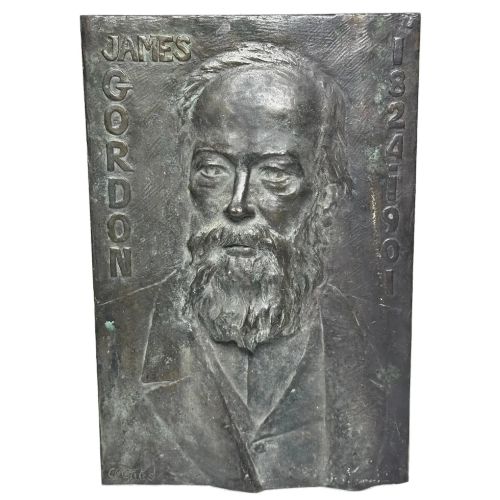
The materials and forms vary widely, ranging from delicate watercolour and ink on paper to heavy bronze plaques, gilded frames, and carved coral mounted in gold or silver. Pieces originate from diverse contexts including British and Italian schools, traditional silhouettists, and classical revival workshops.
How they were made
Makers utilised paper, ink, and watercolour for cut and painted silhouettes, often mounting the delicate black paper profiles against contrasting white or tinted grounds. These works required precise hand-cutting with scissors or meticulous brushwork.
Carved pieces relied on organic materials like shell, coral, and ivory, where artisans cut away upper layers to reveal contrasting background hues. Cast medals and reliefs used bronze, plaster, and metal alloys poured into moulds and finished by hand.
One cheerful eighteenth-century artist travelled with a menagerie of scissors, snipping profiles of families alongside their horses.
What varies in quality
The distinction between ordinary and superior pieces rests on the precision of the artisan's hand and the preservation of fine detail. In silhouettes, crisp edges and delicate secondary brushwork elevate the likeness, whereas blurred lines diminish the impact.
For carved cameos and metal reliefs, depth of relief and the natural grain of the material dictate the visual success of the profile. Original framing, particularly period giltwood or rosewood housings, contributes significantly to the integrity of the piece.
Bateman·James McArdell·Jeremiah Meyer·Alice Gates·Augustin Edouart·Florence Small·Bertram Priestman·Susie Lassam·Alfred Darbyshire·John Smith of Edinburgh
The Vintage Profile Portrait Glossary
- Silhouette
- A solid black profile likeness, usually cut from paper or painted against a lighter background. The form gained popularity in the eighteenth and nineteenth centuries before photography.
- Cameo
- A method of carving an object such as a gemstone, shell, or coral where a relief image stands out distinctly from a background of a different colour. Classic subjects include classical figures and portraits.
- Giltwood
- Wood that has been treated with gold leaf or a gold-coloured finish. This material is commonly found on antique and period picture frames.
- Guilloche
- An ornamental pattern produced by a mechanical engine that engraves precise, intricate geometric designs into metal. It is frequently seen beneath translucent enamel on vintage accessories.
- Intaglio
- A gemstone or metal surface carved with a design that sinks below the surface, operating as the inverse of a cameo.
Vintage Profile Portrait: Frequently Asked Questions
How do I date a silhouette?
Dating relies on clothing styles, hairstyles, and the materials used for the backing and framing. Eighteenth and nineteenth-century examples often feature handwritten signatures, specific paper watermarks, or distinct convex glass.
Later Victorian and Edwardian iterations frequently incorporate machine-cut elements or different mounting techniques that distinguish them from Georgian originals.
Were these pieces worn or displayed?
Many profile portraits served dual purposes depending on their format. Framed works and plaques hung on interior walls as decorative art, while cameos and miniature paintings were set into gold or silver mounts to be worn as brooches, pendants, and rings.
Wearable pieces allowed owners to keep a likeness of a family member or historical figure close to them throughout the day.
How should I care for antique paper art?
Paper silhouettes and watercolours require protection from direct sunlight and excessive moisture to prevent fading and foxing. Framing under conservation glass helps shield the delicate pigments and paper from environmental damage.
Keeping these works in stable indoor humidity conditions ensures the paper and adhesive backings remain secure over time.