

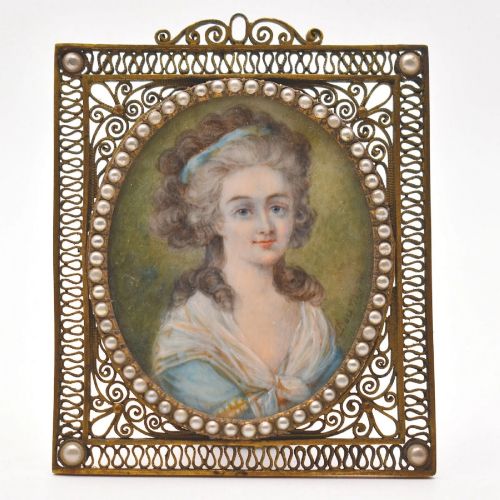


Oval Brass Miniature
An oval brass miniature brings the intimate scale of Georgian and Victorian portraiture into modern rooms.
Oval Brass Miniature
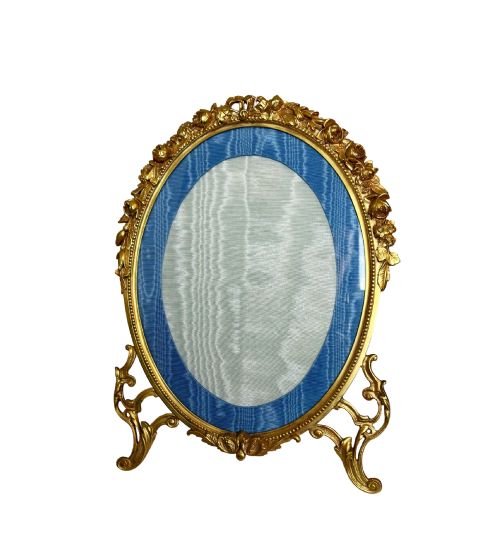
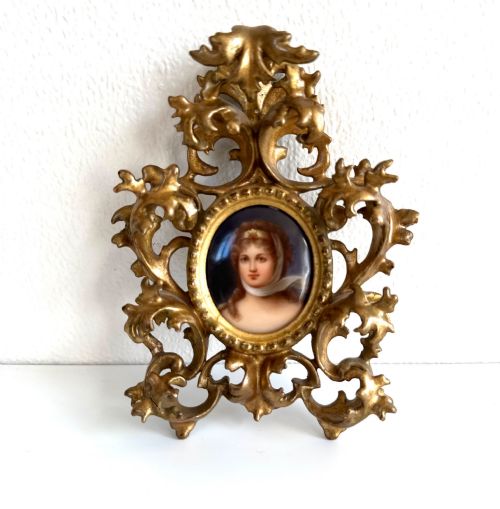
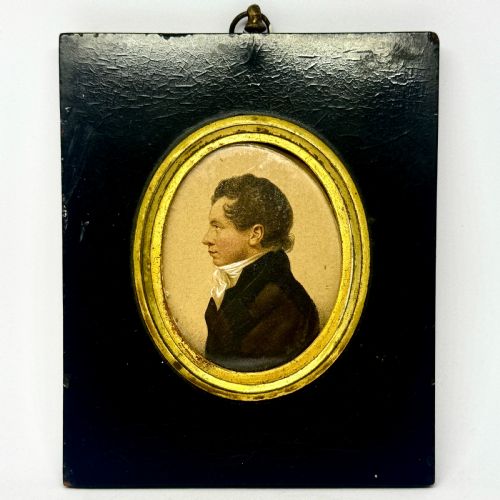
When you search for an oval brass miniature, you encounter small-scale works of art framed in cast or stamped metal housings. These pieces span the eighteenth, nineteenth, and early twentieth centuries, capturing sitters in watercolour, silhouette, enamel, and oil.
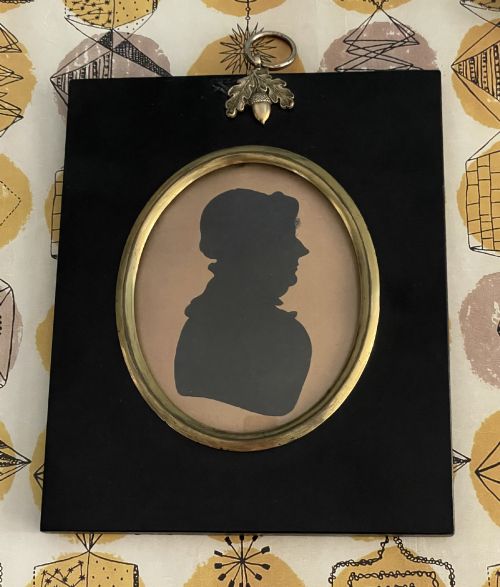
The selections on this page most commonly include portrait miniatures and silhouette profiles housed in brass, gilt bronze, or ormolu frames. You will also find small carriage clocks and decorative plaques sharing this distinctive shape and metal surround.
Materials and Construction
The physical objects rely on brass, gilt metal, and ebonised wood to form protective housings for delicate interior mediums. Craftsmen painted watercolours on card, ivory, or paper, and pressed silhouettes onto plaster.
Glazing protects the painted surfaces, while the metal frames often feature cast detailing, easel stands, or suspension loops. Enamel plaques utilise fired pigments on metal bases, and carriage clock movements sit within polished brass cases.
Object forms on this page include silhouette profiles, portrait miniatures, wall plaques, and miniature carriage clocks.
Factors of Quality
The integrity of the frame and the clarity of the protective glass also dictate the standard of the piece. Original matched components hold greater distinction than later replacements.
George Atkinson·James Gillespie·John Miers·Susie Lassam·Jeremiah Steele·Archibald Skirving
The Oval Brass Miniature Glossary
- Silhouette
- A profile portrait filled in with a solid dark colour, usually cut from paper or painted on card or plaster. These profiles gained immense popularity during the Georgian and Regency periods.
- Plumbago
- A drawing executed in graphite, taking its name from the Latin word for lead ore. These monochromatic works offer fine linear detail.
- Ormolu
- Gilt bronze mounted onto decorative objects and furniture, created by applying a mercury and gold amalgam to cast bronze. This technique imparts a rich golden finish to miniature frames.
- Ebonised wood
- Timber treated to imitate ebony, providing a deep black finish that contrasts sharply with gilt brass frames. This treatment appears frequently on nineteenth-century silhouette housings.
Oval Brass Miniature: Frequently Asked Questions
How were oval brass miniatures displayed?
These small objects were typically hung in groupings on parlour walls or placed upon desks and tables using attached easel stands. Their intimate scale suited personal spaces and private chambers rather than grand reception rooms.
Many featured suspension loops for ribbons, allowing sitters to wear them or mount them securely against wall panels alongside larger family portraits.
What subjects appear in these miniatures?
Portraits depict named historical figures, military officers, local gentry, and anonymous family members captured during significant life stages. Children, ladies in turban caps, and gentlemen in formal attire are frequently represented.
Other subjects include landscape studies, classical figures, and decorative enamel plaques featuring floral or figurative motifs.
How do I identify the period of a frame?
Georgian and Regency frames often display hand-chased details and simpler stamped brass profiles, while Victorian examples introduce heavier cast ornament and easel backs. Edwardian pieces maintain these traditional methods with minor variations in alloy composition.
Examining the fixings, backing boards, and glass curvature helps confirm whether the frame remains original to the artwork.
How should I care for an antique miniature?
Keep these pieces away from direct sunlight to prevent the watercolour pigments or paper supports from fading over time. Stable indoor humidity protects the delicate organic materials found inside the brass housings.
Avoid using liquid cleaners on the painted surfaces or the glass, dusting the exterior metal gently with a soft dry cloth.