


Vintage Powder Compact
These vintage powder compact items span periods from Edwardian to Mid-Century, offering refined metal and enamel portable vanity accessories for collectors.
Vintage Powder Compact
When you search for a vintage powder compact, you encounter portable cosmetic containers designed for ladies, originating from periods such as the Edwardian era, the 1920s, 1930s, 1940s, and 1950s. The selection includes powder compacts, trinket boxes, vanity compacts, rouge pots, pill boxes, and vanity cases.
The most common examples on this page date from the Art Deco period, often constructed from chrome, brass, or silver with enamel details. Alongside simple metal vanity items, the inventory includes combination compacts and pieces featuring fitted mirrors and suede linings.
How they were made
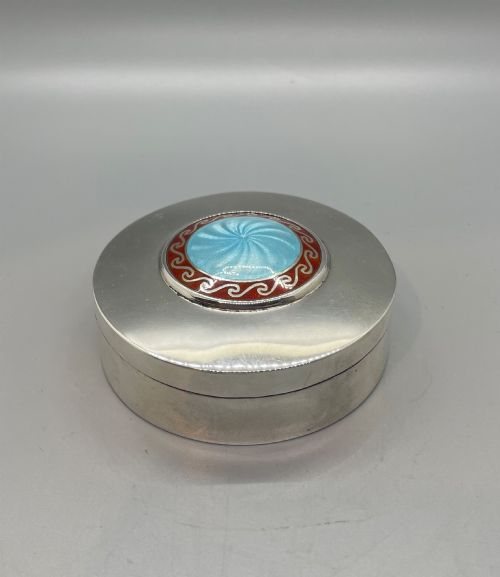
Metals form the structural basis of these objects, utilising sterling silver, silver-gilt, 9ct yellow gold, rose gold, chrome, brass, and 800 silver. Techniques such as casting and engine turning create textured geometric patterns on the metal bodies.
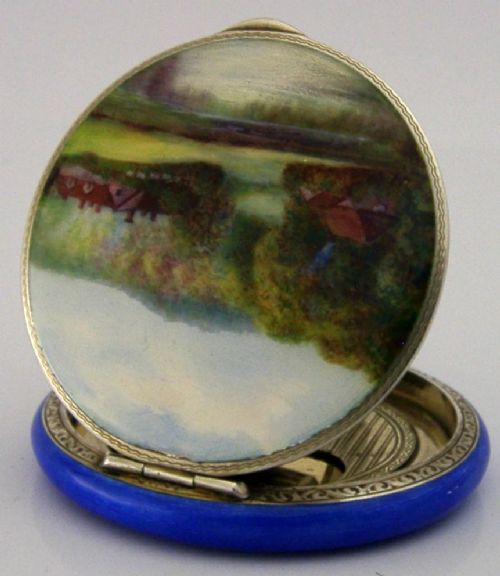
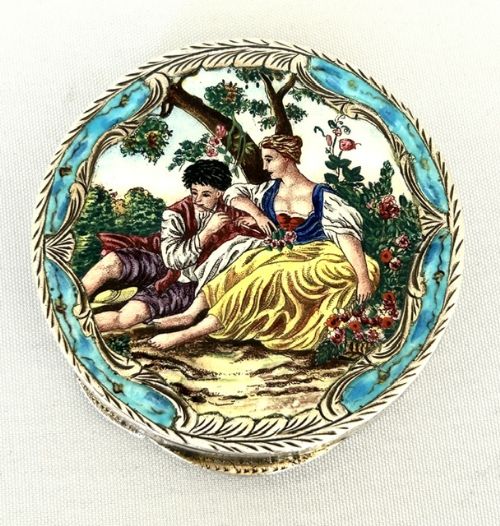
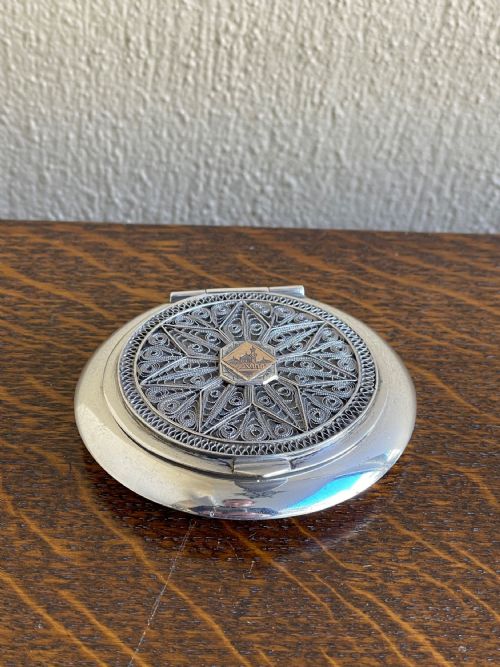
Decoration relies heavily on vitreous and guilloche enamel, often applied in colours like blue or hand-painted with scenic designs. In some instances, gemstones like diamonds, rubies, and filigree work enhance the metal lids.
Vintage Powder Compact Retail Price Guide 2026
Typical asking prices for vintage powder compact among the pieces listed under this phrase on Sellingantiques today, from the lower quarter to the upper quarter. They describe what is for sale here now, not the wider market.
Powder compact lids sometimes concealed tiny secret compartments designed specifically for holding morning pills.
What varies in quality
The distinction between standard examples and top-tier items rests on the complexity of the ornamentation and the materials utilised. Pieces incorporating hand-painted enamel scenes, guilloche patterns, or precious gemstones elevate the standard of manufacture.
Maker attribution also divides the range, with signed works by known silversmiths and luxury houses demonstrating superior craftsmanship compared to unmarked production pieces. The integration of functional elements, such as fitted interior mirrors and secure mesh or suede linings, indicates higher grade execution.
Henry Matthews·Elkington and Co·Giuliano Spinelli·Van Cleef and Arpels·Cartier·Rene Lalique·Richard Hudnut·Houbigant
The Vintage Powder Compact Glossary
- Guilloche
- A decorative engine-turning technique that etches precise, intricate geometric patterns into metal before translucent enamel is applied.
- Enamel
- A glassy substance fused to the surface of metal through firing, providing smooth, colourful ornamentation across the lid.
- Sterling silver
- A silver alloy containing 92.5 percent pure silver by mass, frequently utilised in British compact production.
- Filigree
- Delicate openwork metal wire soldered together to form intricate lace-like patterns, seen on specific lids.
- Combination compact
- A multi-functional vanity case designed to hold powder alongside other items such as rouge, pills, or a lipstick.
Vintage Powder Compact: Frequently Asked Questions
What materials make up a vintage powder compact?
These items utilise metals such as sterling silver, 800 silver, 9ct yellow gold, rose gold, chrome, and brass. Many incorporate vitreous or guilloche enamel, while select examples feature diamonds and rubies.
Internal elements sometimes include glass mirrors alongside fabric linings like suede or integrated metal mesh.
How are Art Deco compacts recognised?
Art Deco pieces generally display clean geometric lines, engine-turned metal textures, and symmetrical patterns. They frequently incorporate blue enamel or chrome materials typical of the 1920s and 1930s.
Some examples adopt specific styles like the flapper aesthetic or include integrated combination compartments for cosmetics.
What periods do these vanity cases span?
The available items range from the Edwardian era and 1900s through the 1910s, 1920s, 1930s, and 1940s, extending into mid-century Italian production around 1950. Each decade introduces distinct stylistic influences, from Rococo Revival touches to modernist Art Deco designs.
Assay marks and maker signatures often help anchor individual pieces within these specific timeframes.
How were these compacts originally used?
Ladies carried these portable containers for personal grooming, using the internal mirror and powder compartment to touch up makeup throughout the day. Some versions functioned as combination cases, holding rouge, pills, or integrated lipsticks.
Trinket boxes and small powder boxes served a similar decorative and practical purpose on dressing tables.