
Vintage Pottery Vessels
These vintage pottery vessels range from robust domestic crocks to ornate display pieces spanning centuries of ceramic craft.
Vintage Pottery Vessels
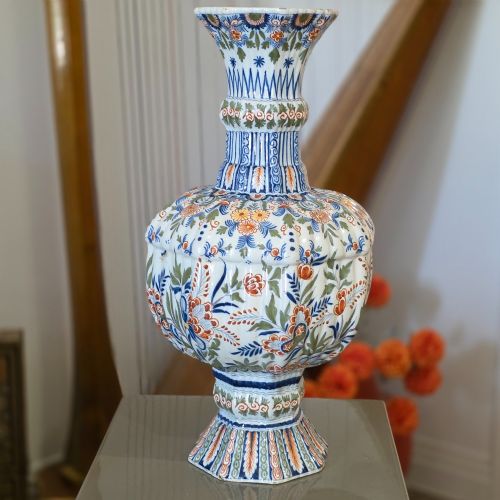
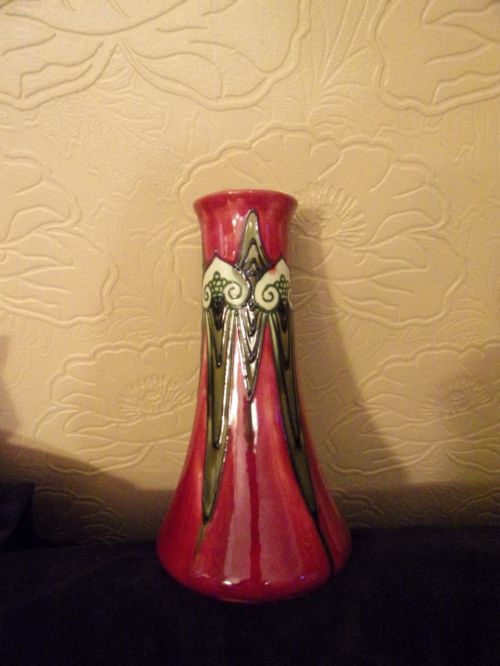
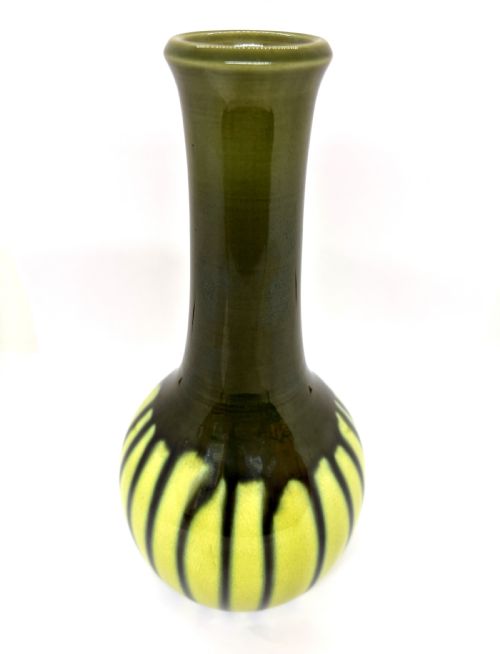
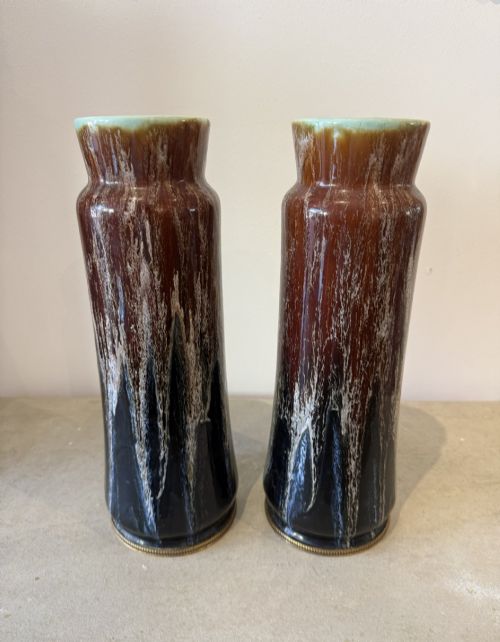
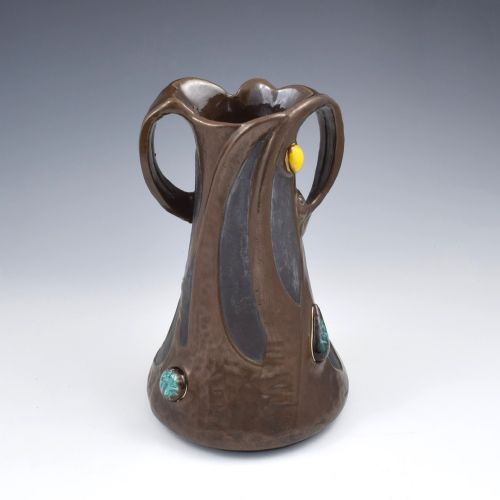
Vintage pottery vessels encompass a broad spectrum of ceramic objects designed for utility and decoration, including vases, jugs, pitchers, bowls, and storage crocks. When searching for vintage pottery vessels, collectors encounter diverse forms originating from British, European, and Asian workshops across the eighteenth, nineteenth, and twentieth centuries. The selection on this page relies heavily on nineteenth-century and early twentieth-century examples, featuring distinct regional styles such as Art Nouveau, Art Deco, and traditional earthenware.
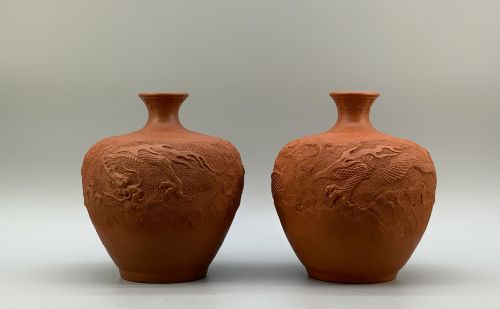
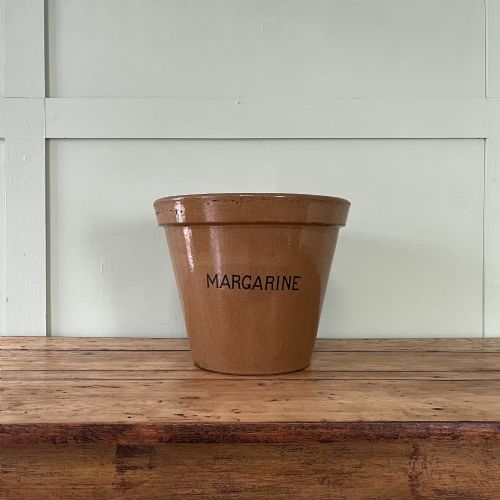
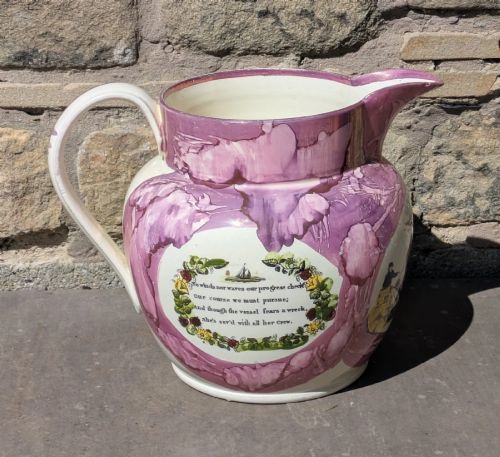
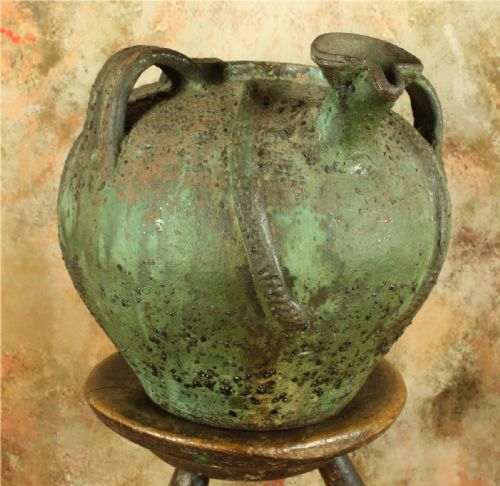
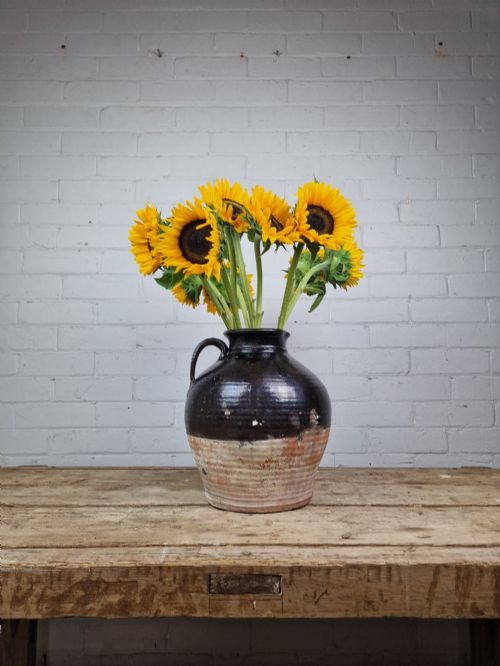
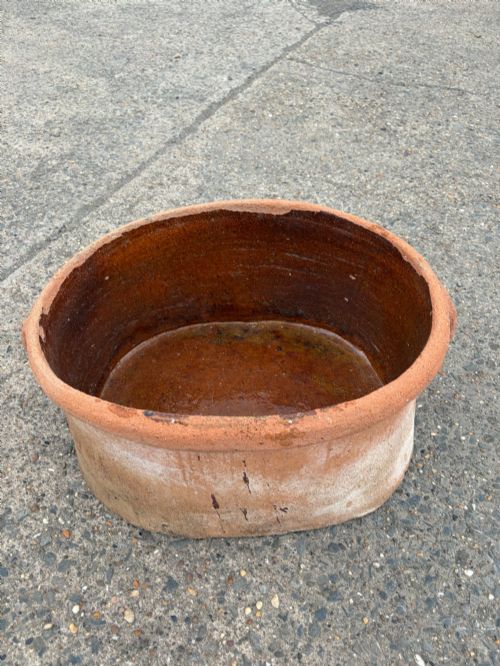
Domestic and utilitarian wares sit alongside highly decorative showpieces, illustrating how ordinary household items evolved into collected art objects over time. Buyers frequently encounter salt-glazed stoneware bottles, slipware jugs, and terracotta oil jars alongside refined porcelain and majolica vessels. Each piece carries the distinct hallmarks of its period, whether shaped for functional storage or painted for parlor display.
Materials and construction methods
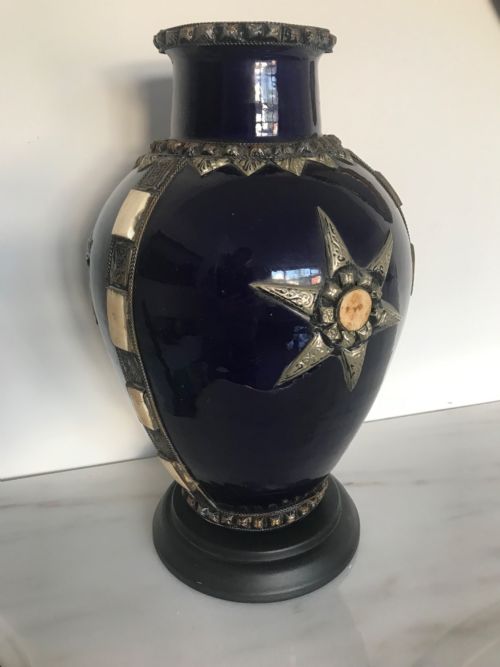
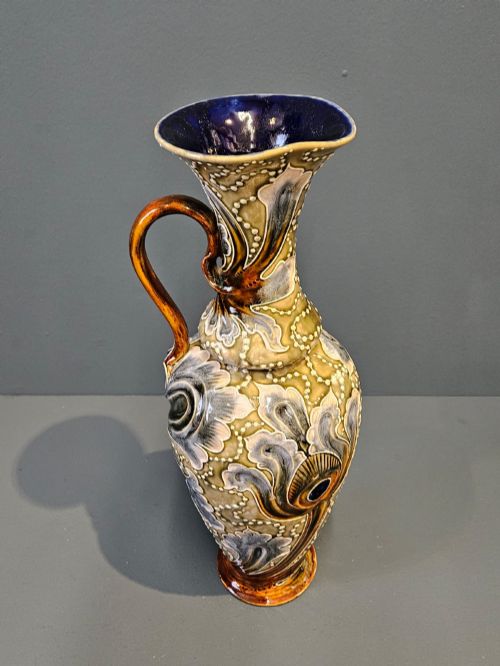
Makers shaped these vintage pottery vessels using fundamental ceramic materials such as earthenware, stoneware, and terracotta, often finishing them with fluid lead or salt glazes. Artisans applied decorative techniques like red tube-lining, hand-enamelling, and polychrome painting directly onto the clay body before firing. Certain pieces incorporate additional embellishments, including silver mounts, gold leaf, and applied cabochons that enhance the visual weight of the ceramic.
The physical build reflects the prevailing technology of each respective era, moving from heavier hand-thrown utilitarian crocks to more refined moulded art pottery. Specialised techniques such as Japanese Satsuma and Imari detailing, or European majolica glazing, demonstrate the diverse firing methods utilised across different international potteries.
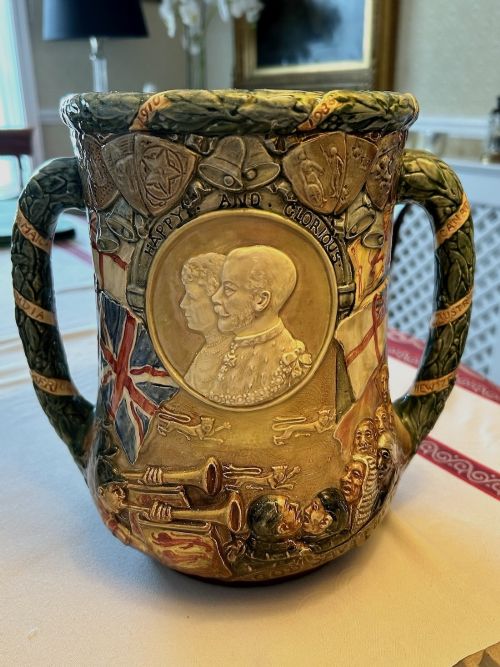
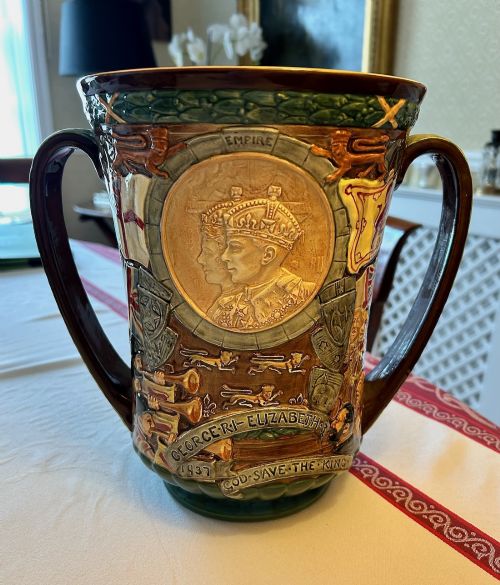
Certain ceramic vessels were built with three handles so guests could pass the cup securely around a bustling table.
Assessing quality and execution
Quality in vintage pottery vessels rests upon the precision of the form, the depth and stability of the glaze, and the clarity of the painted or modelled details. Superior examples exhibit deliberate control over tube-lining, hand-painted motifs, and decorative reliefs without clumsy pooling or uneven surface coverage.
The reputation of the producing pottery or the specific studio hand adds significant weight to a piece, separating standard commercial wares from exceptional studio outputs. Finishes that retain crisp enamel work, intact metal mounts, and well-preserved decorative surfaces represent the higher tier of these historic ceramic holdings.
Minton·Royal Doulton·Doulton Lambeth·Burmantoft's Pottery·Boch Freres·Wedgwood·Mettlach Pottery
The Vintage Pottery Vessels Glossary
- Earthenware
- A porous pottery type fired at relatively low temperatures which requires glazing to hold liquids. This material forms the base of many traditional domestic jugs and decorative bowls.
- Stoneware
- A dense, impermeable ceramic fired at high heat until the clay vitrifies into a durable body. This robust material frequently appears in utilitarian storage crocks and heavy bottles.
- Slipware
- Pottery decorated with liquid clay applied to a damp clay body before firing. This technique creates simple contrasting patterns commonly found on historic kitchen and table vessels.
- Majolica
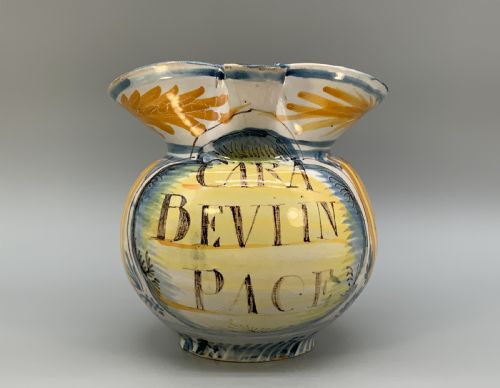
- Opaque tin-glazed earthenware decorated with brightly coloured metal-oxide pigments. This technique produces vibrant polychrome surfaces seen on nineteenth-century pharmacy and decorative jugs.
- Tyg
- A large drinking vessel featuring multiple handles designed for passing around a table during communal gatherings. These heavy ceramic mugs often date to earlier historical periods.
Vintage Pottery Vessels: Frequently Asked Questions
How were these vessels used historically?
Many of these pieces served practical daily functions in homes and farms, such as storing oil, wine, or dry goods, and serving liquids at the table. Others functioned purely as decorative centerpieces or commemorative items for royal events.
Domestic jars held perishable foodstuffs, while specialised loving cups and ewers marked important social occasions or personal milestones within Victorian and Edwardian households.
How do I identify different ceramic periods?
Period identification relies on observing the characteristic styles, glazing techniques, and material weights associated with specific eras like the Victorian age or the Art Deco movement. Stylistic markers such as Art Nouveau plant motifs or heavy salt-glazing point directly to manufacturing dates.
Looking closely at base signatures, impressed pottery stamps, and the specific composition of the clay helps narrow down the origin and likely decade of creation.
How should I display vintage vessels?
Displaying these ceramic objects involves placing them on stable surfaces away from high-traffic areas where accidental knocks might occur. Adequate shelf space allows heavier stoneware and delicate earthenware to sit securely without crowding.
Keeping pieces out of direct, prolonged sunlight helps protect sensitive enamel work and painted finishes from fading over time, preserving the original palette of the glaze.