




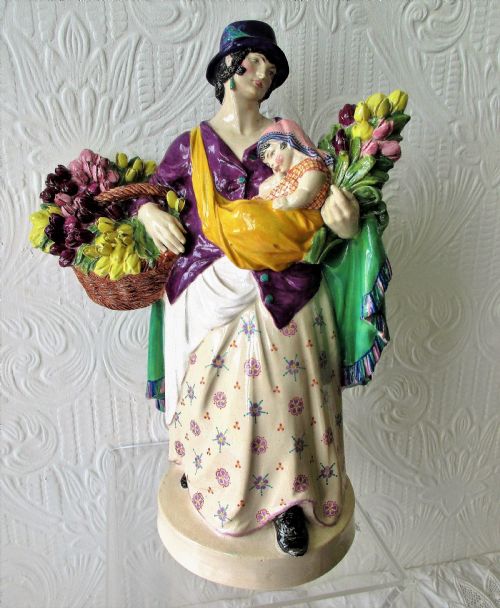
Vintage Pottery Statues
These vintage pottery statues bring character to a room through modelled animals, human figures and classical subjects spanning several centuries.
Vintage Pottery Statues
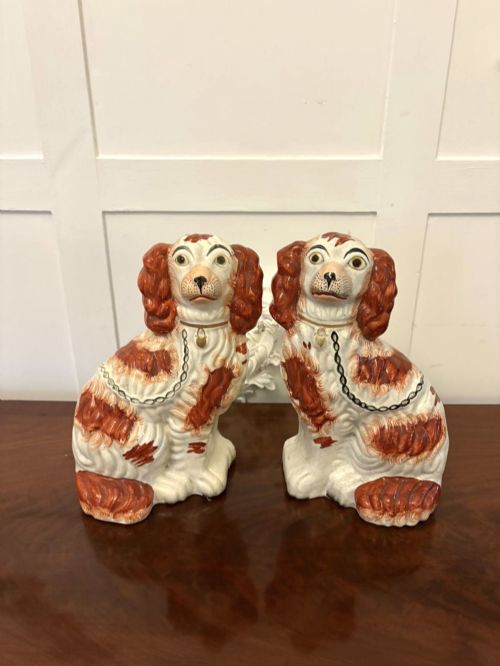
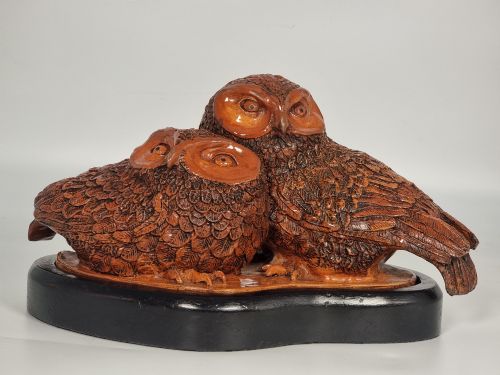
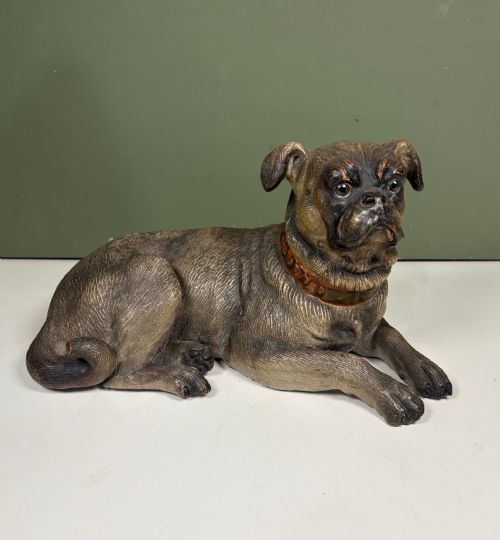
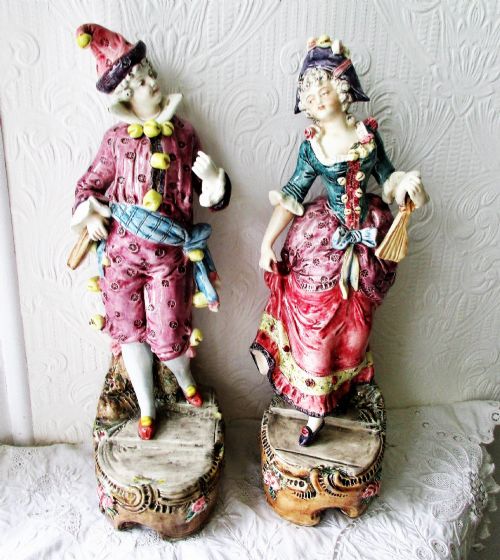
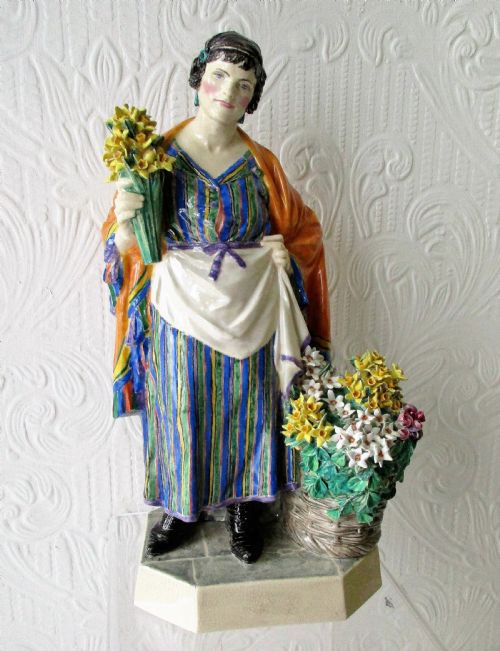
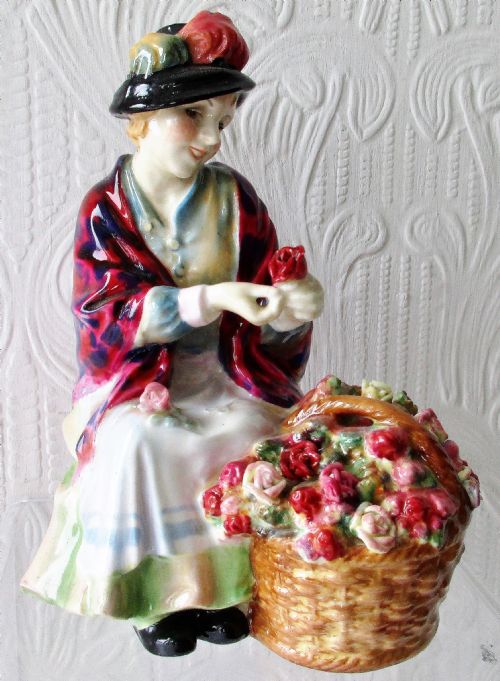
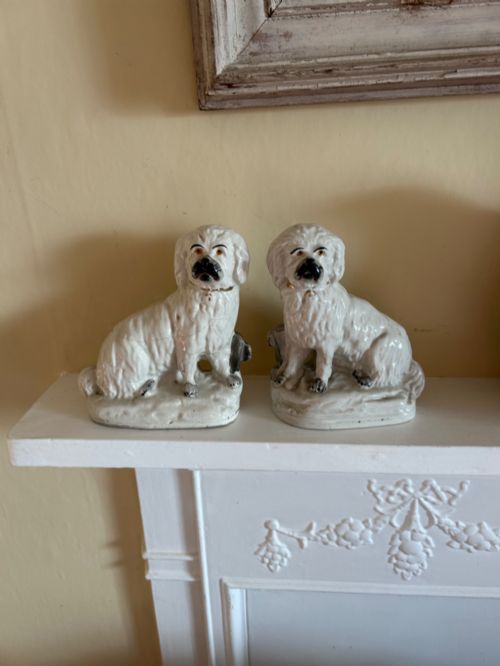
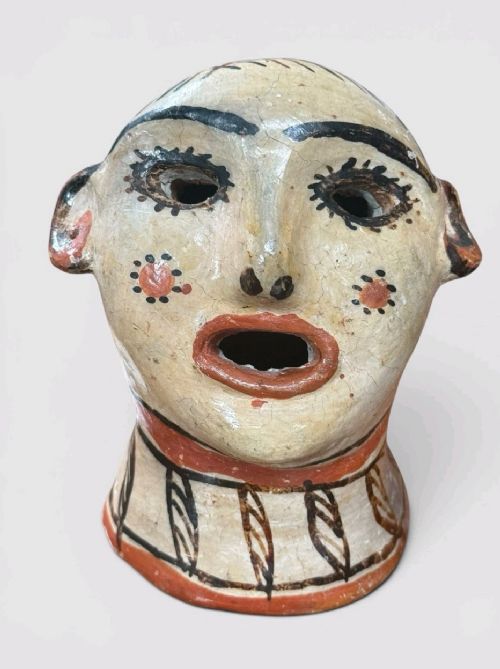
Vintage pottery statues encompass decorative figurines, sculptural animal groups and figurative bookends created across the nineteenth and twentieth centuries. Buyers seeking these pieces encounter Staffordshire spaniels, poodles and lions alongside Art Deco feline and avian subjects, French earthenware, Dutch Delftware and studio pottery figures.
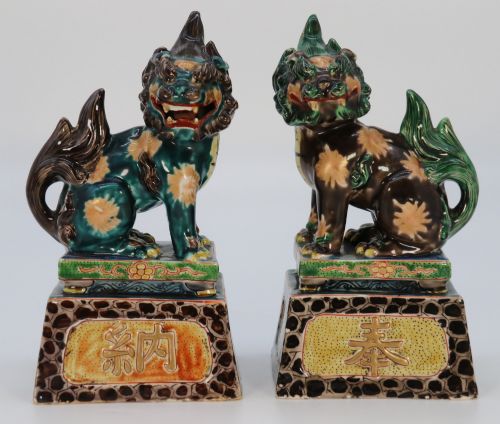
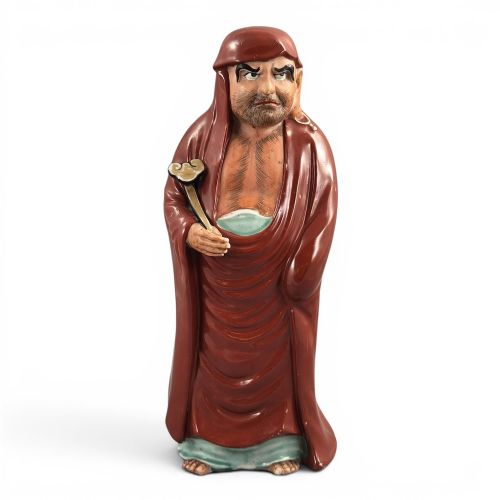
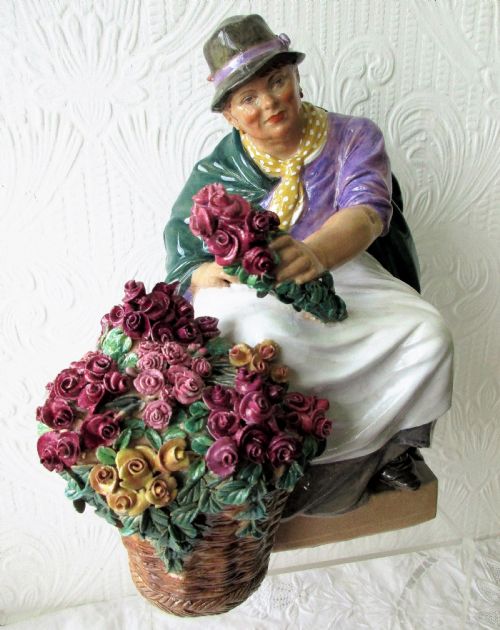
The selection ranges from Victorian Staffordshire dogs and equestrian groups to Chinese pottery Buddhist lions, Tang Dynasty style Sancai glazed horses and English studio pottery character figures. Most examples are designed as mantel ornaments, pairs of shelf figures or functional bookends.
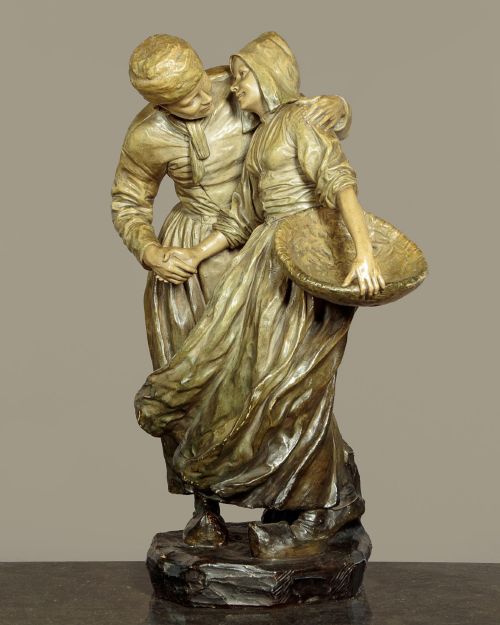
Makers and regional potteries represented span English factories, French ceramicists, Bohemian studios and Asian kilns, utilising earthenware, terracotta, porcelain and ceramic bodies. The typical forms remain seated or recumbent animals, standing human figures and classical portrait sculptures.
Materials and Working Methods
Makers shaped these statues using earthenware, terracotta, porcelain and heavy ceramic bodies, often employing hand sculpting or press moulding techniques before firing. The pieces rely on physical manipulation of clay, sometimes incorporating applied elements such as ebonised bases, glass eyes or detailed quill holders.
Surfaces receive decorative treatments including glaze, enamel, enamel paint, copper lustre glaze and Sancai glazing techniques. Many examples display painted highlights, gilding or polychrome decoration applied over the fired ceramic body.
Vintage Pottery Statues Retail Price Guide 2026
Typical asking prices for vintage pottery statues among the pieces listed under this phrase on Sellingantiques today, from the lower quarter to the upper quarter. They describe what is for sale here now, not the wider market.
Materials span earthenware, terracotta, porcelain, and ceramic, finished with glazes, enamel, and copper lustre.
Assessing Craftsmanship and Execution
Glaze application and enamel work determine visual depth, with superior examples exhibiting controlled colour blending, rich lustre effects and crisp hand-painted definition without running or pooling.
Goldscheider·Charles Vyse·Royal Dux Bohemia·Compton Potters Art Guild·Lancaster and Sons of Hanley
The Vintage Pottery Statues Glossary
- Earthenware
- A porous pottery body fired at lower temperatures, typically requiring a glaze to render it waterproof. It forms the base of many nineteenth-century Staffordshire figures.
- Sancai
- A traditional three-colour lead-glazed pottery technique originating in China, frequently seen on Tang Dynasty style horses and figures. The glazes typically mix amber, green and creamy white tones.
- Terracotta
- Unglazed or glazed fired clay containing high iron content, giving it a characteristic brownish-red hue. It is widely used for sculptural figures and architectural roof ornaments.
- Staffordshire
- A generic term for ceramic figures produced in the pottery districts of Staffordshire, England. These pieces span spaniels, greyhounds, lions and historical figures.
- Studio pottery
- Ceramics produced by individual artists working by hand, often combining traditional throwing or modelling with experimental glazing. Charles Vyse pieces exemplify this tradition.
Vintage Pottery Statues: Frequently Asked Questions
What periods do these pottery statues cover?
The selection includes nineteenth-century Victorian figures, Edwardian pieces, and twentieth-century works up to the Art Deco era.
Earliest examples date from the mid-nineteenth century, while later pieces reflect twentieth-century studio and continental styles.
How were these statues displayed originally?
Many animal pairs and figures stood upon mantelpieces, sideboards and tables as purely decorative ornaments.
Others served functional roles as bookends, quill holders or architectural roof tiles.
What materials are most common?
Earthenware and ceramic bodies dominate the selection, often finished with glazes, enamels or lustre.
Terracotta and porcelain also appear frequently, particularly among continental figures and oriental works.
How do I care for antique ceramic figures?
Keep statues out of direct sunlight and away from damp environments to protect painted surfaces and glazes.
Dust gently with a soft, dry brush and avoid liquid cleaners on unglazed terracotta.