



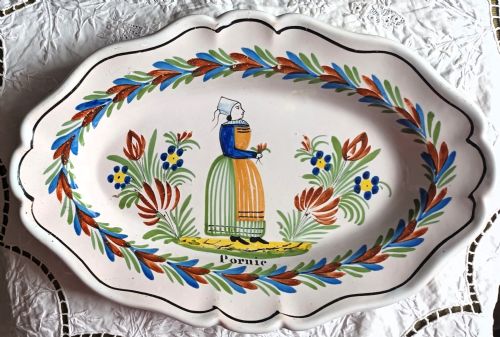


Vintage Pottery Platter
These vintage pottery platter options bring together centuries of earthenware skill, offering large surfaces designed to anchor a formal table or display bold transfer prints.
Vintage Pottery Platter
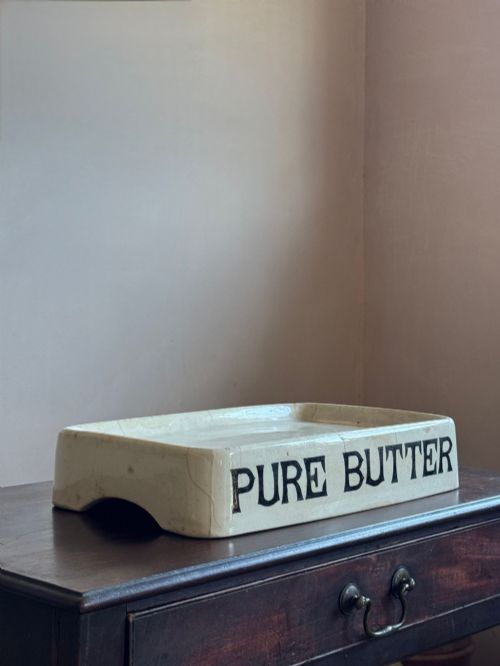
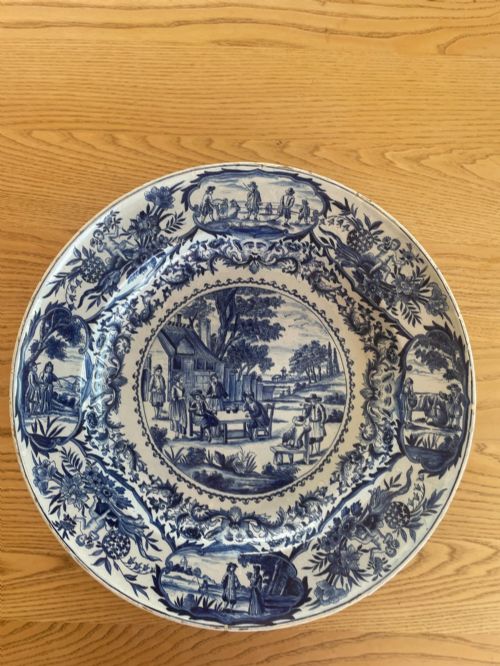
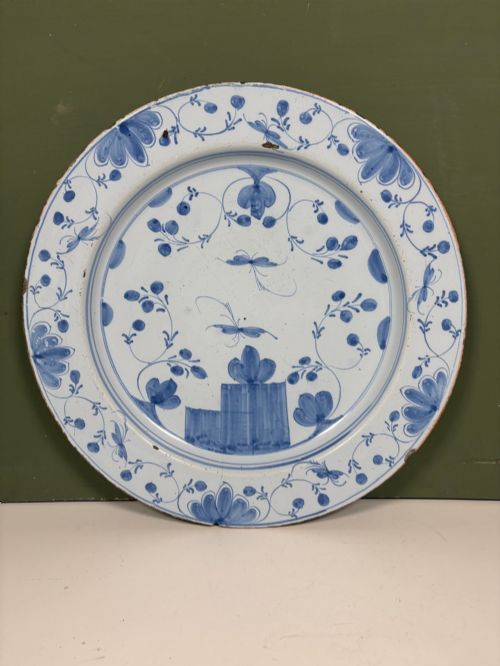
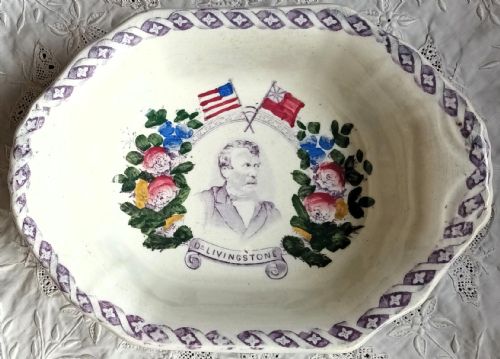
When someone searches for a vintage pottery platter, they encounter a wide range of forms from decorative chargers and wall plates to heavy serving dishes meant for carved joints. The selection spans centuries of production, taking in Georgian transferware, Dutch delftware, and Art Deco tubelined pieces.
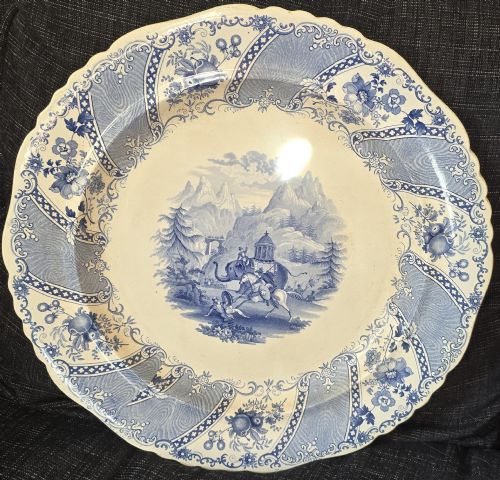
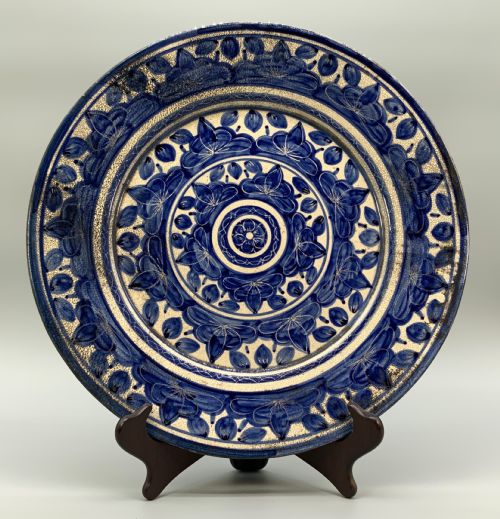
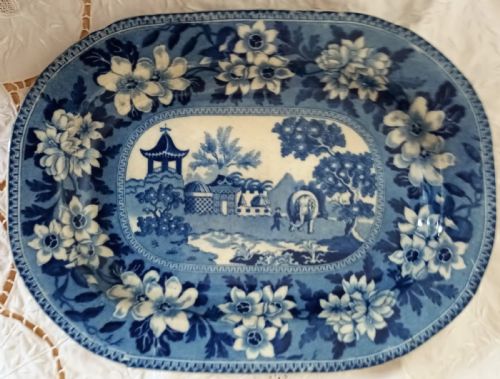
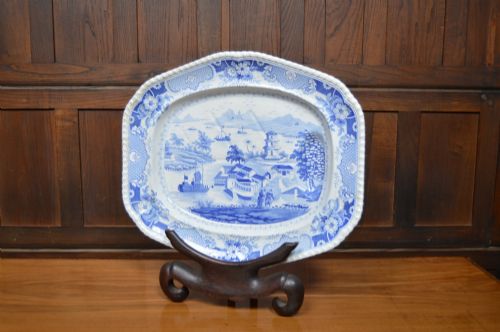
The most common examples on this page are blue and white transfer-printed earthenware meat platters and large chargers originating from English potteries in the nineteenth century. These sit alongside tin-glazed continental faience plates and twentieth-century earthenware vessels.
Buyers select these items to serve food at gatherings or to hang upon walls as substantial decorative chargers. Each piece carries the distinct palette of its period, from manganese and polychrome glazes to deep cobalt oxides.
How They Were Made
Potters shaped earthenware clay on wheels or pressed it into moulds to form large platters and chargers, drying the bodies before firing them in kilns. Artisans then applied tin-glaze, cobalt oxide, or enamel paints directly to the surface.
Transfer printing involved engraving copper plates, pulling the design onto tissue paper, and pressing it onto the porous biscuit pottery before a final protective glaze firing. Tubelined designs, popular in later decades, used raised clay lines to contain pools of coloured glaze.
Makers utilised ironstone and refined earthenware bodies to provide durable surfaces capable of holding heavy meals or enduring decades of domestic use.
Vintage Pottery Platter Retail Price Guide 2026
Typical asking prices for vintage pottery platter among the pieces listed under this phrase on Sellingantiques today, from the lower quarter to the upper quarter. They describe what is for sale here now, not the wider market.
Listings feature earthenware materials across the nineteenth and twentieth centuries, including tin-glazed pottery and transfer-printed meat plates.
What Varies in Quality
Quality rests upon the crispness of the transfer print and the control shown during the glaze firing, where excessive heat could cause running lines or clouded whites. Finer examples display meticulous hand-painted details over the printed outlines.
The weight and resonance of the earthenware body distinguish standard utilitarian pieces from superior exhibition chargers. Potteries that employed skilled modellers and experienced chemists produced plates with balanced proportions and stable, warp-resistant rims.
William Smith And Co·John Rogers And Son·Charlotte Rhead·Mason·Spode
The Vintage Pottery Platter Glossary
- Charger
- A large ornamental plate typically displayed on a wall or sideboard rather than used for everyday dining.
- Transferware
- Pottery decorated by pressing a printed paper design from a copper plate onto the ceramic surface.
- Tin-glazed earthenware
- Pottery coated with an opaque white glaze containing tin oxide, providing a smooth canvas for painted decoration.
- Tubelining
- A ceramic decoration technique where thin lines of clay are squeezed through a nozzle to form compartments for different coloured glazes.
- Ironstone
- A heavy, durable type of vitreous earthenware patented in the nineteenth century to imitate porcelain.
Vintage Pottery Platter: Frequently Asked Questions
Can I use these platters for food?
Most vintage pottery platters serve food safely, provided the glaze remains intact and free from heavy historic wear.
Older pieces with porous earthenware bodies benefit from gentle hand washing rather than immersion in automated dishwashers.
How do I hang a heavy charger?
Large platters require coated wire spring hangers that distribute weight evenly across the entire rim without placing stress on a single point.
Ensure the wall fixing secures firmly into solid masonry or a stud rather than standard plasterboard.
What is the difference between delft and ironstone?
Dutch delft uses a soft tin-glazed earthenware body with hand-painted tin-oxide designs, making it more porous and decorative.
Ironstone is a dense, hard earthenware developed in the nineteenth century for durable service tables.
How do I date an antique transferware platter?
Potters often marked the underside with impressed registry stamps, maker's initials, or pattern names that correspond to specific production years.
The style of the border, the depth of the blue transfer print, and the weight of the earthenware body provide further clues.