





Vintage Porcelain Chargers
These vintage porcelain chargers bring rich colour and patterned depth to a room, offering large decorative surfaces from the nineteenth and twentieth centuries.
Vintage Porcelain Chargers
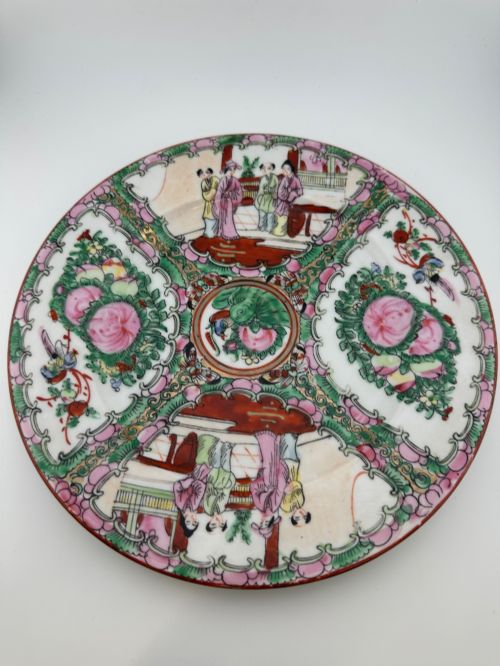
Vintage porcelain chargers are large decorative plates and platters designed for display rather than everyday dining. When searching for vintage porcelain chargers, buyers encounter pieces originating from British factories, Chinese kilns, and Japanese workshops spanning the nineteenth and twentieth centuries.
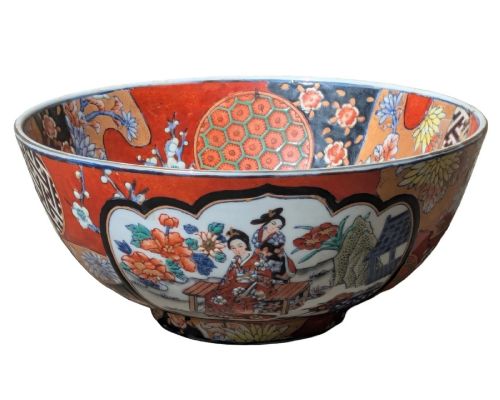
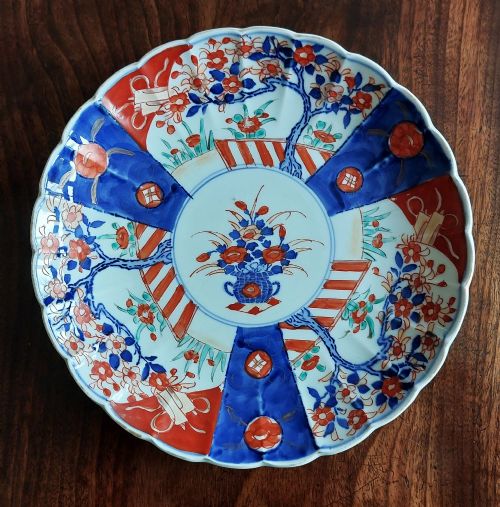
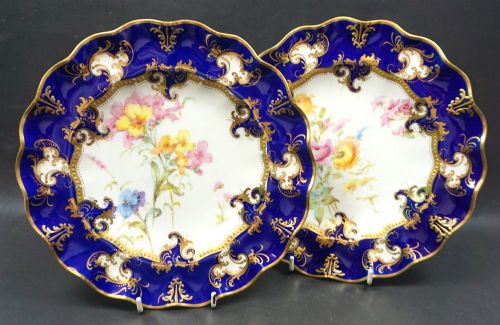
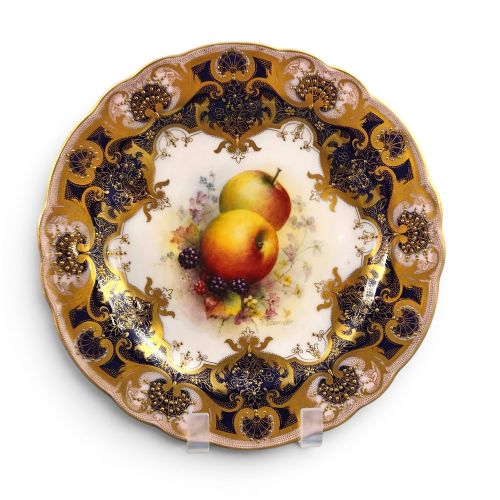
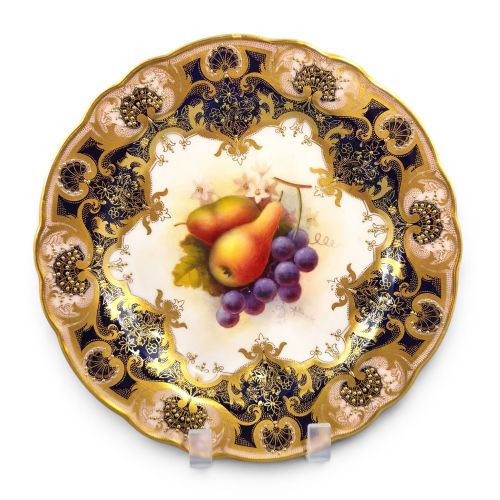
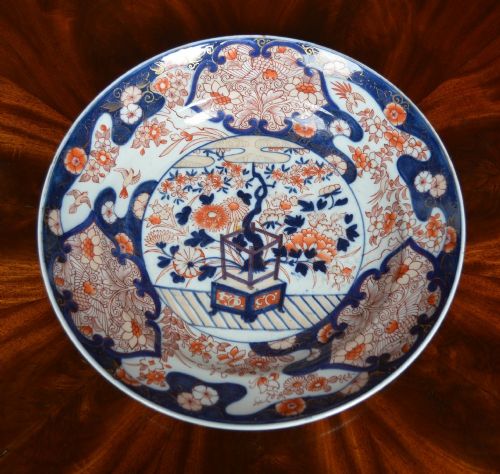
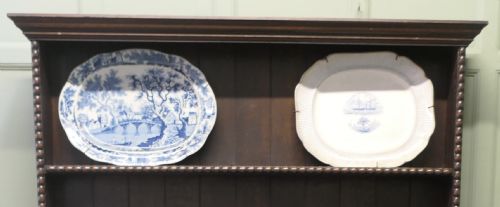
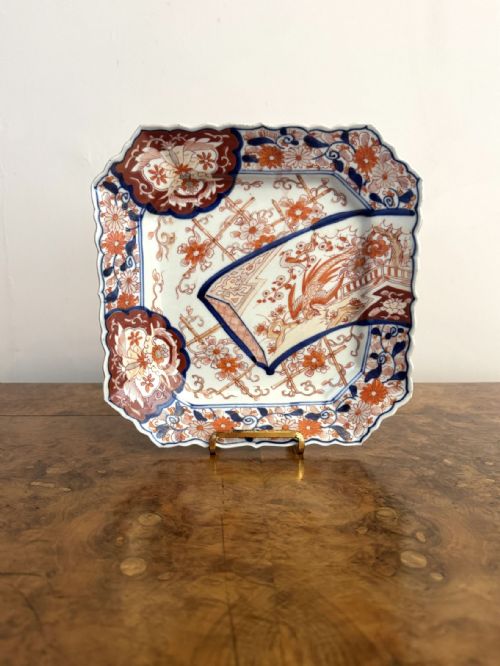
The selection on this page relies heavily on Japanese Imari and Arita wares from the Meiji period, alongside British cabinet plates from Victorian and later decades. Forms range from traditional round chargers with scalloped edges to square plates and deep decorative bowls.
How they were made
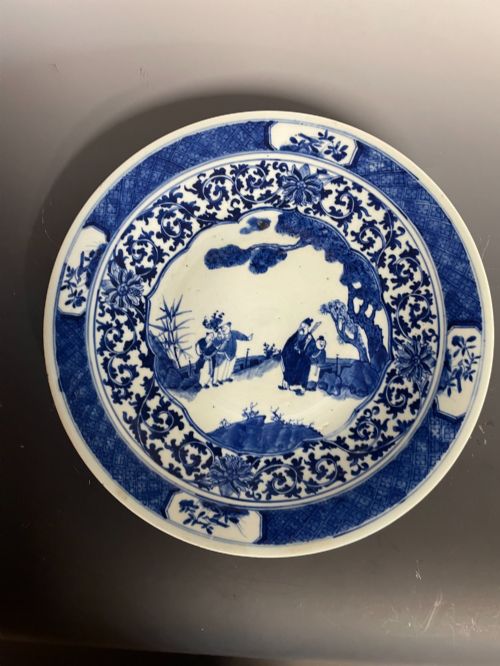
Potters shaped these pieces from ceramic and porcelain bodies, frequently applying cobalt underglaze pigments before the initial firing. Artisans then added detailed hand-painted enamel decoration in multiple colours across the surface.
Many examples incorporate gold leaf or gilding to highlight specific motifs and border patterns. Subsequent low-temperature firings fixed these metallic and enamel additions firmly to the glazed ceramic ground.
Several vintage chargers proudly depict the Seven Lucky Gods sharing space with industrious Japanese cranes.
What varies in quality
Quality rests in the precision of the hand painting and the crispness of the underglaze cobalt lines. Superior examples display intricate brushwork and deliberate composition, particularly on densely patterned Japanese Imari and signed British cabinet plates.
The depth of the glaze and the clean application of gold leaf or gilding distinguish finer studio and factory output from standard production pieces. Heavier porcelain bodies and well-balanced forms also indicate superior manufacturing standards.
Royal Worcester·Royal Crown Derby·Mason·Koshida
The Vintage Porcelain Chargers Glossary
- Imari
- A traditional style of Japanese porcelain featuring distinctive cobalt blue and iron red decoration, often accented with gold. These wares were heavily exported to Europe during the Edo and Meiji periods.
- Cabinet plate
- A decorative ceramic plate intended for display in a cabinet or on a wall rather than for practical table use. Such pieces often showcase fine hand-painted art by named artists.
- Cobalt underglaze
- A blue ceramic pigment applied to the raw clay body before glazing and firing. This technique protects the pigment beneath a glossy glass layer, ensuring longevity.
- Gilding
- The application of gold leaf or gold paint to ceramic surfaces to accent borders and details. This decorative method is common on Victorian and Edwardian display pieces.
- Meiji Period
- A historical era in Japan lasting from eighteen sixty-eight to nineteen twelve, associated with significant export of decorative arts. Pieces from this time frequently display detailed Imari and Kutani patterns.
Vintage Porcelain Chargers: Frequently Asked Questions
How do I hang a heavy charger?
Heavy porcelain chargers require specialised wall fixings that distribute weight evenly across a secure plate hanger. Wire springs should grip the rim firmly without putting undue pressure on the ceramic body.
Ensure the wall plug matches the weight of the charger and mount the fixture directly into solid brick or studwork. Check the tension of the hanger periodically to maintain a secure hold.
What is the difference between a plate and a charger?
Chargers are significantly larger than standard dining plates, traditionally measuring well over thirty centimetres in diameter. Their primary function is visual display rather than holding food.
While ordinary plates serve a functional purpose at the table, chargers act as central decorative accents on walls, sideboards, and cabinets.
Can I use these chargers for serving food?
Most antique and vintage porcelain chargers are unsuited for modern culinary use due to delicate hand-painted enamels and historic surface wear. Acidic foods can damage older glazes and exposed metallic gilding.
Displaying these pieces on walls or stands preserves their decorative surfaces and prevents accidental chipping during washing or handling.
How do I date a Japanese Imari charger?
Dating Imari porcelain involves examining the weight of the porcelain body, the brightness of the cobalt underglaze, and the style of the hand-painted enamel colours. Meiji period pieces often display dense, vibrant palettes and crisp detailing.
Earlier Edo period examples tend to feature heavier potting and deeper cobalt tones, reflecting the traditional techniques of regional Japanese kilns.