




Vintage Porcelain Birds
These vintage porcelain birds capture feathered subjects across the nineteenth and twentieth centuries in painted glaze, earthenware, and gilt detail.
Vintage Porcelain Birds
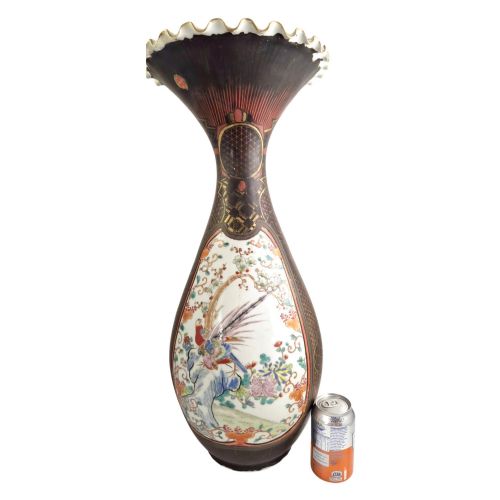
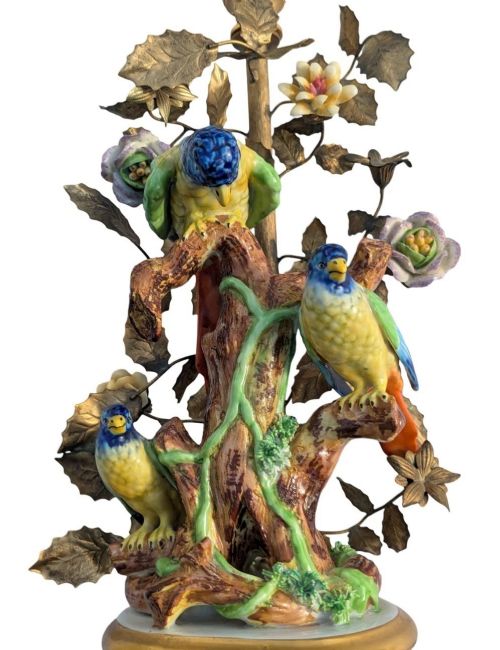
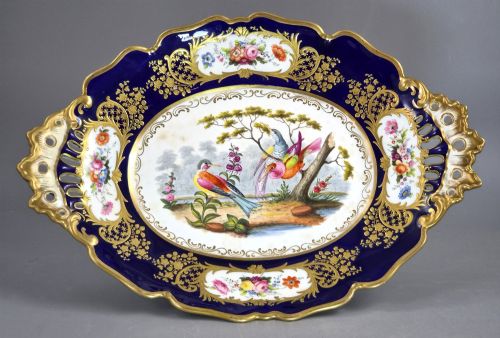
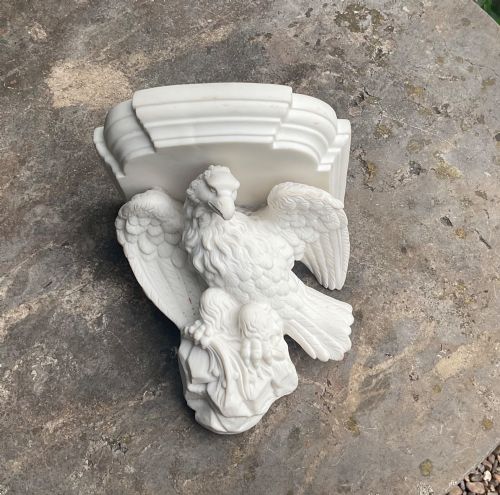
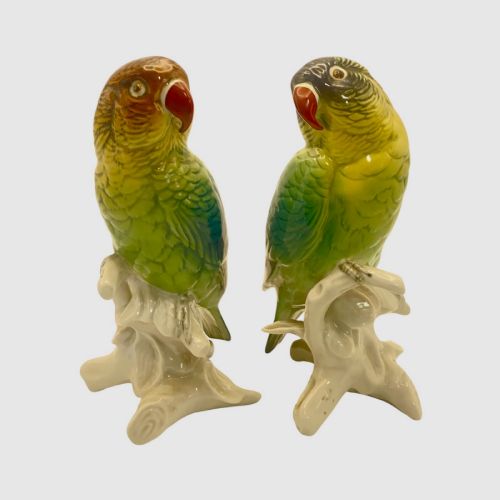
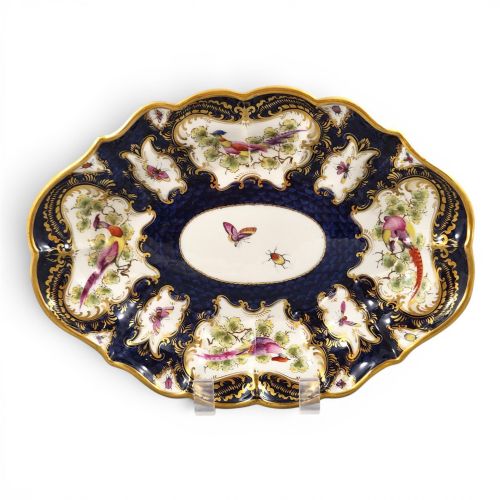
Vintage porcelain birds encompass figures, cabinet plates, and vessels decorated with painted or moulded avians, spanning periods from the Victorian era to the mid-twentieth century. Buyers encounter pairs of parrots, cockatoos, and pheasants alongside plates and dishes carrying hand-painted exotic birds and game birds.
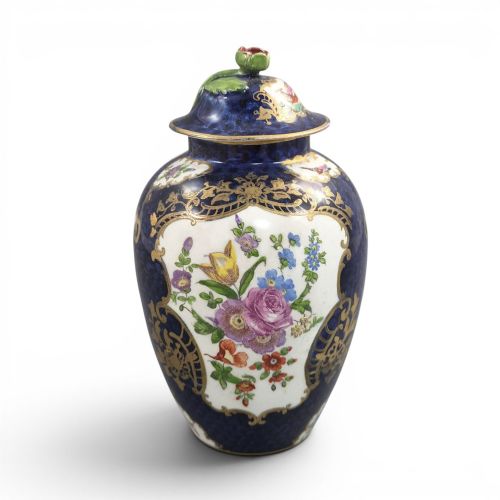
The objects on this page originate from English factories such as Royal Worcester and Coalport, continental European houses including Meissen and Karl Ens, and Asian kilns ranging from Japanese Kutani to Chinese Qing dynasty production. Forms extend from decorative dessert dishes and vases to lamps and wall brackets.
While many pieces focus strictly on sculptural bird figurines, others integrate avian motifs into utilitarian shapes like soup tureens, jugs, and chargers. These diverse forms reflect changing domestic display habits across different decorative movements.
Materials and construction
Makers utilised porcelain, ceramic, and earthenware as foundational bodies, often finishing pieces with intricate glaze layers, enamel paints, and gold leaf gilding. Surface decoration frequently combined cobalt blue grounds with hand-painted polychrome plumage.
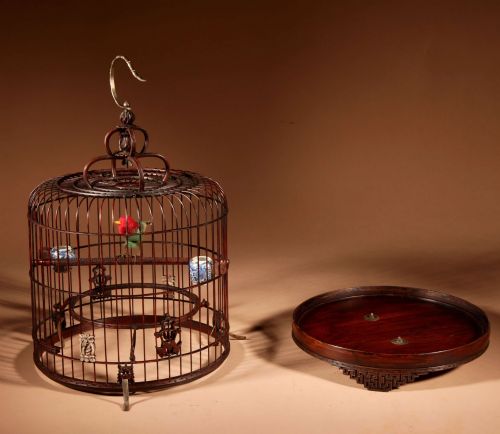
Techniques varied from slip casting and moulding in shallow relief to delicate hand-painting executed by specialist artists on cabinet plates and vases. Certain European and Asian works incorporate metal mounts such as ormolu or lacquer over-paint to complete the object.
Vintage Porcelain Birds Retail Price Guide 2026
Typical asking prices for vintage porcelain birds among the pieces listed under this phrase on Sellingantiques today, from the lower quarter to the upper quarter. They describe what is for sale here now, not the wider market.
Materials span porcelain, enamel, gold leaf, ceramic, earthenware, and wood.
Assessing quality in bird ceramics
Quality rests in the precision of the painting and the crispness of the modelling, distinguishing master-painted plumage from repetitive factory decoration. Hand-painted examples by named artists or major European porcelain manufactories exhibit superior tonal depth in enamel colours.
The physical condition of the glaze, the intactness of delicate extremities such as beaks and tail feathers, and the preservation of original gilding dictate the standing of a piece. Well-preserved marks and uniform firing without warping separate standard production items from finer cabinet pieces.
Karl Ens·Coalport·Royal Worcester·Booths Silicon China·Minton·Grainger And Co·Mason·Le Manceau·Volkstedt Triebner Ens And Eckert·Royal Dux·T J Jones·James Stinton·Falcon Ware·Meissen
The Vintage Porcelain Birds Glossary
- Porcelain
- A hard, white, translucent ceramic fired at high temperatures. It forms the primary medium for fine European and Asian bird figures and plates.
- Gilding
- The application of gold leaf or powdered gold to ceramic surfaces. It highlights rims, handles, and decorative borders.
- Charger
- A large ornamental decorative plate intended for display rather than table service. They frequently feature hand-painted exotic birds or game birds.
- Enamel
- Opaque glass fused to pottery during firing to provide vibrant surface colour. It allows artists to render detailed feather patterns.
Vintage Porcelain Birds: Frequently Asked Questions
How do I identify early bird figurines?
Examination of the base often reveals factory marks, impressed numbers, or painted symbols corresponding to specific nineteenth or twentieth-century periods. The quality of the modelling and hand-painted glaze details offer further clues to the manufacturing date.
Style indicators such as Rococo revival scrolls or Art Deco geometries help narrow the decade of production when factory marks are absent.
Were these bird plates used for dining?
Many cabinet plates and dessert dishes were intended primarily for display within a dining room or drawing room cabinet. Their delicate enamel painting and gilding made them unsuited for heavy everyday use.
Matching sets often remained in storage boxes or cabinets to preserve the hand-painted avian decoration from wear.
How should I clean porcelain bird figures?
Dusting with a soft, dry brush removes surface particles without risking fragile extremities like beaks or tail feathers. Avoid harsh cleaning agents that might damage delicate enamel paints or gold leaf gilding.
Submerging antique ceramic pieces in water should be approached with caution, particularly if they feature old repairs or metal mounts.
What distinguishes European and Asian bird porcelain?
European factories such as Meissen and Royal Worcester typically rendered realistic botanical and ornithological subjects with layered enamels and moulded forms. Asian pieces, including Japanese Kutani and Qing dynasty porcelain, frequently utilised iron red, black, and gold within distinct regional aesthetic traditions.
Glaze textures and potting weights also vary noticeably between Western earthenwares and Eastern porcelains.