





Vintage Porcelain Animals
These vintage porcelain animals bring character to a room, ranging from German dogs to Japanese puppies.
Vintage Porcelain Animals
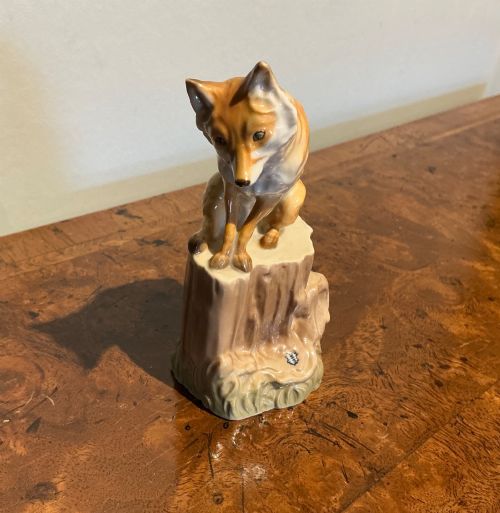
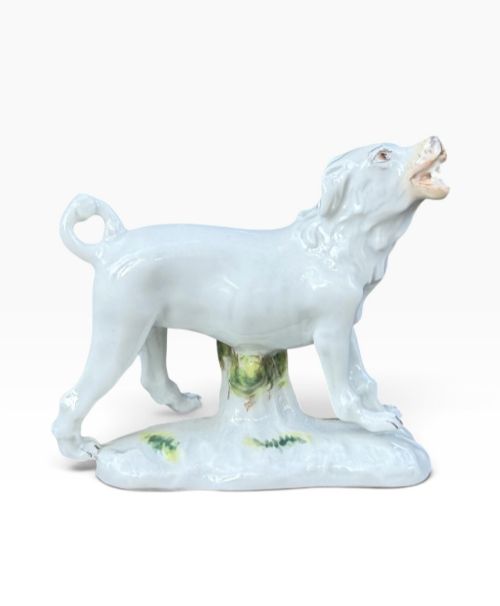
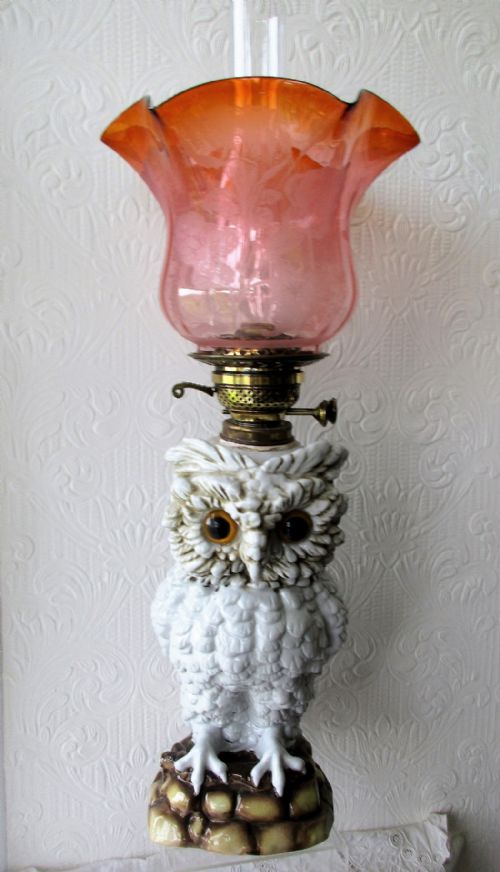
Vintage porcelain animals encompass a diverse array of figures, lamps, and decorative objects created across multiple centuries. When searching for vintage porcelain animals, a buyer encounters subjects spanning domestic dogs, wild cats, birds, and stags.
The pieces listed on this page originate from periods such as the Georgian era, the Victorian period, and the early twentieth century. Common forms include single figurines, seated pairs, and functional oil or table lamps.
Makers and factories represented range from English works like Derby and Royal Worcester to continental European houses such as Meissen, Royal Dux, and Nymphenburg. Asian pieces, including Hirado puppies and Shiwan pottery figures, also appear within this category.
How they were made
Makers utilised fine ceramic materials, primarily porcelain and biscuit porcelain, shaped into distinct animal forms. Many pieces received a smooth glaze finish, while others incorporated delicate background elements such as bocage foliage.
Vintage Porcelain Animals Retail Price Guide 2026
Typical asking prices for vintage porcelain animals among the pieces listed under this phrase on Sellingantiques today, from the lower quarter to the upper quarter. They describe what is for sale here now, not the wider market.
Listings feature porcelain, ceramic, and biscuit porcelain materials combined with glass and brass elements across multiple periods.
What varies in quality
The reputation of the factory and the complexity of the design also influence the standing of a piece within the range. Elaborate compositions, such as animals with botanical bocage or combined with functional lamp bases, require greater technical skill.
Nymphenburg·Meissen·Royal Dux·Derby·Rosenthal·Le Manceau·Ernst Bohne & Sohn·Royal Worcester·Carl Thieme Dresden
The Vintage Porcelain Animals Glossary
- Biscuit porcelain
- Unglazed porcelain fired to a hard, matte finish that resembles fine marble. It allows sculptural details to remain crisp and unmasked by glossy coatings.
- Bocage
- Applied ceramic foliage and branches surrounding a figure, popular in eighteenth-century and nineteenth-century porcelain. This leafy background creates a naturalistic setting for animals.
- Glaze
- A glassy coating fused to the porcelain body during firing to seal the ceramic and provide shine. It protects the colours and adds reflectivity to the surface.
- Figurine
- A small freestanding sculptural model representing a human or animal. These decorative objects are cast or modelled by hand before firing.
- Enamel
- Opaque vitreous material applied to fired porcelain for decoration. It is fixed by a subsequent low-temperature firing to bond the colours.
Vintage Porcelain Animals: Frequently Asked Questions
How do I identify a Meissen porcelain animal?
Meissen pieces often feature detailed modelling of subjects such as dogs and leopards, produced by a historic German factory.
Collectors look to the historical style and execution to help distinguish these works from later reproductions.
What is a porcelain oil lamp?
A porcelain oil lamp combines a decorative animal figure or base with a functional reservoir and burner for lighting.
These Victorian and nineteenth-century domestic items served both practical and decorative purposes in the home.
How do I clean vintage porcelain figures?
Clean vintage porcelain gently using a soft brush or a damp cloth without harsh chemical detergents.
Care must be taken around delicate painted surfaces and applied elements like bocage leaves to avoid damage.
Are Royal Dux animals marked?
Royal Dux figures typically display factory identifiers associated with their Bohemian production period.
These markings help verify the origin of dogs, deer, and other animal subjects made by the firm.