


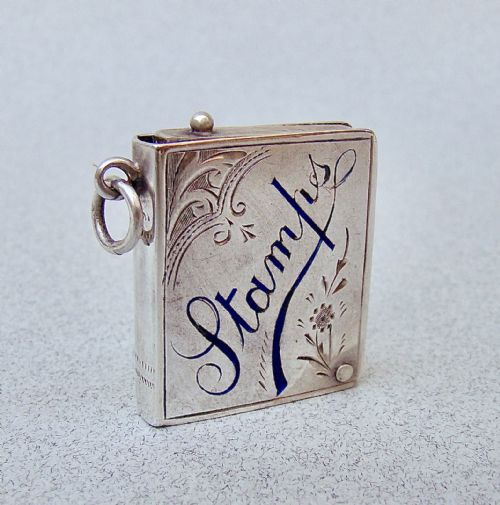


Vintage Pocket Watch Charm
These vintage pocket watch charm items bring together miniature mechanisms, seals and medals from periods spanning the eighteenth century to the mid-twentieth century.
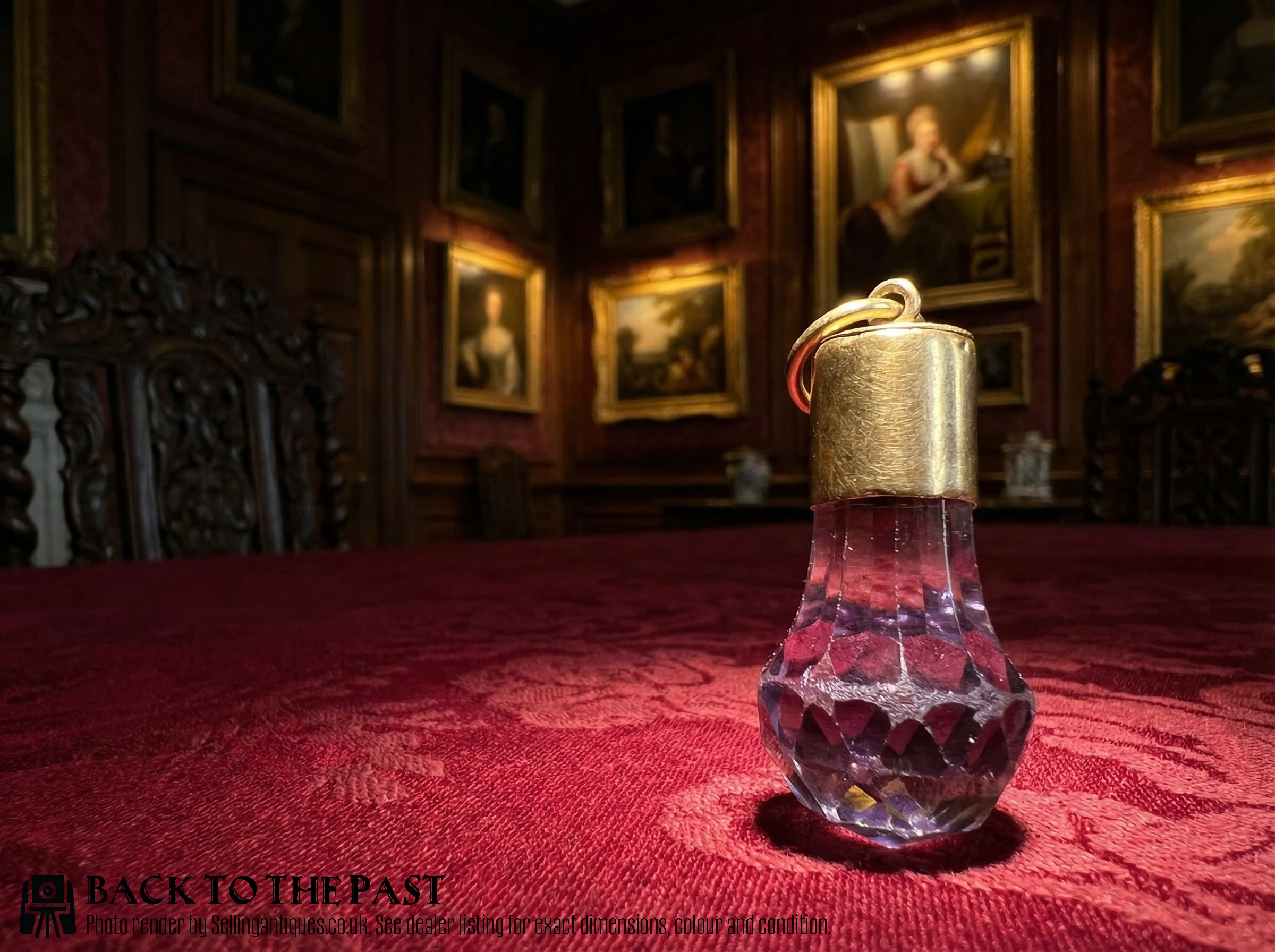
Vintage Pocket Watch Charm
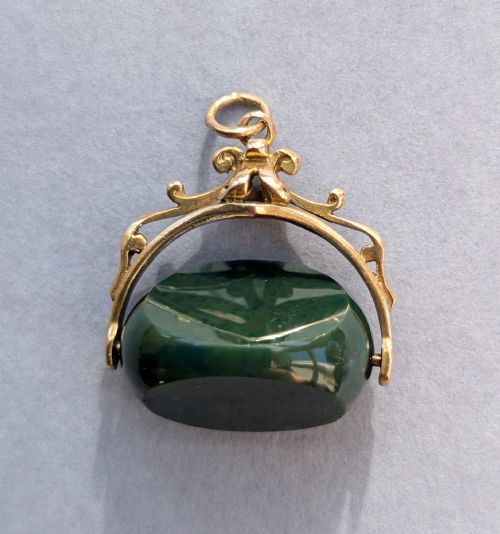
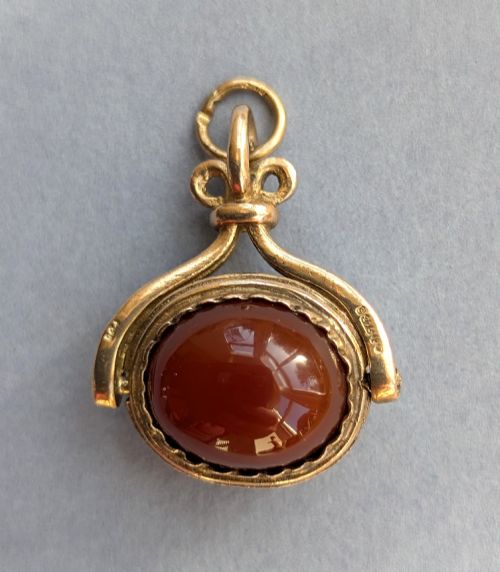
When you search for a vintage pocket watch charm, you are looking at small objects originally designed to hang from watch chains, including fobs, seals, compass pendants, stamp cases and gold medals. These pieces range from Georgian and Victorian examples through Edwardian designs up to Art Deco sports medals and mid-century novelties.
The versions you are most likely to meet on this page include nine-carat yellow and rose gold fobs, silver book stamp cases and enameled sports medals. Many double as charms or pendants, reflecting how watch chains carried functional items that also served as personal ornaments.
How they were made
The listings record construction in silver, sterling silver, steel and various purities of gold including nine-carat, ten-carat, fifteen-carat and eighteen-carat yellow and rose gold. These metals are shaped into dog clips, spinning fobs, book cases and medals.
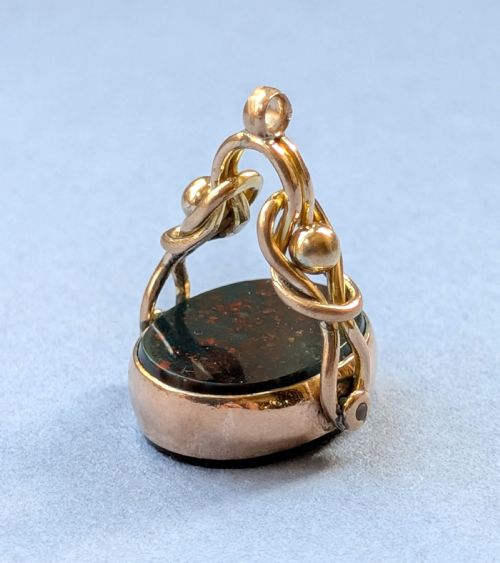
Specialist materials such as bloodstone, amethyst and enamel are incorporated into the designs. Steel and gold are utilised for items like watch hooks, keys and seals, combining mechanical function with decorative detail.
Vintage Pocket Watch Charm Retail Price Guide 2026
Typical asking prices for vintage pocket watch charm among the pieces listed under this phrase on Sellingantiques today, from the lower quarter to the upper quarter. They describe what is for sale here now, not the wider market.
Listings feature items from the eighteenth century, Victorian, Edwardian, George V and Art Deco periods in gold, silver, enamel and bloodstone.
What varies in quality
Quality separates mass-produced items from pieces with distinct maker marks, such as Birmingham silver hallmarks, and superior metal purities like fifteen-carat or eighteen-carat gold. The presence of specialised stones like bloodstone and amethyst elevates an item above standard metal stampings.
The complexity of the work dictates the grade, distinguishing simple geometric fobs from intricate enameled novelty items like dartboards or spinning seals with functional mechanisms. Finer execution in the engraving and enamel work marks out the superior examples.
Crisford & Norris
The Vintage Pocket Watch Charm Glossary
- Fob
- A small ornament attached to a pocket watch ribbon or chain. These often incorporate hardstones, seals or rotating panels.
- Seal
- A small stone or metal matrix engraved with initials or a crest. It was traditionally used to press into hot wax for sealing letters.
- Stamp case
- A small container designed to hold postage stamps. These frequently take the form of miniature books made from silver.
- Watch key
- A small key used to wind pocket watches before keyless stem-wind movements became standard. They often double as decorative charms.
Vintage Pocket Watch Charm: Frequently Asked Questions
What is a pocket watch charm?
A pocket watch charm is a small decorative item suspended from a watch chain. These pieces include fobs, seals, medals and miniature cases.
They allowed the wearer to display personal interests, achievements or utility items like stamps and compasses.
How were these charms used?
These items were worn attached to watch chains that spanned a waistcoat or pocket. They served both decorative and practical purposes.
Some functioned as wax seals or watch keys, while others commemorated sporting victories or served as miniature containers.
What materials are common?
The listings show a range of precious metals including sterling silver and gold of various purities. Rose gold and yellow gold are particularly frequent.
In addition to metals, pieces incorporate enamel work, steel elements and semi-precious stones such as bloodstone and amethyst.
How do I date a piece?
Dating relies on stylistic markers associated with periods like the Edwardian era, Art Deco or the Georgian period. Hallmarks and date letters stamped on silver and gold provide precise verification.
Makers' marks and specific design motifs, such as sports medals from the nineteen-twenties, further narrow the timeframe.