
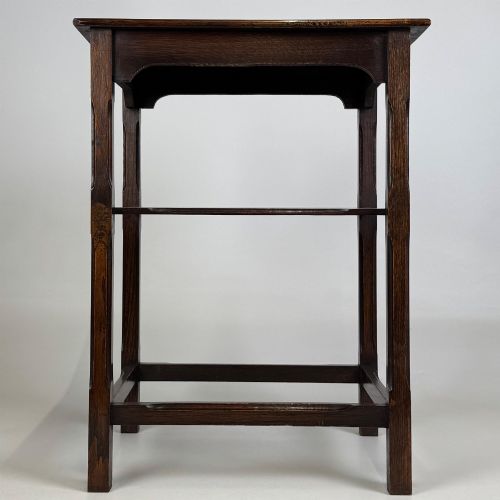
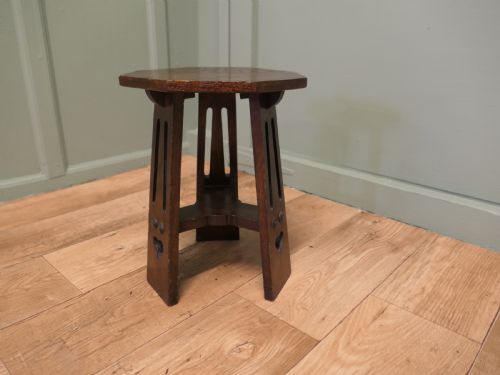
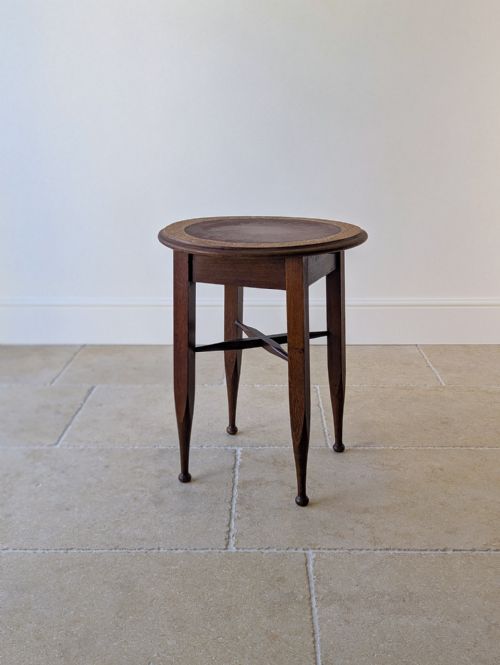

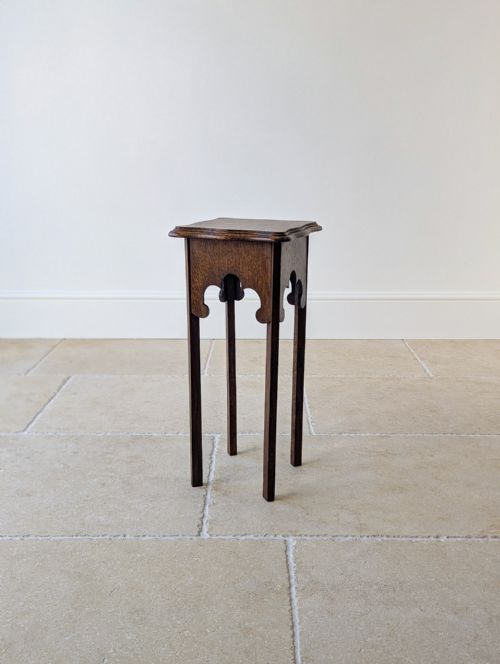
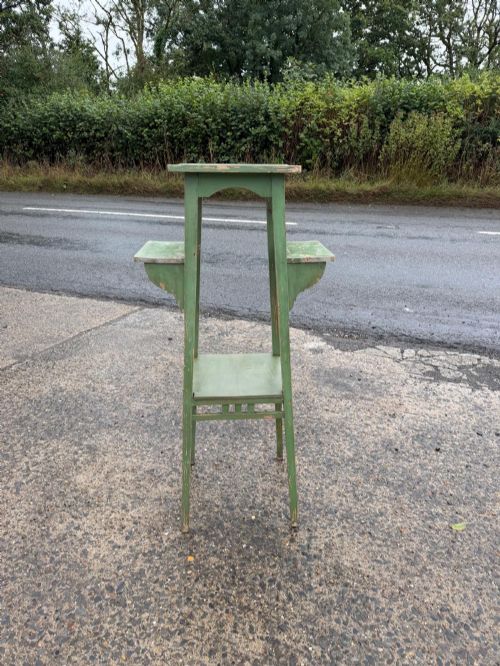
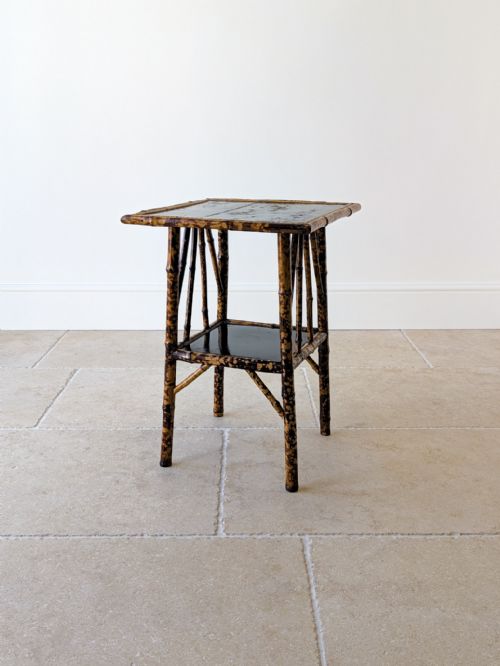
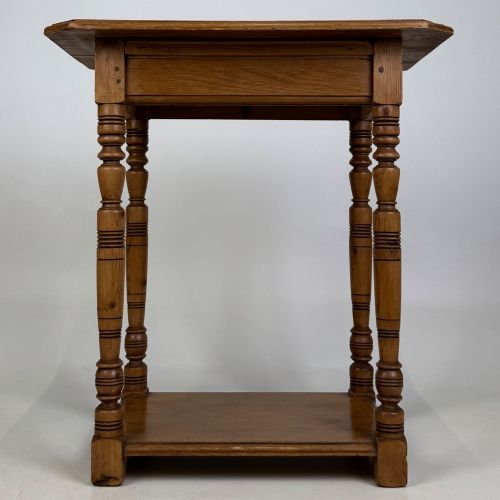
Vintage Plant Stand Table
These vintage plant stand table designs combine functional display surfaces with compact footprints, bringing period character to empty corners and living spaces.
Vintage Plant Stand Table
A vintage plant stand table serves primarily as an elevated surface for greenery, jardinières, or decorative objects within a room. When exploring this selection, buyers frequently encounter Edwardian and Victorian designs constructed for domestic display.
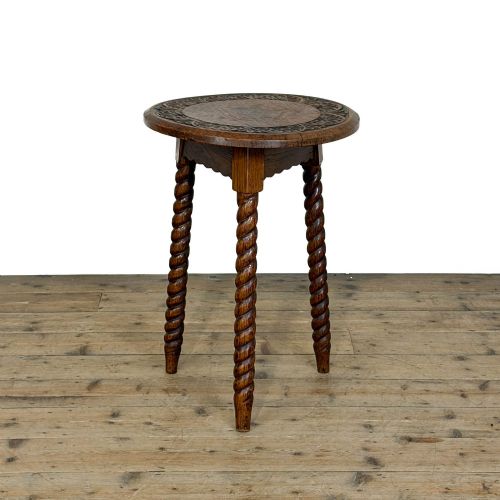
The physical forms span traditional plant stands, side tables, occasional tables, and wine tables. Many pieces bridge multiple categories, functioning equally well as small lamp tables or dedicated stands for potted plants.
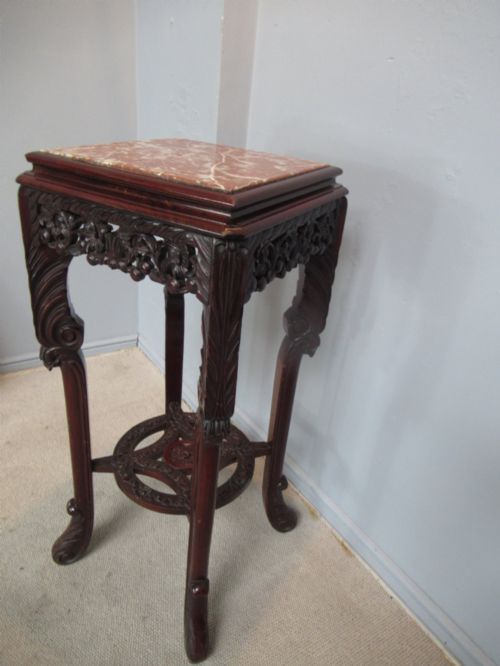
Origins stretch from the late nineteenth century through the Art Deco era, encompassing British oak and mahogany pieces alongside continental and oriental imports. Oak and mahogany appear most frequently across these listings.
Materials and construction methods
Cabinet makers utilised solid timbers such as oak, mahogany, walnut, and satinwood, often combining structural frames with turned or carved supports. Selected examples incorporate bamboo, rustic wood, or exotic hardwoods.
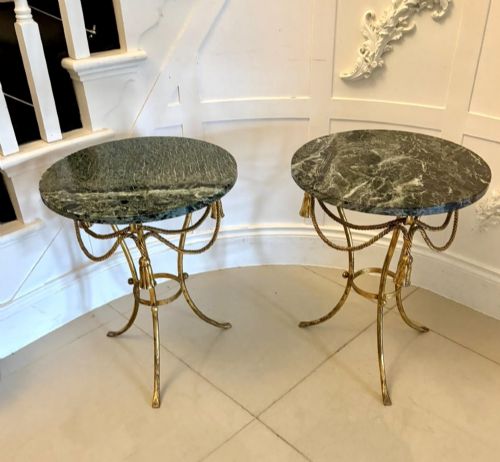
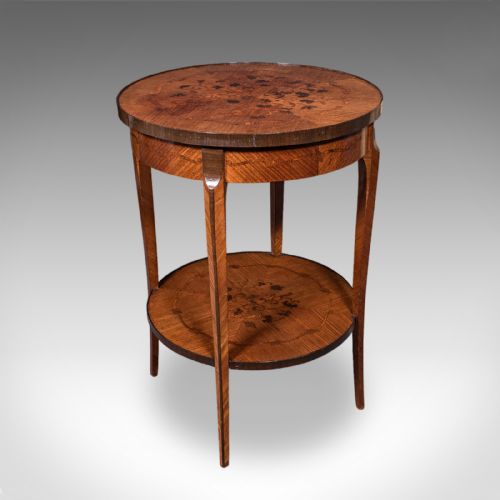
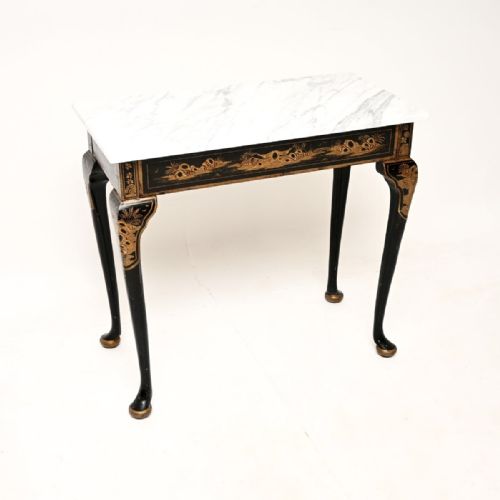
Surface treatments and decorative details include marble tops, mother of pearl inlay, gilding, chip carving, and original paint finishes. Brass components appear on mounts and fittings, while specialised techniques like lacquer and Chinoiserie enrich select pieces.
Current listings span periods from the Victorian era and 19th century through Edwardian times and the 1930s Art Deco period.
Distinguishing quality across periods
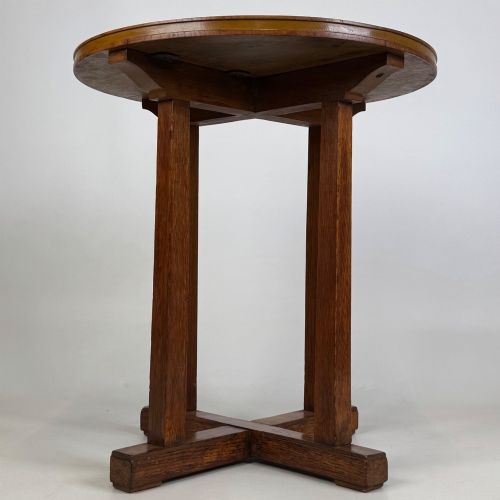
Superior execution relies upon the selection of timber and the precision of joinery, whether in simple tripod bases or multi-tiered shelving units. Hand-carved elements, such as those found on Arts and Crafts or Cotswold School pieces, display distinct artisan skill.
The integrity of decorative surfaces, from inlaid satinwood to lacquered Chinoiserie and fitted marble tops, determines the refinement of the piece. Proportion and structural stability under load separate standard utility items from finer workshop productions.
The Vintage Plant Stand Table Glossary
- Jardiniere stand
- A tall pedestal or table designed specifically to hold a large plant pot or flower container. These stands often feature raised rims or waterproof liners to protect the wood.
- Tripod table
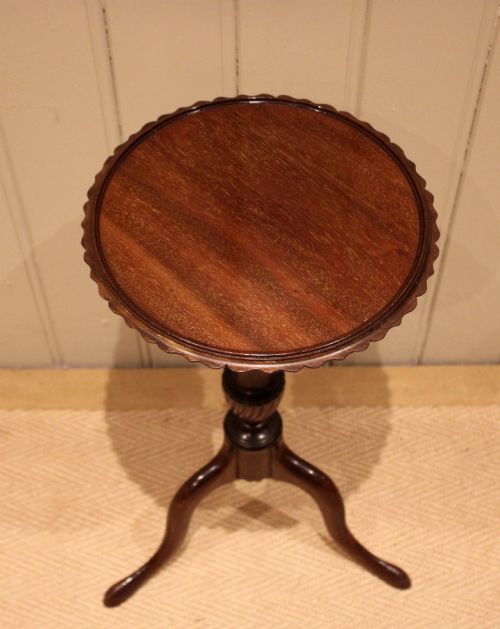
- A small table supported by a pillar above three spreading feet. This construction provides stability on uneven floor surfaces.
- Etagere
- A piece of furniture consisting of a set of open shelves for displaying small objects. They appear in multi-tiered side table and stand configurations.
- Chinoiserie
- European decorative art imitating Chinese artistic styles, typically utilising lacquer and raised gilt motifs. This technique frequently appears on Victorian table tops.
- Occasional table
- A small table intended for light, intermittent use around a living space. Examples range from simple wine tables to bamboo stands.
Vintage Plant Stand Table: Frequently Asked Questions
What is a vintage plant stand table used for?
These pieces provide an elevated platform for holding potted plants, jardinières, lamps, or decorative ornaments in domestic interiors.
Their compact dimensions allow them to occupy awkward corners or small spaces where standard furniture fails to fit.
How do I identify an Edwardian plant stand?
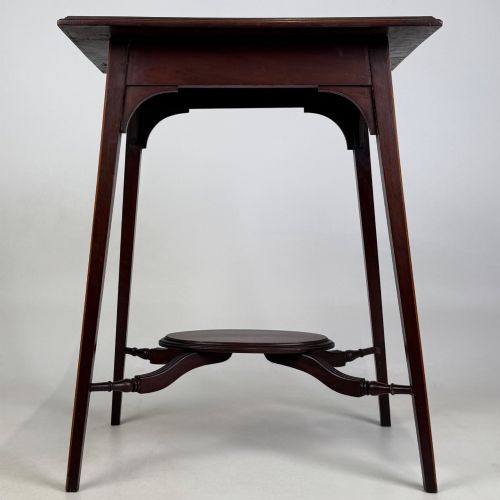
Edwardian examples typically date from the early twentieth century and frequently employ light mahogany, satinwood, or oak.
They often display simple turned supports, subtle inlay work, or characteristic Arts and Crafts influence rather than heavy Victorian carving.
Can these tables hold heavy ceramic pots?
Solid timber construction and sturdy tripod or four-legged bases provide adequate strength for standard indoor potted plants.
Tables featuring marble tops offer particularly robust surfaces that resist moisture and weight from heavy ceramic containers.
How do I style a multi-tiered stand?
Multi-tiered pieces and etageres allow for tiered displays of trailing plants, books, or small decorative collections across different heights.
Placing heavier items on the lower shelves maintains visual balance and physical stability for the entire stand.