


Inlaid Wood Display Table
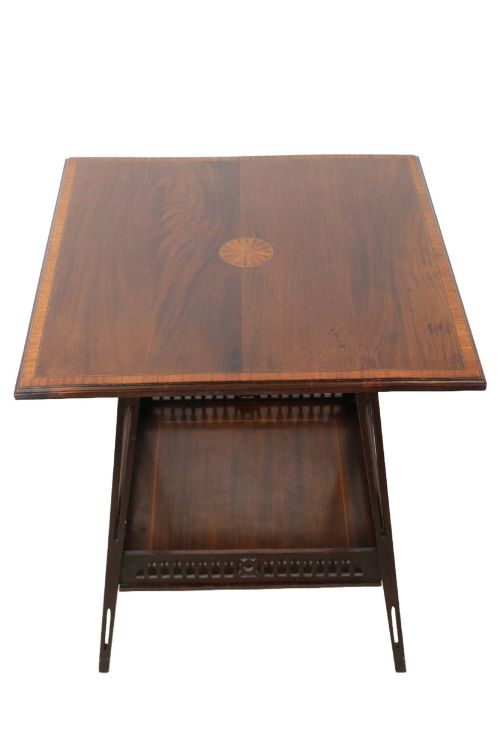
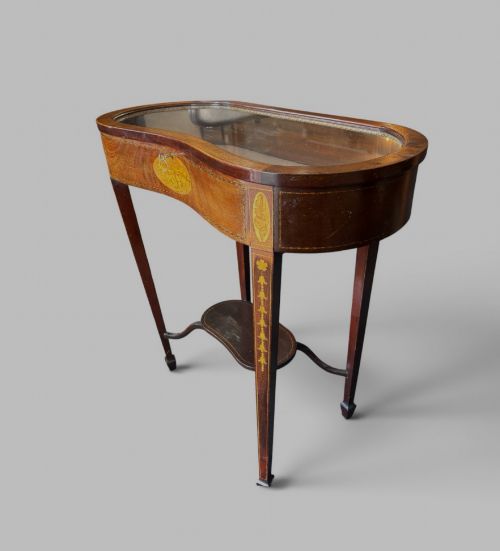
An inlaid wood display table brings together fine cabinetmaking and glass-topped storage, designed to showcase small treasures in a drawing room.
Inlaid Wood Display Table
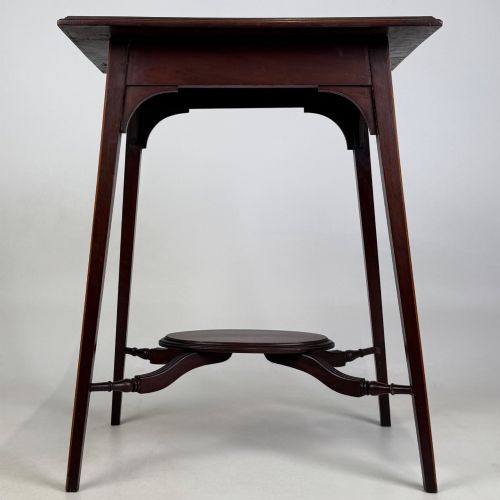
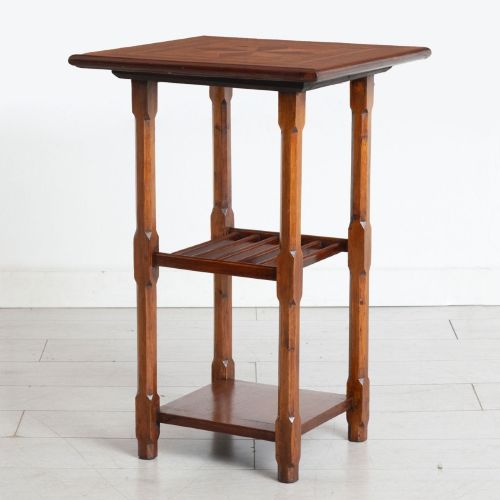
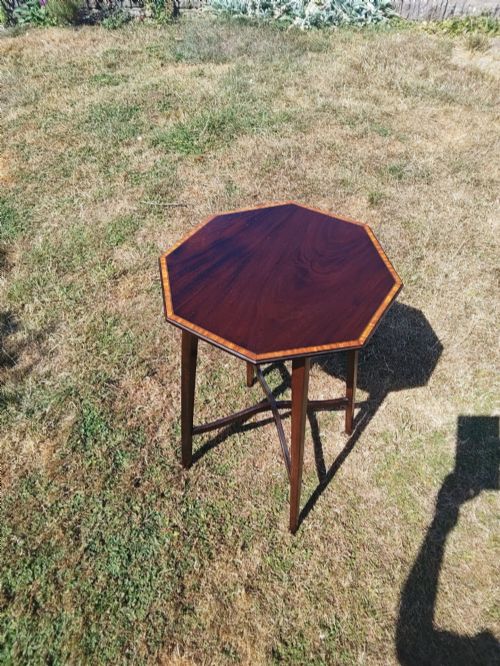
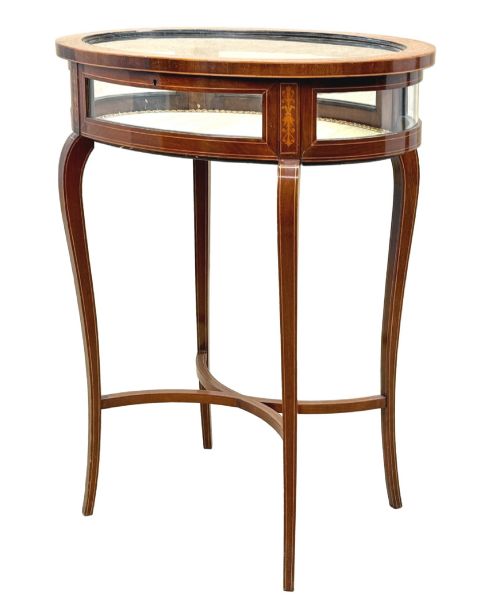
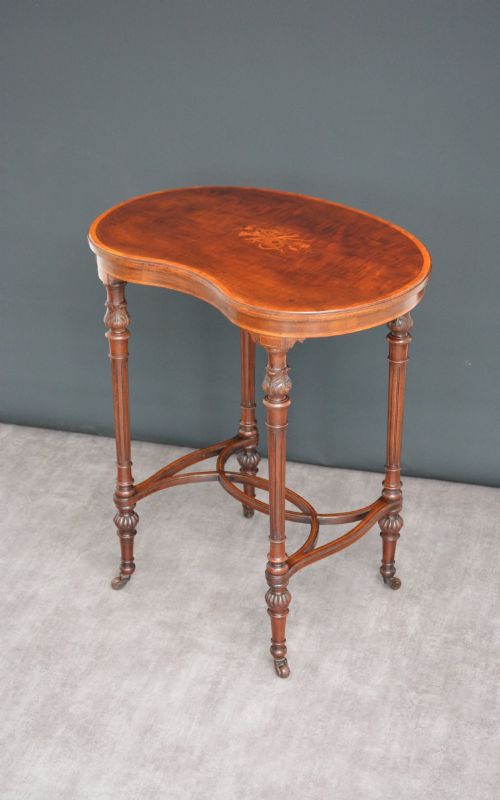
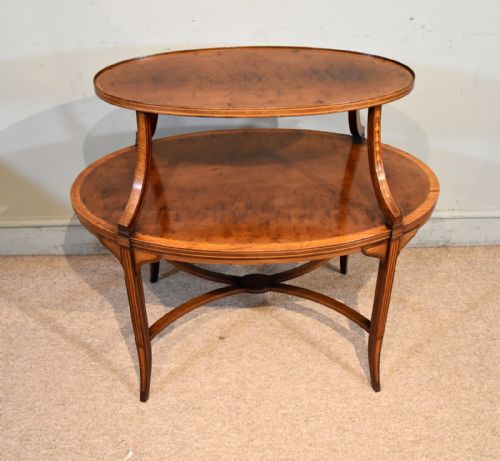
An inlaid wood display table is typically encountered in Edwardian and nineteenth-century forms, spanning varieties such as bijouterie tables, etageres, and occasional tables. These pieces combine timber structures with glazed compartments or tiered surfaces intended for presenting ornaments and curiosities.
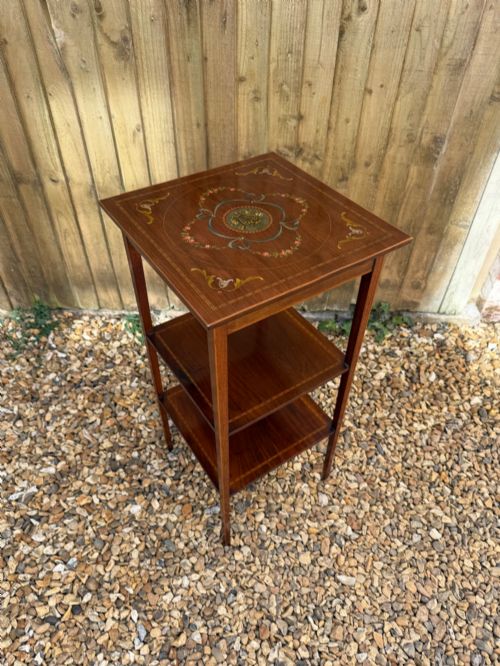
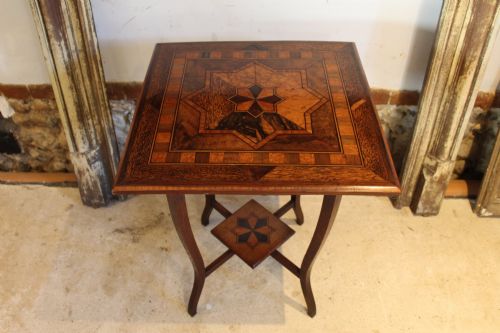
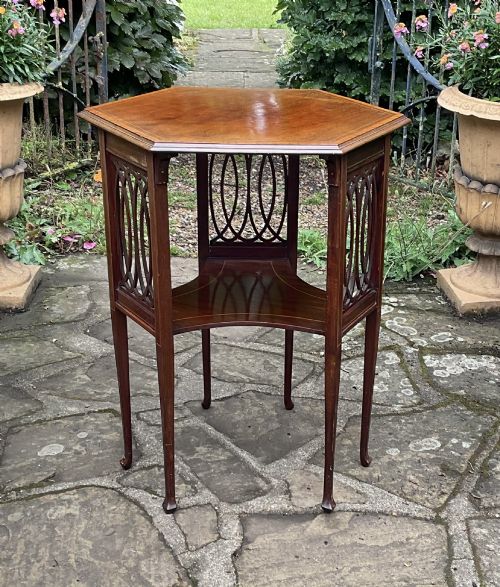
The materials recorded in these pieces rely heavily on mahogany, satinwood, and rosewood, frequently accented with boxwood inlay and marquetry. Forms range from kidney-shaped and oval silhouettes to octagonal and rectangular designs.
Makers and designers of the period drew upon Sheraton Revival, French Rococo, and Neo-Classical idioms to shape these display pieces. They serve both as functional furniture and as decorative showcases within domestic interiors.
How they were made
The construction of an inlaid wood display table relies upon solid hardwoods like mahogany and rosewood, often paired with lighter contrasting timbers such as satinwood and boxwood for decorative banding. Cabinetmakers utilised precise marquetry techniques to form floral and geometric patterns across the timber surfaces.
Glass panels are integrated into hinged or fitted tops to create vitrine spaces for viewing contents from above, sometimes supported by brass mounts or ormolu details. Tiered etageres and side tables combine turned or tapered legs with multi-level shelving secured through traditional joinery.
Several tables appear designed specifically to hold drinks or specimen woods alongside their primary display duties.
What varies in quality
The distinction between standard domestic examples and pieces of exhibition quality lies in the crispness of the marquetry and the choice of secondary timbers. Finer specimens display detailed contrasting wood inlays with precise registration, whereas simpler versions rely on painted decoration or minimal banding.
Hardware and secondary materials also indicate grade, with cast brass mounts, fitted silk-lined interior trays, and well-figured mahogany or satinwood marking out superior workshop output.
Trevor Page & Co·Edwards & Roberts
The Inlaid Wood Display Table Glossary
- Bijouterie table
- A glass-topped display table specifically constructed to hold and exhibit small valuable items, jewellery, or curiosities.
- Marquetry
- Decorative veneer work forming pictorial or geometric patterns using various tinted woods applied to a furniture carcase.
- Etagere
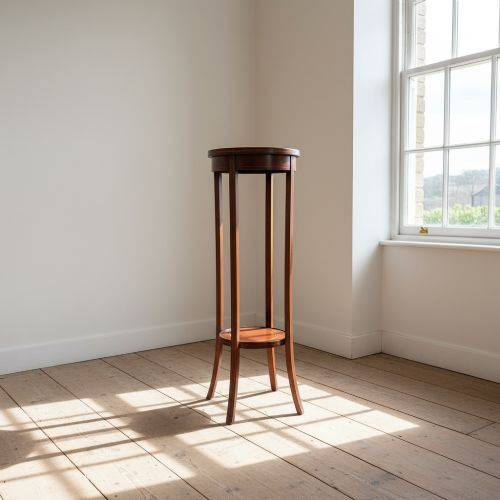
- A piece of furniture consisting of open shelves for displaying small objects or ornaments, often designed with multiple tiers.
- Satinwood
- A durable, hard timber with a natural golden lustre, frequently utilised for contrasting inlays and polished veneered surfaces.
- Ormolu
- Gilded bronze mounts and decorative details applied to furniture, characteristic of French-influenced nineteenth-century cabinetwork.
Inlaid Wood Display Table: Frequently Asked Questions
What is a bijouterie table?
A bijouterie table is a specialised display piece featuring a glazed top and a shallow compartment beneath for viewing small collections.
These tables were placed in reception rooms so that hosts could exhibit medals, seals, and small ornaments to guests.
How do I use an etagere?
An etagere provides open tiered shelving suitable for holding books, small lamps, and decorative ceramics.
They function well in corners or beside seating where vertical display space is needed without blocking light.
What woods were used for inlay?
Cabinetmakers employed contrasting timbers such as boxwood and satinwood to create detailed banding and marquetry panels.
These lighter woods stand out sharply against darker carcase timbers like mahogany and rosewood.
How do I date these tables?
Dating relies on stylistic clues like Edwardian Sheraton Revival motifs or Victorian proportions, alongside construction techniques.
Tables from the nineteenth century often show heavier timbers, whilst Edwardian examples favour lighter satinwood and delicate tapering legs.